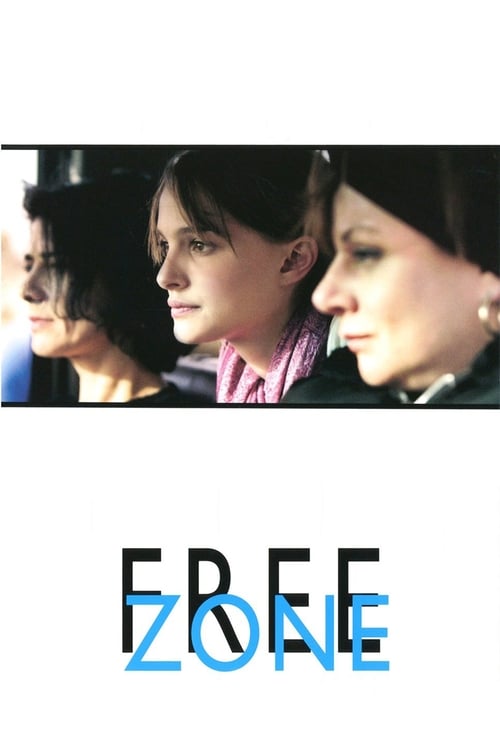
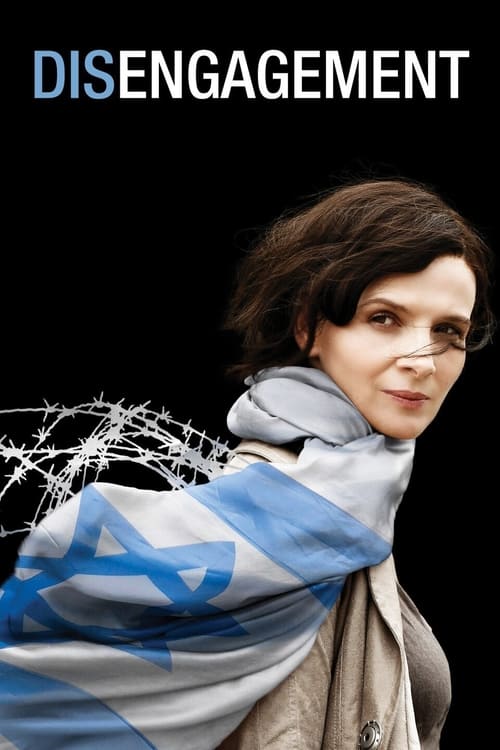
Free Zone
2005
No user ratings available yet
Representation score: 7.8 out of 10
Representation Score
Good
2007
UnratedDirector
Amos Gitai
Runtime
115 minutes
Average Rating
No ratings yetNew Showbiz Analysis
Amos Gitai’s drama is a postmodern meditation on geopolitical friction rather than a study in demographic variety. It prioritizes a deconstructed structure to examine how state-mandated movements erode individual psychology. The film finds its strength in its intellectual critique of power. By challenging the concept of a singular, state-sanctioned truth, it offers a sophisticated look at institutional decay and the breakdown of centralized control. However, the work lacks explicit representation of specific identities. While it explores the psychological toll of isolation, it often treats mental health as a byproduct of politics rather than a character-driven focus.
Category Breakdown
The film does not prominently feature or develop characters with non-cisgender identities. It does not use LGBTQ+ identities to drive the plot or challenge the assumption that everyone is straight.
Female characters navigate a high-stakes landscape of political and penal conflict, providing a nuanced look at their ability to drive the story outside of domestic roles. The film challenges traditional hierarchies by prioritizing survival over domestic duties.
The narrative reflects the complex demographic realities of the Gaza Strip pullout. It engages with post-colonial themes and the movement of populations without relying on whitewashing clichés.
The film excels in critiquing Western-aligned state institutions and moral authority. It embraces moral relativism, presenting both the incarcerated and the incarcerators through a lens of shared systemic harm.
Characters experience profound alienation and psychological distress. However, these depictions function more as symptoms of a systemic environment than as independent explorations of neurodivergence or mental health.
Present on Screen
Limited or Absent
Official Synopsis
A political drama centered around Israel's pullout from the occupied Gaza strip, in which a French woman of Israeli origin comes to the Gaza Strip to find her long ago abandoned daughter.
2005

2008

2012

2014
2007

2011
2018
2012
No reviews yet. Be the first to share your thoughts on this movie!
Use the rating form above to leave a star rating and optional review.