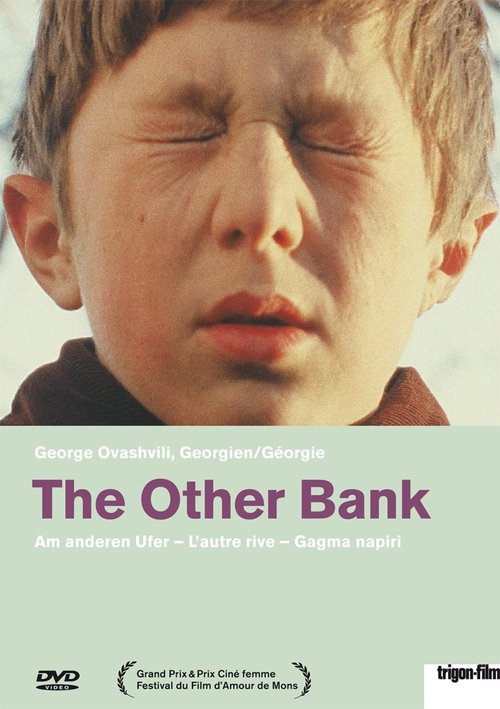
The Other Bank
2009
No user ratings available yet
Diversity score: 3.7 out of 10
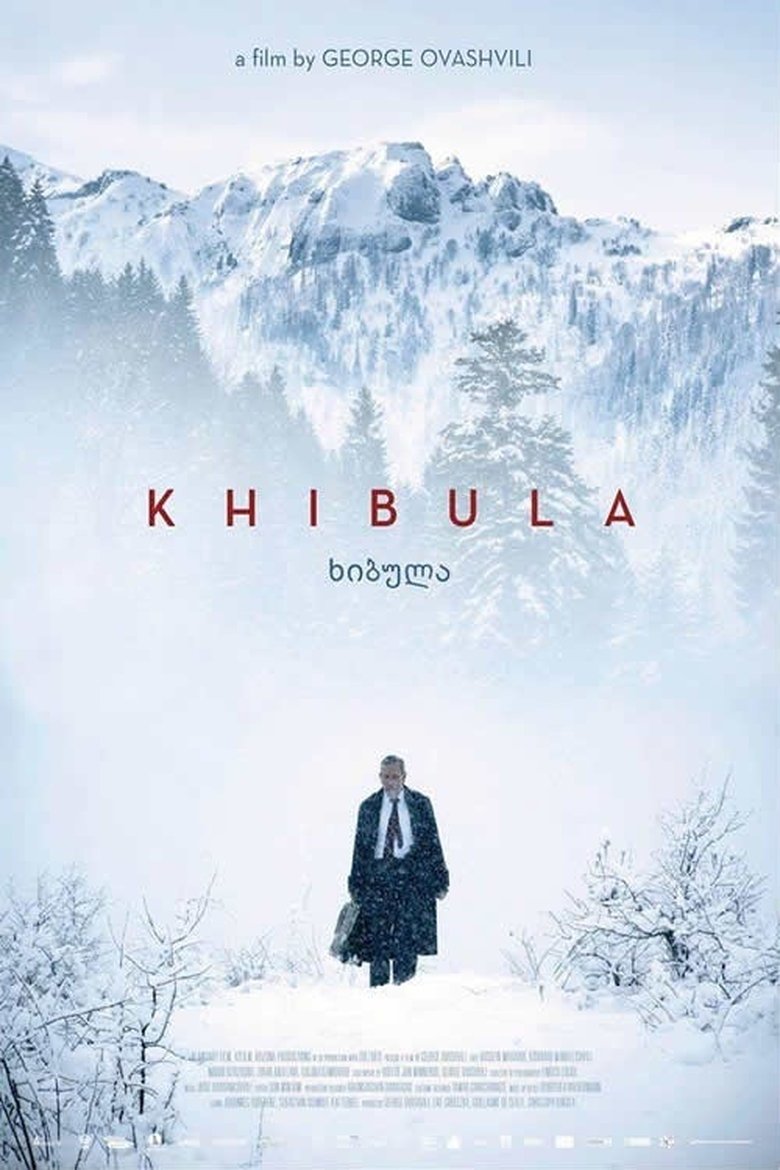
2017
Director
Giorgi Ovashvili
Runtime
97 minutes
Average Rating
No ratings yetSynopsis
The screenplay for Khibula was inspired by the real events taking place in Georgia briefly after the country regained its independence in 1991. Zviad Gamsakhurdia, the first president of Georgia, elected by the majority of votes, was driven into exile by coup d'etat. Even though he returned to regain power soon after, political clashes once again forced him to flee into the mountains. Based on the final chapter of the first President's life, the film starts off by following his journey accompanied and pursued by both friend and foe.
Overall Score
Fair
Category Breakdown
LGBTQ+ Representation
The film lacks explicit evidence of LGBTQ+ characters or non-heteronormative identities. The narrative focus remains strictly on political upheaval and the journey of a displaced leader.
Gender Representation
The story centers on masculine-coded spheres of conflict and leadership during a political coup. There is no immediate evidence of female roles or the subversion of traditional gender hierarchies.
Racial & Ethnic Diversity
The film is deeply rooted in Georgian national identity. While the cast appears ethnically homogeneous, it offers a necessary departure from Anglo-centric historical narratives by focusing on post-Soviet struggles.
Religious & Cultural Diversity
The narrative critiques the stability of centralized power and nationalistic institutions. It deconstructs the heroic leader trope by framing political survival as a product of systemic chaos.
Disability Representation
There is no information regarding characters with physical, sensory, or neurodivergent disabilities within the provided material.
Strengths
Areas for Improvement
AI Analysis
Khibula is a specialized historical drama that prioritizes localized political critique over broad demographic representation. It succeeds in providing a non-Western perspective on statehood and sovereignty, offering a vital look at Georgian independence. However, the film lacks intersectional breadth. The narrative architecture leans heavily toward male-dominated power struggles and lacks visible LGBTQ+ or disability representation, resulting in a narrow demographic focus. Ultimately, the work functions as a study of national identity and systemic instability rather than a diverse tapestry of human experiences.
2009
2017
1990
2014
1992
1977

2016
2006
2016
2013
2021
2018
No reviews yet. Be the first to share your thoughts on this movie!
Use the rating form above to leave a star rating and optional review.