
DAU. Brave People
2020
No user ratings available yet
Representation score: 6.4 out of 10
Representation Score
Good
2021
Director
Jekaterina Oertel, Ilya Khrzhanovsky
Runtime
138 minutes
Average Rating
No ratings yetNew Showbiz Analysis
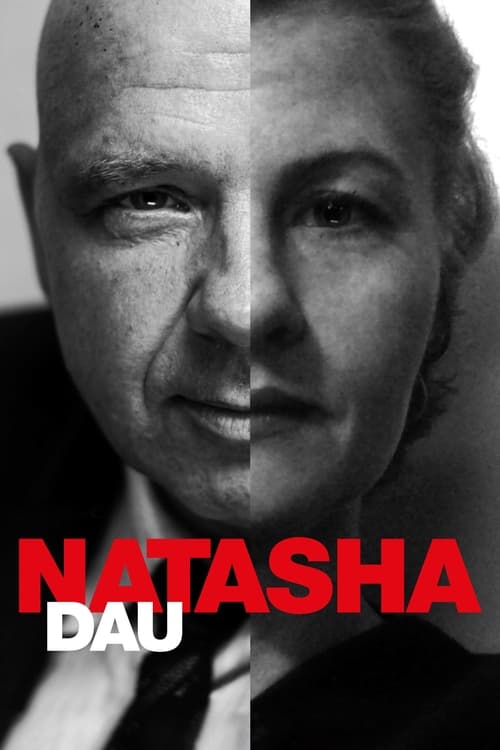
In DAU, Natasha embodies a complex examination of systemic power, focusing on psychological and institutional critique rather than traditional demographic representation. The film shines in its subversion of conventional social structures and its emphasis on female autonomy within a restrictive environment. However, the commitment to historical and simulated realism restricts its racial diversity, reflecting the specific ethnic composition of mid-century Soviet society. The work primarily functions as a critique of authority, using moral relativism to challenge the idea of absolute truth and the oppressive nature of centralized systems.
Category Breakdown
The film delves into the close relationship between Natasha and Olga, suggesting a deep emotional bond. However, the movie does not explicitly confirm their queer identities.
Natasha is a key character who navigates a suffocating, male-dominated system. Her fight for personal freedom against state-imposed control highlights the tension between individual desires and systemic oppression.
The film's setting emphasizes a historically uniform demographic typical of mid-century Soviet society. The inclusion of a French scientist adds international flavor but does not diversify the ethnic makeup.
The narrative critically examines totalizing institutional models and state authority. Using a hyper-real setting, it deconstructs historical truths and questions the stability of traditional social orders.
There is no significant depiction of visible or invisible disabilities in the film.
Present on Screen
Limited or Absent
Official Synopsis
Natasha runs the canteen at a secret 1950s Soviet research institute. This is the beating heart of the DAU universe, everyone drops in here: the institute's employees, scientists and visiting foreign guests. Natasha's world is a small one, split between the demands of the canteen during the day and alcohol fuelled nights with her younger colleague Olga, during which the two confide their hopes of romance and for a different future. At a party one evening Natasha becomes close to a visiting French scientist Luc Bige and the two sleep together. The following day her life takes a dramatic turn when she is summoned to an interrogation by the KGB's General Vladimir Azhippo who questions the nature of her relationship with the foreign guest.
2020

1994
2020

1964
2020

2018

2020

2021
No reviews yet. Be the first to share your thoughts on this movie!
Use the rating form above to leave a star rating and optional review.