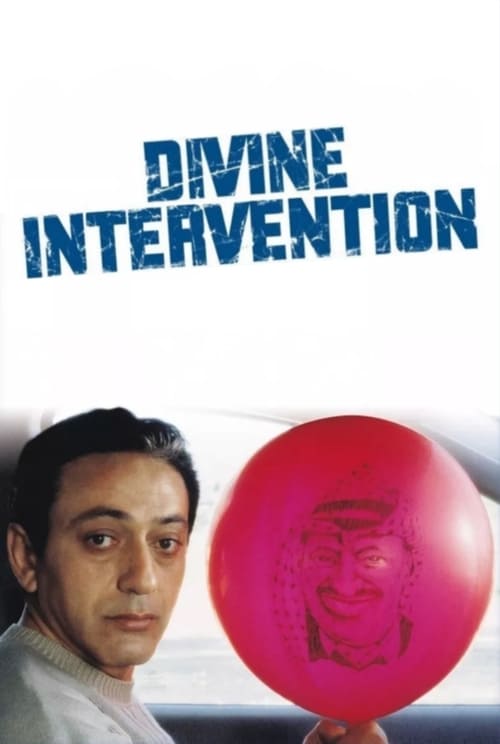
Divine Intervention
2002
No user ratings available yet
Representation score: 9.3 out of 10
Representation Score
Excellent
1996
Director
Elia Suleiman
Runtime
88 minutes
Average Rating
No ratings yetNew Showbiz Analysis
Elia Suleiman’s work stands out by focusing on the Palestinian experience through a surrealist lens, challenging colonial narratives. The film highlights the internal, mundane, and absurd realities of life under occupation, moving away from the Western perspective. While the film excels in racial and cultural representation, it lacks specific LGBTQ+ and disability-focused narratives. Its strength lies in using non-linear scenes to deconstruct power dynamics, offering a nuanced view of how systemic oppression shapes the cultural and gendered landscape of the region.
Category Breakdown
The film does not include explicit LGBTQ+ characters or stories focused on non-straight identities. While surrealism breaks down social norms, there is no specific queer-coded message or presence of LGBTQ+ individuals driving the plot.
Women are shown within specific socioeconomic and spatial contexts, such as a Palestinian actress in West Jerusalem. These characters highlight the intersection of gender and occupation, offering a glimpse into women's roles and ability to act.
The film centers on the Palestinian experience, giving prominent roles to characters of color. By exploring both mundane and surreal realities, it challenges the traditional Western perspective.
The film serves as a post-colonial critique, depicting state authorities through an absurd lens. It emphasizes the lived experience of the occupied rather than traditional religious or patriotic triumphalism.
The film does not focus significantly on visible or invisible disabilities. Psychological fragmentation is portrayed as a result of systemic oppression rather than individual disability stories.
Present on Screen
Limited or Absent
Official Synopsis
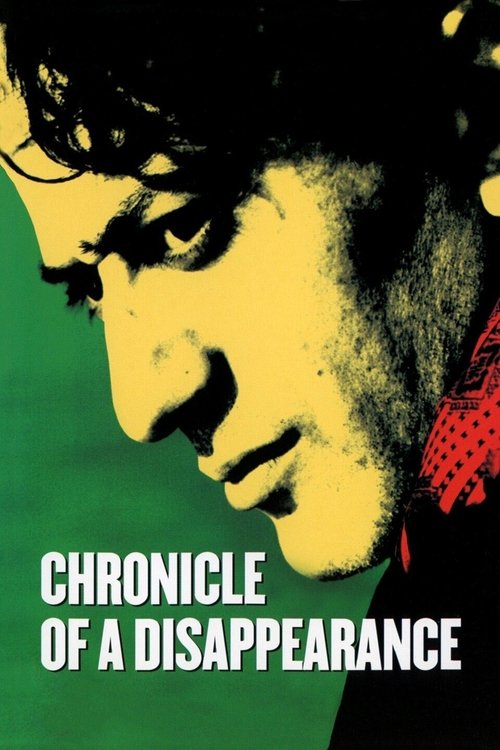
Chronicle of a Disappearance unfolds in a series of seemingly unconnected cinematic tableaux, each of them focused on incidents or characters which seldom reappear later in the film. Among the many unrelated scenes, there is a Palestinian actress struggling to find an apartment in West Jerusalem, the owner of the Holy Land souvenir shop preparing merchandise for incoming Japanese tourists, a group of old women gossiping about their relatives, and an Israeli police van which screeches to a halt so several heavily armed soldiers can get off the car and urinate.
2002

1995
2010

2002
2018

2003
2009
2020
No reviews yet. Be the first to share your thoughts on this movie!
Use the rating form above to leave a star rating and optional review.