El misterioso señor Marquina
1942
No user ratings available yet
Representation score: 2.4 out of 10
Representation Score
Limited
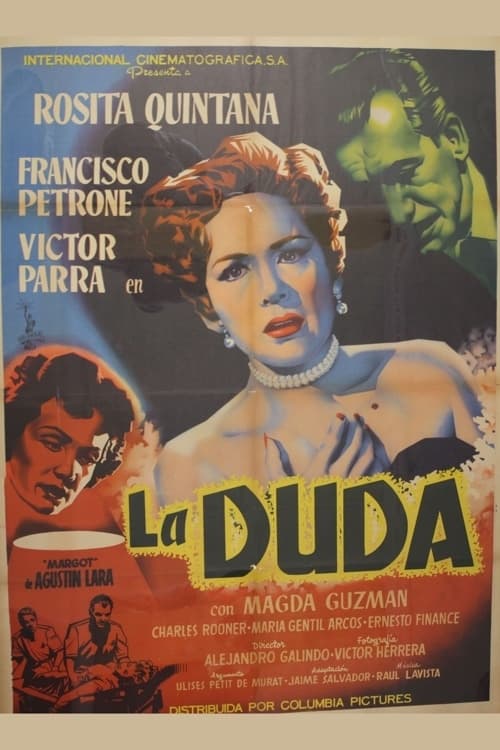
1954
Director
Alejandro Galindo
Runtime
107 minutes
Average Rating
No ratings yetNew Showbiz Analysis
Alejandro Galindo’s *La duda* is a classic period melodrama that delves into the emotional complexities of the domestic sphere. It provides female characters with psychological depth but remains firmly rooted in the social norms of 1950s Mexico. The film centers on the study of motherhood and sacrifice, rather than challenging societal norms. While it offers a nuanced view of womanhood, it upholds traditional family values and moral hierarchies. Ultimately, the work lacks the diverse representation needed to challenge broader social structures. It serves more as a reflection of its era's social constraints than a critique of them.
Category Breakdown
The film follows the traditional heterosexual norms of 1950s Mexican melodrama. There are no representations of non-traditional gender identities or same-sex relationships.
Female characters have significant control and decision-making power, but this is limited to traditional maternal roles within the home, reinforcing the gender roles of the time.
The cast primarily features Mexican actors, reflecting the cultural identity of the Golden Age of Mexican cinema. It does not include the diverse range of ethnicities seen in modern global productions.
Themes of maternal sacrifice and family secrets emphasize traditional moral structures. The narrative focuses on preserving the family unit without critiquing its institutions.
There is no documented evidence of the portrayal of physical or neurodivergent disabilities in this film.
Present on Screen
Limited or Absent
1942
1953
1945
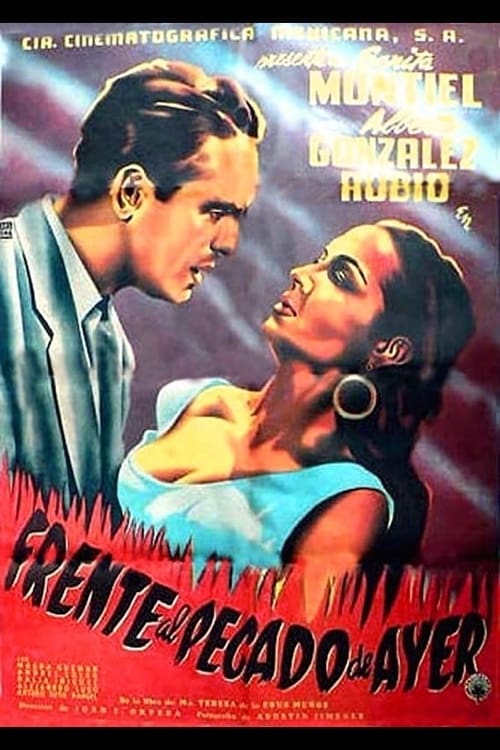
1955
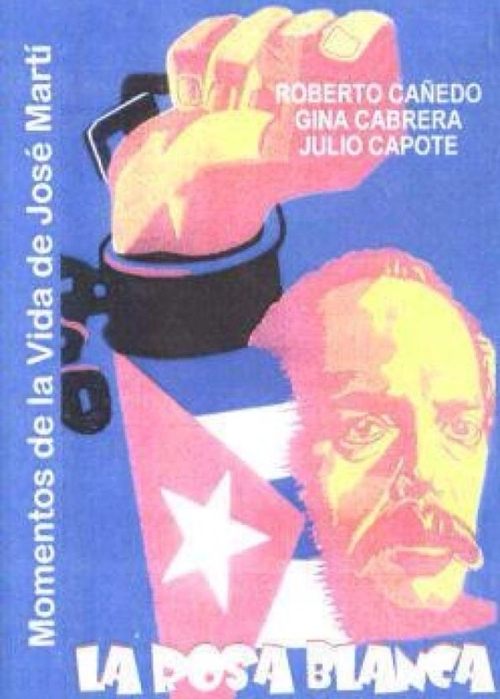
1954
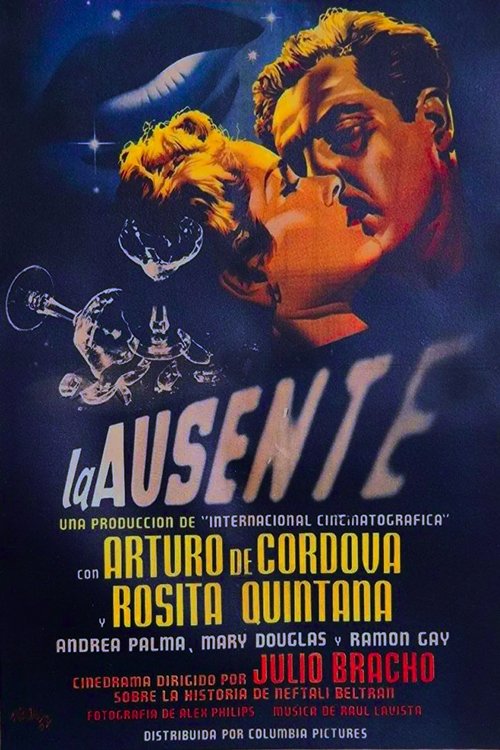
1952
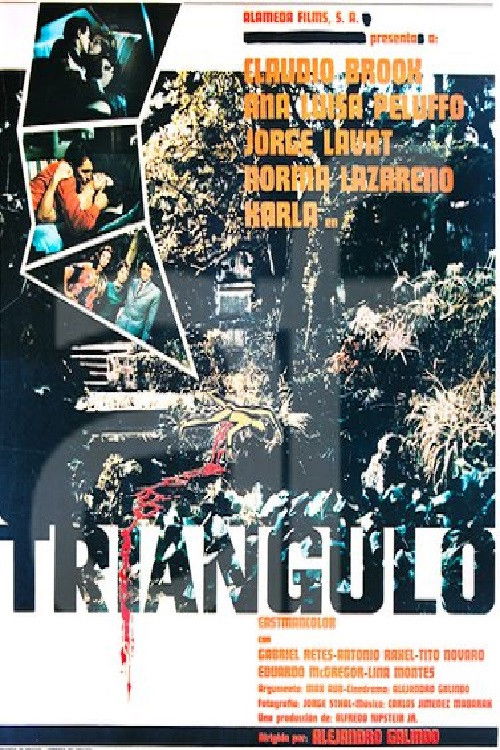
1972
1950
No reviews yet. Be the first to share your thoughts on this movie!
Use the rating form above to leave a star rating and optional review.