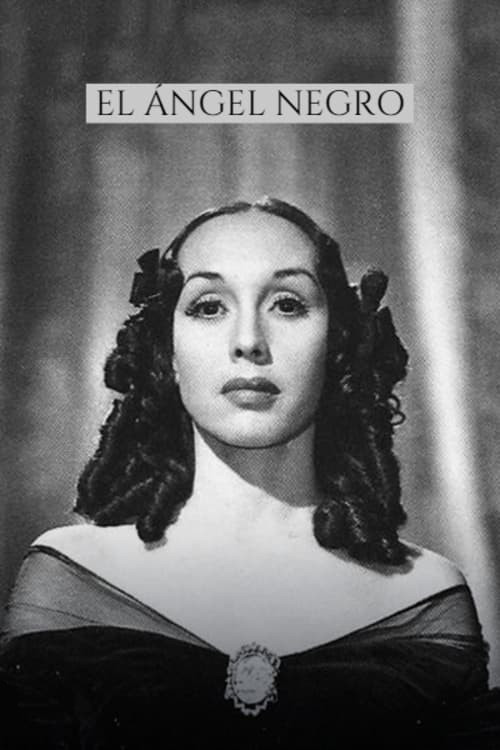
Dark Angel
1942
No user ratings available yet
Representation score: 3.3 out of 10
Representation Score
Limited
1952
Director
Julio Bracho
Runtime
112 minutes
Average Rating
No ratings yetNew Showbiz Analysis
The film adheres to the established social and narrative frameworks of the Golden Age of Mexican cinema. It prioritizes psychological depth and genre elements like noir and melodrama over modern systemic challenges. While the central female character provides emotional complexity, the film remains rooted in the period-typical conventions of the 1950s. It functions as a character study rather than a vehicle for progressive social change. Ultimately, the work reflects the domestic population and social institutions of its era without challenging prevailing hierarchies or promoting diverse identities.
Category Breakdown
The film does not include any non-straight relationships or queer stories. The plot centers around traditional marriage and family conflicts.
Women play key roles in the emotional and psychological development of the story through melodrama. However, their involvement shifts between active participation and being victims of circumstances.
The cast primarily consists of non-Anglo-Saxon actors, reflecting the typical national identity of 1952 Mexico. However, there is no proactive disruption of racial stereotypes.
The narrative follows the conventional moral and social structures of mid-century urban Mexico. It emphasizes individual psychological tension rather than systemic critique.
There is no visible portrayal of physical or neurodivergent disabilities in the synopsis.
Present on Screen
Limited or Absent
Official Synopsis
After arguing with her husband, a woman runs out of the house in the car and dies in a mysterious accident
1942
1955
1945
1960

1951
1981
1951
1947
No reviews yet. Be the first to share your thoughts on this movie!
Use the rating form above to leave a star rating and optional review.