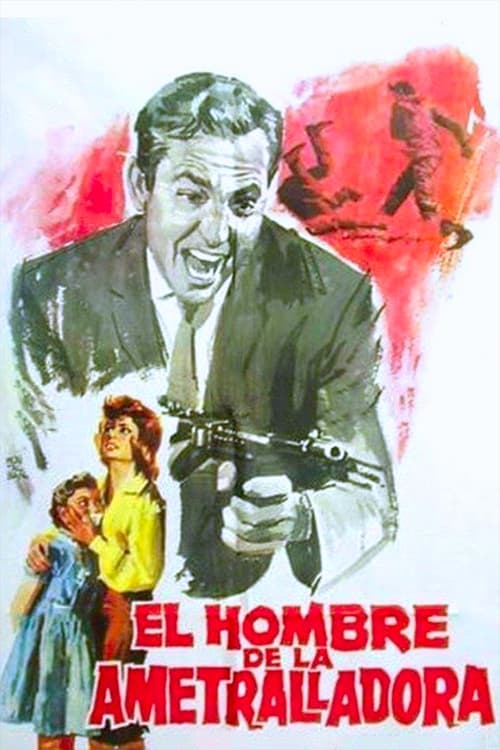
El hombre de la ametralladora
1961
No user ratings available yet
Representation score: 2.4 out of 10
Representation Score
Minimal
1950
Director
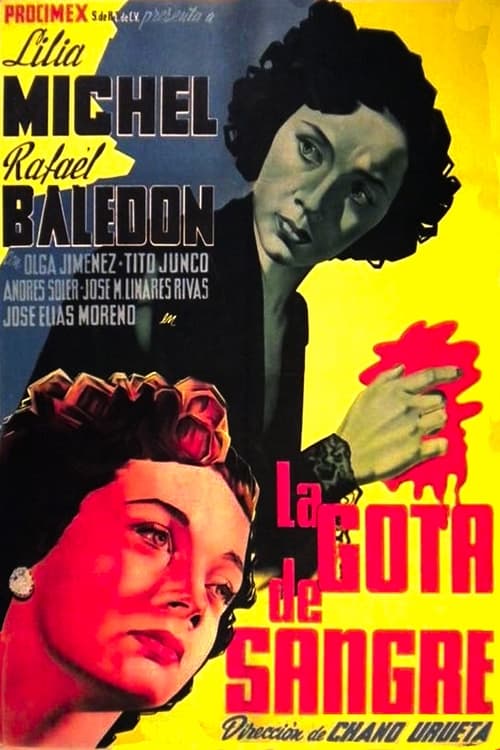
Chano Urueta
Runtime
105 minutes
Average Rating
No ratings yetNew Showbiz Analysis
La gota de sangre operates within the typical social and narrative structures of 1950s Mexican melodrama. The film relies heavily on established genre clichés of the era, focusing on interpersonal tension and domestic suspense. While the central premise introduces a strong female character through the suspicion of her being a serial killer, the film does not seem to question broader societal norms. It functions primarily as a crime mystery centered on a marital plot. Ultimately, the work adheres to the social hierarchies of its time. Without showing multi-layered identities or challenging traditional institutions, it remains a product of its specific historical and cultural context.
Category Breakdown
The film does not show any non-binary or transgender identities. The story revolves around a traditional marriage plot without questioning the idea that everyone is straight or cisgender.
The story centers on a female character's potential for violence, breaking the stereotype of the passive woman. However, it still follows traditional genre patterns.
As a Mexican production, it reflects the region’s demographics of the 1950s. There is not enough information to determine if the casting challenges or reinforces racial hierarchies.
The crime mystery genre fits within the moral standards of the mid-20th century. There is no indication of themes that challenge traditional religious or secular values.
There is no information available about the portrayal of physically or neurodivergent characters in this work.
Present on Screen
Limited or Absent
Official Synopsis
Did Rodolfo just marry a serial murderess?
1961
1971
1972
1949
1951
1959

1957
1946
No reviews yet. Be the first to share your thoughts on this movie!
Use the rating form above to leave a star rating and optional review.