Sonata de luna
1992
No user ratings available yet
Representation score: 5.5 out of 10
Representation Score
Fair
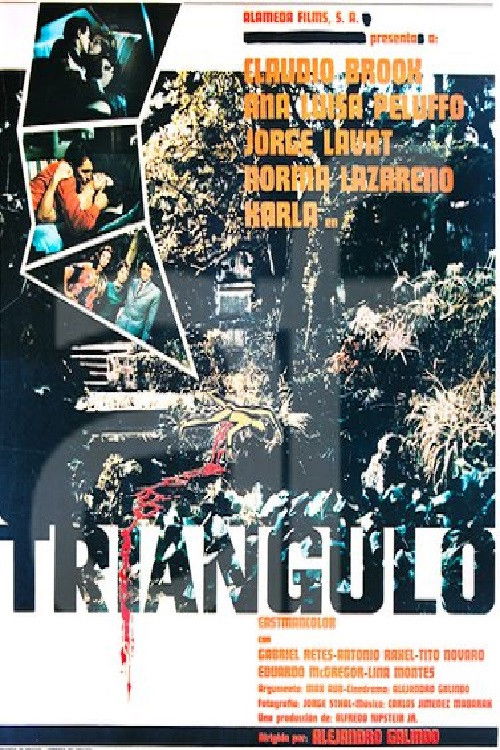
1972
Director
Alejandro Galindo
Runtime
82 minutes
Average Rating
No ratings yetNew Showbiz Analysis
Alejandro Galindo’s thriller centers on the destabilization of the nuclear family following a violent death. The narrative tension arises from the interpersonal power dynamics between a mother and daughter after the stepfather is killed. While the film lacks queer representation, it finds strength in its female-centric approach to domestic drama. By removing the male figure, the story shifts focus toward women's ability to drive the story and the consequences of their actions. Ultimately, the film serves as a study of fractured social structures, moving away from harmonious family archetypes to explore the darker, more complex realities of a household in crisis.
Category Breakdown
The film focuses on a traditional heterosexual family structure and does not include any queer narratives or non-cisgender identities.
Women play key roles in the central conflict between a mother and daughter. The story challenges passive female stereotypes by making them the primary actors in a violent domestic mystery.
As a Mexican production, the film provides regional representation. However, it lacks specific details about multi-layered identities or the intentional subversion of racial hierarchies.
The film deconstructs the idealized family unit by framing domestic life through crime and mystery. It offers a critical view of traditional household stability and moral certainty.
The synopsis and cast list provide no indication of characters with visible or invisible disabilities.
Present on Screen
Limited or Absent
Official Synopsis
The story of Mother and Daughter for a Husband and Stepfather who was killed by shotgun.
1992
1965
1961
1950
1997

1970
1994
1971
No reviews yet. Be the first to share your thoughts on this movie!
Use the rating form above to leave a star rating and optional review.