La niña de mis ojos
1947
No user ratings available yet
Representation score: 4.6 out of 10
Representation Score
Limited
1954
Director
Emilio Fernández
Runtime
106 minutes
Average Rating
No ratings yetNew Showbiz Analysis
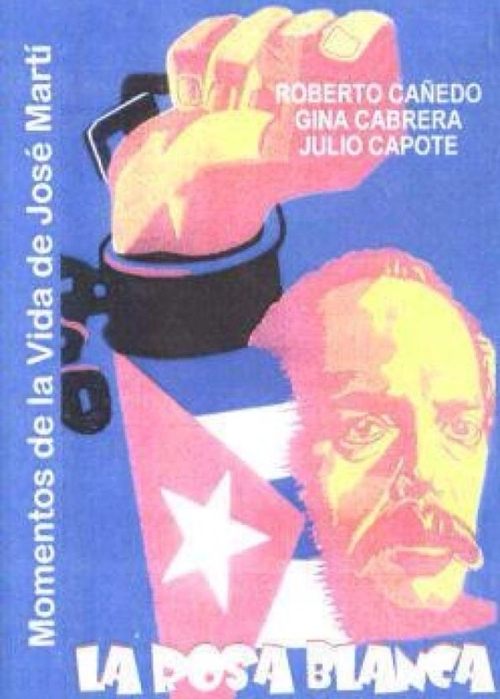
La rosa blanca is a product of the Mexican Golden Age, deeply rooted in nationalist and traditionalist cinematic movements. The film prioritizes established cultural archetypes and conventional social hierarchies over modern, storytelling that reflects multiple aspects of identity. While the work serves as a cultural cornerstone by centering Mexican and mestizo aesthetics, it lacks the subversion of norms found in contemporary cinema. The narrative structure reinforces mid-century social structures rather than challenging them. Ultimately, the film functions as a reflection of its era's values, focusing on religious motifs and traditional gender roles rather than progressive representation.
Category Breakdown
The film follows the conventions that assume everyone is straight or cisgender, typical of mid-century Mexican cinema. There is no evidence of queer themes or critiques of rigid gender roles.
The narrative likely emphasizes traditional romantic archetypes and established gender roles. Female characters appear positioned within domestic or sacrificial frameworks rather than as disruptors of patriarchal structures.
The film centers on Mexican identity and mestizo aesthetics. While it avoids Anglo-centric narratives, it lacks modern multi-layered diversity or the deconstruction of ethnic hierarchies.
The story prioritizes traditional values, religious motifs, and the sanctity of the family unit. It reinforces social and moral cohesion rather than exploring secularist themes.
There is no verifiable evidence of characters with visible or invisible disabilities in this production.
Present on Screen
Limited or Absent
Official Synopsis
For the centenary of Cuban patriot Jose Marti, the 1950s pre-Castro dictator Batista collected funds for an official film commemoration and hired renowned director Fernandez from Mexico to erect this memorial work.
1947
1953
1954

1959
1945
1939

1943
1955
No reviews yet. Be the first to share your thoughts on this movie!
Use the rating form above to leave a star rating and optional review.