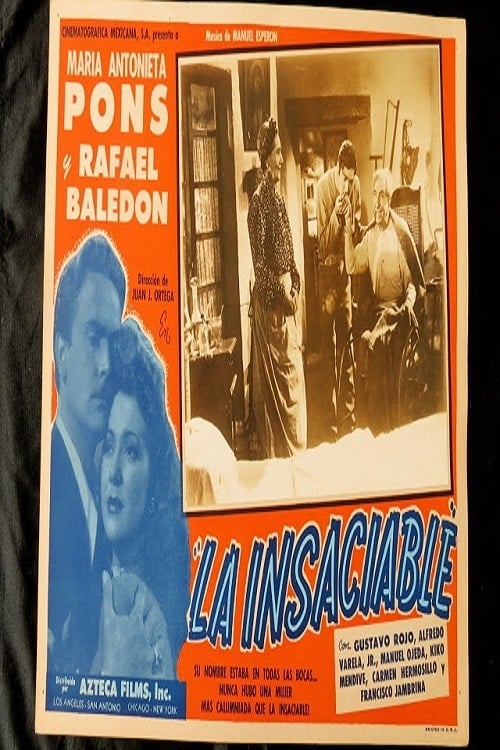
La insaciable
1947
No user ratings available yet
Representation score: 1.9 out of 10
Representation Score
Limited
1945
Director
Alejandro Galindo
Runtime
119 minutes
Average Rating
No ratings yetNew Showbiz Analysis
Alejandro Galindo’s work excels in its deep engagement with class-based identity politics and its critique of institutional corruption. By utilizing the 'social bandit' archetype, the film effectively deconstructs the legitimacy of the ruling class and challenges the morality of the state. However, the film is limited by the traditional gender hierarchies of its era. Female characters lack the ability to act seen in their male counterparts, remaining largely confined to domestic roles. The film's strength lies in its post-colonial perspective. It rejects traditional capitalist hierarchies and provides a nuanced look at socioeconomic disparity and the systemic pressures exerted upon the working class.
Category Breakdown
The film does not include any explicit representations of LGBTQ+ identities or same-sex intimacy. There is no queer-coded subtext within the narrative.
Female characters are primarily positioned within domestic or romantic contexts. They often serve as emotional anchors, while the ability to act to drive social conflict remains concentrated in male protagonists.
The film centers on indigenous and mestizo identities within a 19th-century context. This focus disrupts the Anglo-centric lens often found in global cinema.
The narrative provides a sophisticated critique of power structures and systemic corruption. It frames the accumulation of elite wealth as a catalyst for social decay and injustice.
There are no prominent depictions of physical or neurodivergent disabilities used as central plot devices or character traits.
Present on Screen
Limited or Absent
1947
1949
1935
1951
1971
1948
1966
1961
No reviews yet. Be the first to share your thoughts on this movie!
Use the rating form above to leave a star rating and optional review.