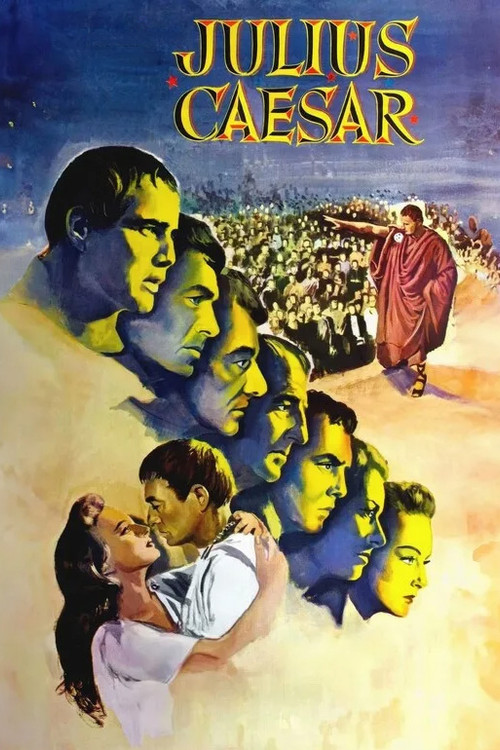
Julius Caesar
1953
No user ratings available yet
Representation score: 2.3 out of 10

Representation Score
Excellent
1999
RDirector
Julie Taymor
Runtime
162 minutes
Average Rating
No ratings yetNew Showbiz Analysis
Julie Taymor’s adaptation dismantles the 'Great Man' theory of history. Instead of focusing on male-centric political maneuvering, it explores how systemic corruption affects underrepresented individuals. The film's strength lies in its subversion of classical authority and its focus on the multi-layered experiences of women. While the film offers a powerful critique of imperial structures and gendered ability to act, it falls short in its portrayal of disability and LGBTQ+ identities. Physical impairments and sensory loss are used primarily as dramatic devices, and queer identities are not central to the narrative.
Category Breakdown
The film does not prominently feature LGBTQ+ identities or relationships. Themes of desire and obsession are portrayed through power struggles and vengeance rather than personal identity.
The film challenges traditional patriarchal structures by focusing on the experiences of women like Tamora and Lavinia, who drive the narrative through their ability to act and revenge.
An international cast brings diversity to the film, avoiding the whitewashing often found in period pieces. This multi-ethnic ensemble creates a more cosmopolitan depiction of the Roman Empire.
The film critiques imperial institutions and the justice system they impose. It portrays Western-style empires as inherently corrupt and prone to self-destruction.
Physical trauma and sensory loss are depicted, particularly with Lavinia. These elements serve as plot catalysts rather than exploring the lived experience of disability.
Present on Screen
Limited or Absent
Official Synopsis
Titus Andronicus returns from the wars and sees his sons and daughters taken from him, one by one. Shakespeare's goriest and earliest tragedy.
1953

1964
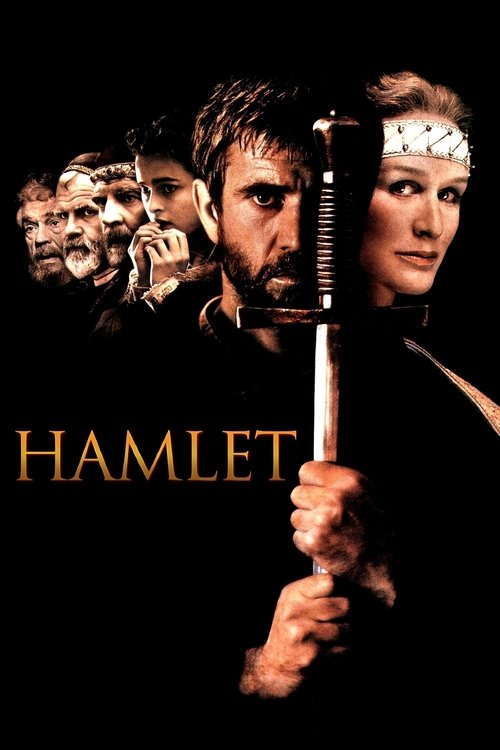
1990

1969

1985

1989

2002
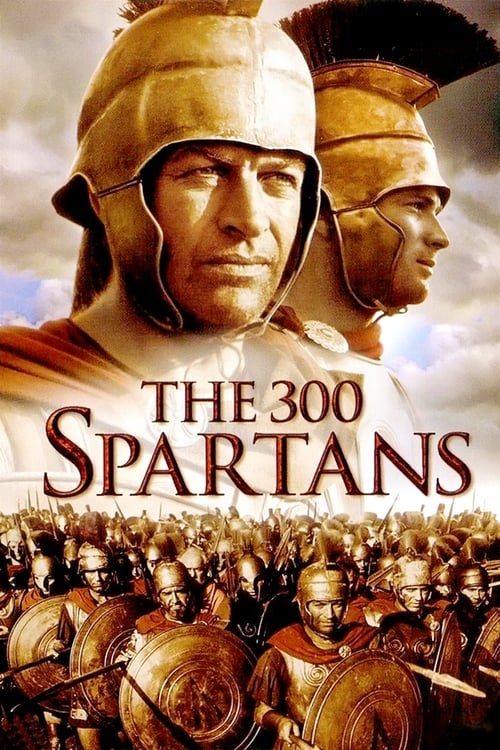
1962
No reviews yet. Be the first to share your thoughts on this movie!
Use the rating form above to leave a star rating and optional review.