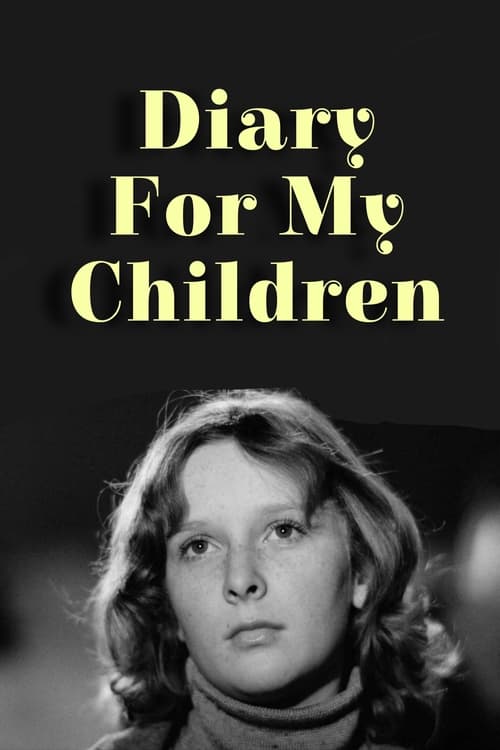
Diary for My Children
1984
No user ratings available yet
Representation score: 7.8 out of 10
Representation Score
Good
1990
Director
Márta Mészáros
Runtime
119 minutes
Average Rating
No ratings yetNew Showbiz Analysis
Márta Mészáros delivers a sophisticated meditation on memory that prioritizes the internal lives of women over patriarchal narratives. By centering female subjectivity, the film challenges traditional gender hierarchies within a historical framework. However, the work remains limited by its narrow demographic scope, focusing on a specific Hungarian ethnic context. The narrative offers little engagement with broader racial or ethnic diversity. Ultimately, the film's strength lies in its intellectual depth rather than broad demographic variety, providing a complex exploration of how political trauma reshapes personal and familial structures.
Category Breakdown
The film does not include explicit LGBTQ+ identities or non-straight relationships. Emotional weight is carried through traditional familial and romantic structures.
The narrative centers female subjectivity and intellectual development, elevating the female perspective to the heart of historical discourse.
The cast remains ethnically homogeneous, reflecting the specific historical context of mid-20th century Hungary. It does not engage with broader racial diversity.
The film critiques power structures and portrays the family as a site of political fragmentation. It presents truth as a subjective construct shaped by trauma.
There is no central depiction of physical or neurodivergent disabilities. The film focuses instead on the psychological trauma caused by political upheaval.
Present on Screen
Limited or Absent
Official Synopsis
This story follows a young student, who is orphaned as she grows to adulthood in the shadow of the 1956 Hungarian uprising. Coming from the Communist intelligentsia, she sees her friends and family react differently. Her lover, a married factory manager, supports the patriots and later assists fellow workers in staging a strike. Meanwhile her sister and others express anger at being forced from their homes during the revolution and continue to express a hatred for the rebels afterwards. But in the end they realize that for all people, real life is not possible after the revolt and its brutal suppression by the Soviets and their collaborators.
1984
1985
1982
2018
1985
1995
1969

1989
No reviews yet. Be the first to share your thoughts on this movie!
Use the rating form above to leave a star rating and optional review.