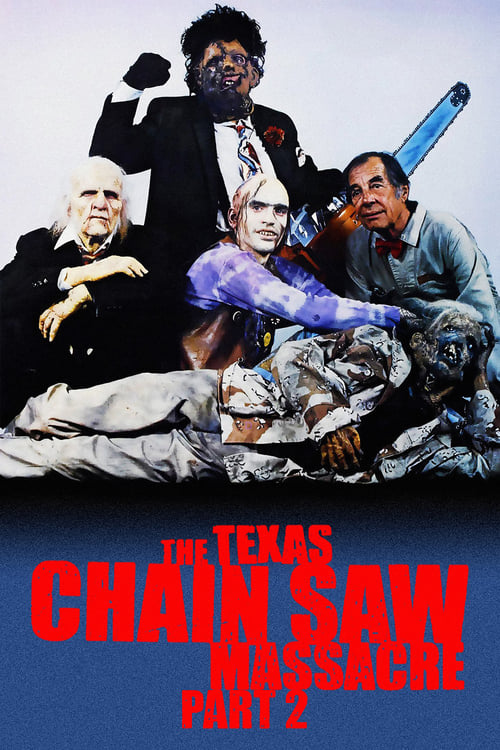
The Texas Chainsaw Massacre 2
1986
No user ratings available yet
Representation score: 5.1 out of 10

Representation Score
Limited
1987
RDirector
Lee Harry
Runtime
88 minutes
Average Rating
No ratings yetNew Showbiz Analysis
The film's strength lies in its willingness to challenge religious authority. By framing dogma as a catalyst for violence and trauma, it moves beyond simple horror into a more skeptical, secularized critique of Western institutions. However, these thematic complexities are undermined by a lack of diverse representation. The production remains rooted in the era's genre conventions, featuring a largely homogeneous cast and traditional gender roles. Ultimately, while the film explores psychological fallout and institutional harm, it fails to expand its demographic scope or offer sophisticated representations of disability and race.
Category Breakdown
The film does not include any LGBTQ+ characters or perspectives. It focuses solely on heterosexual relationships and traditional gender roles.
The story follows typical 1980s slasher movie patterns, including the 'final girl' cliché. It centers on a male protagonist without challenging traditional gender roles.
The cast is predominantly white and reflects a homogeneous, small-town American demographic. There is no meaningful racial diversity or color-blind casting.
The narrative sharply criticizes religious dogma and fanaticism. It portrays religious institutions as potential sources of psychological trauma rather than stabilizing forces.
Mental health is a central theme, focusing on the protagonist's psychological instability. However, these elements serve horror clichés rather than providing a nuanced portrayal of neurodivergence.
Present on Screen
Limited or Absent
Official Synopsis
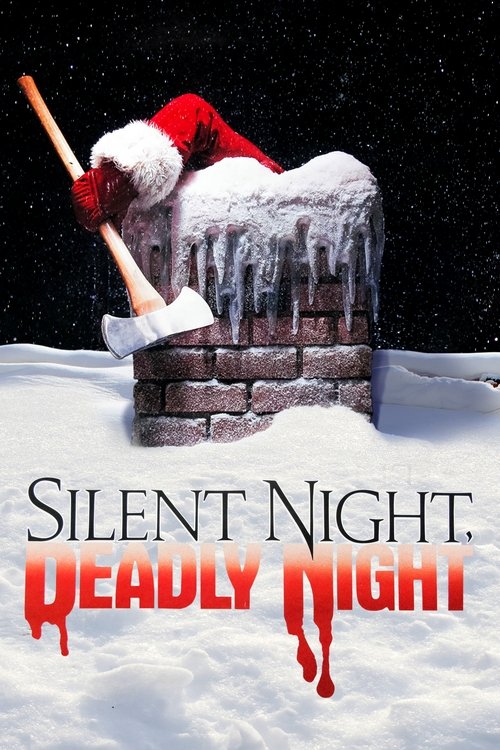
Ricky is released from a mental hospital, taking with him the memory of his brother Billy's death and embarking on a journey of relentless revenge.
1986
1971

1992
1984
1990
1972
1988
1985
No reviews yet. Be the first to share your thoughts on this movie!
Use the rating form above to leave a star rating and optional review.