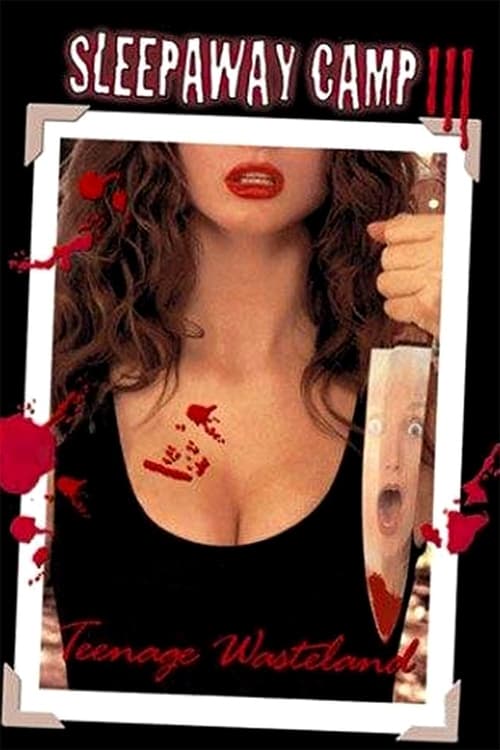
Sleepaway Camp III: Teenage Wasteland
1989
No user ratings available yet
Representation score: 3.5 out of 10
Representation Score
Fair
1988
RDirector
Michael A. Simpson
Runtime
80 minutes
Average Rating
No ratings yetNew Showbiz Analysis
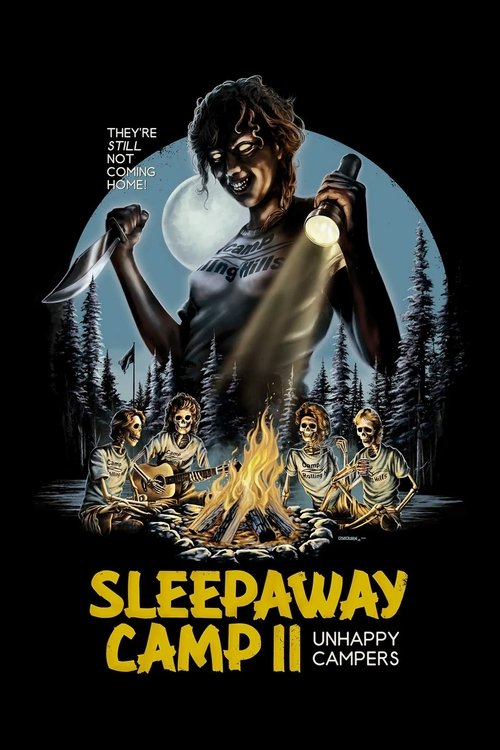
Sleepaway Camp II: Unhappy Campers prioritizes postmodern genre parody over social representation. It effectively disrupts slasher genre clichés through a heightened, campy aesthetic and a subversion of the traditional submissive female archetype via Angela Baker. However, the film remains tied to 1980s genre conventions. It lacks meaningful LGBTQ+ presence and relies on homogeneous casting that fails to challenge historical racial hierarchies. Mental health issues are treated as horror devices rather than nuanced character studies. Ultimately, the film's subversions are stylistic rather than ideological. It focuses on situational morality and survival, leaving broader power dynamics and demographic inclusivity largely unchanged.
Category Breakdown
The film doesn't include central LGBTQ+ stories or characters with non-traditional genders. The campy style isn't enough to provide meaningful queer roles or challenge the idea that everyone is straight or cisgender.
Angela Baker breaks traditional feminine stereotypes by serving as a moral authority figure. However, the film heavily relies on gendered violence and portrays female characters as vulnerable.
The casting reflects the homogeneous demographics typical of 1980s low-budget horror films. There is no indication of intentional efforts to cast a diverse range of actors to challenge historical racial hierarchies.
The narrative highlights teenagers' disregard for authority and camp rules, functioning as a stylistic element of horror-comedy rather than a critical look at Western institutions.
Mental instability and institutionalization are used as plot devices through Angela Baker. These elements rely on the dangerous cliché rather than providing a nuanced portrayal of neurodivergence.
Present on Screen
Limited or Absent
Official Synopsis
Angela Baker escapes from a mental hospital and surfaces at a summer camp as a counselor who lectures her teenage charges on proper moral behavior. Those teens who break her strict rules -- from the camp chatterbox or a sex-obsessed girl to the boys who are peeping Toms -- are murdered by the impostor in various gruesome ways. As more campers go missing, intrepid counselor Molly begins to piece together the truth.
1989
1983
2008
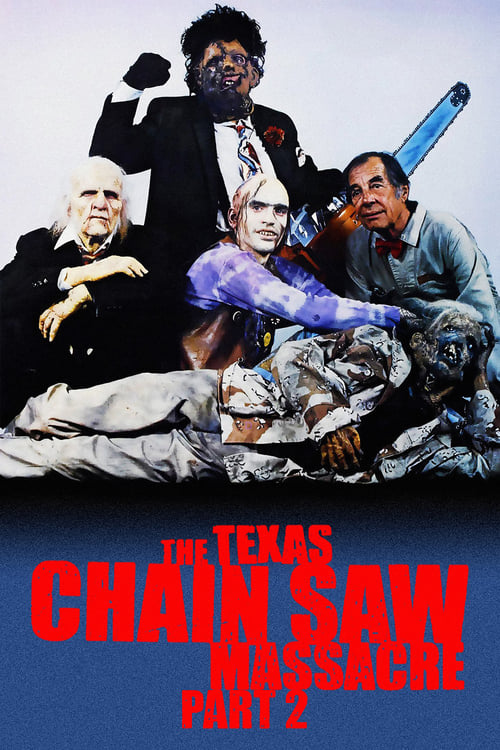
1986
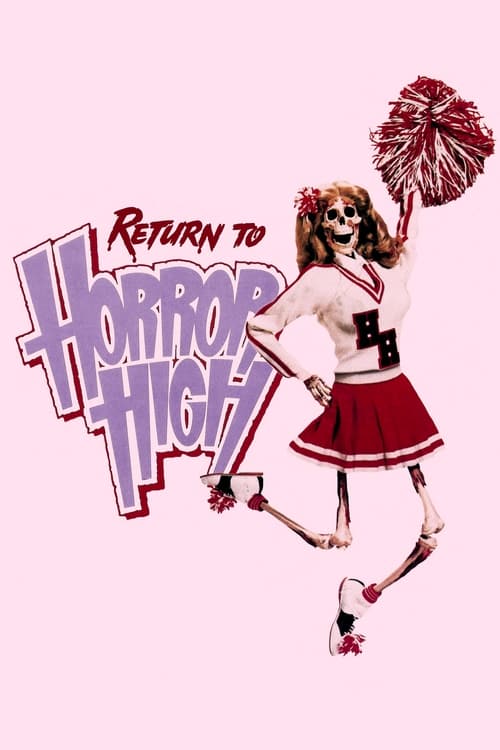
1987
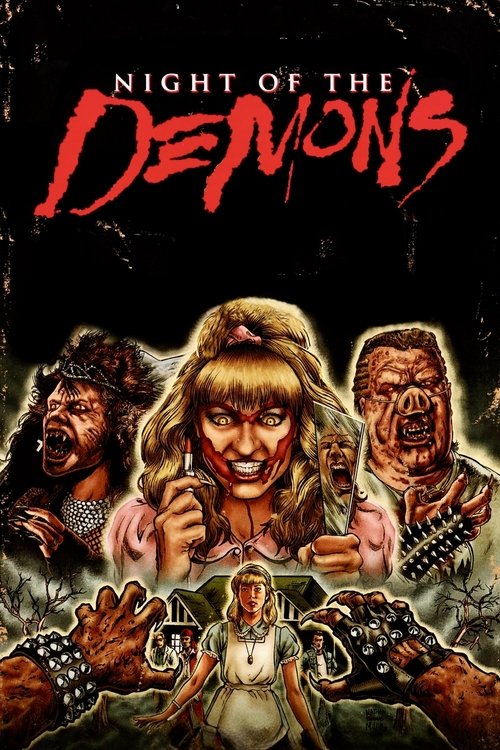
1988

1987
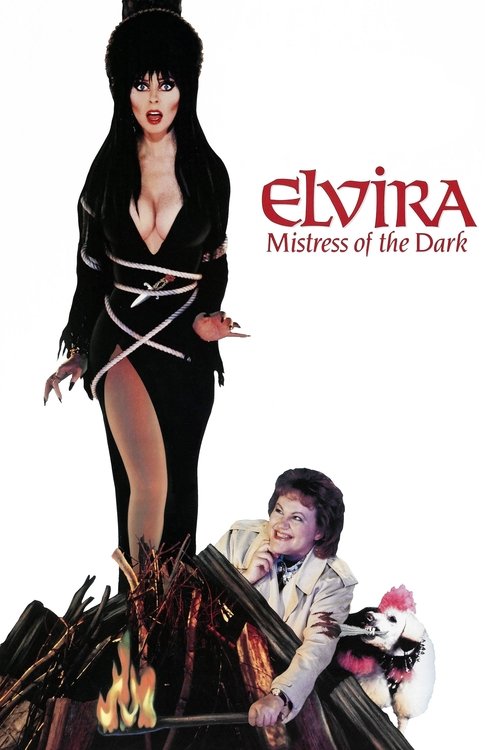
1988
No reviews yet. Be the first to share your thoughts on this movie!
Use the rating form above to leave a star rating and optional review.