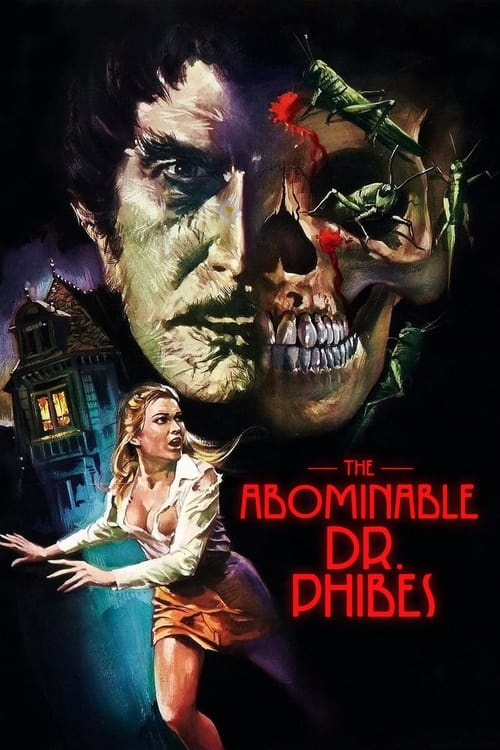
The Abominable Dr. Phibes
1971
No user ratings available yet
Representation score: 2.4 out of 10

Representation Score
Minimal
1992
RDirector
Manny Coto
Runtime
95 minutes
Average Rating
No ratings yetNew Showbiz Analysis
Dr. Giggles is a genre-specific horror-comedy that relies heavily on traditional slasher clichés. The film focuses on stylized violence and psychological horror rather than social critique. The narrative does not intentionally address multiple aspects of identity. Characters function within a narrow framework, serving specific genre roles like the unstable antagonist or the female survivor, without giving real power to underrepresented groups. Overall, the film maintains traditional social hierarchies and focuses on individual psychosis and survival without delving into broader themes of racial, cultural, or LGBTQ+ identity.
Category Breakdown
The film does not include any LGBTQ+ characters or identities that challenge traditional heterosexual norms. It stays within the confines of straight relationships throughout the story.
Female characters mainly exist as objects of pursuit within the typical slasher framework. The antagonist, despite his medical position, embodies instability rather than challenging traditional male dominance.
The cast is mostly white, fitting the small-town American setting and 1990s film standards. There are no significant characters of color or efforts to promote racial diversity.
The story centers on personal conflicts and individual suffering without engaging with broader political or cultural issues. It lacks interaction with diverse ideological or cultural contexts.
The antagonist's violent actions stem from mental illness, aligning with the horror genre's requirement for an unstable individual as a source of fear. The portrayal emphasizes the cliché of the mentally ill person as terrifying.
Present on Screen
Limited or Absent
Official Synopsis
In 1957, Evan Rendell flees after his father is lynched for killing multiple patients in his effort to find a replacement heart for his ailing wife. After 35 years, Evan escapes from a mental institution and returns to town for revenge, killing off residents one by one. When Jennifer and her friends break into the Rendell house out of morbid curiosity, Evan notices Jennifer has a heart condition similar to his mother and decides to make her his final victim.
1971
1972

1987
1964
1990
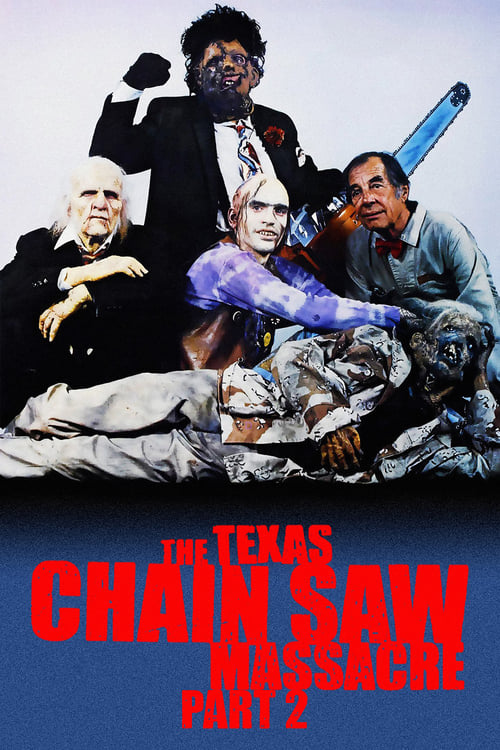
1986

1995
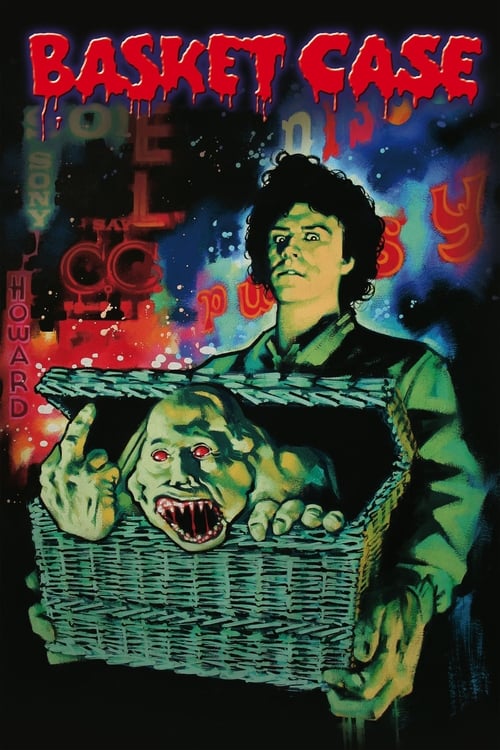
1982
No reviews yet. Be the first to share your thoughts on this movie!
Use the rating form above to leave a star rating and optional review.