Christmas Evil
1980
No user ratings available yet
Representation score: 1.5 out of 10
Representation Score
Limited
1984
RDirector
Charles E. Sellier Jr.
Runtime
79 minutes
Average Rating
No ratings yetNew Showbiz Analysis
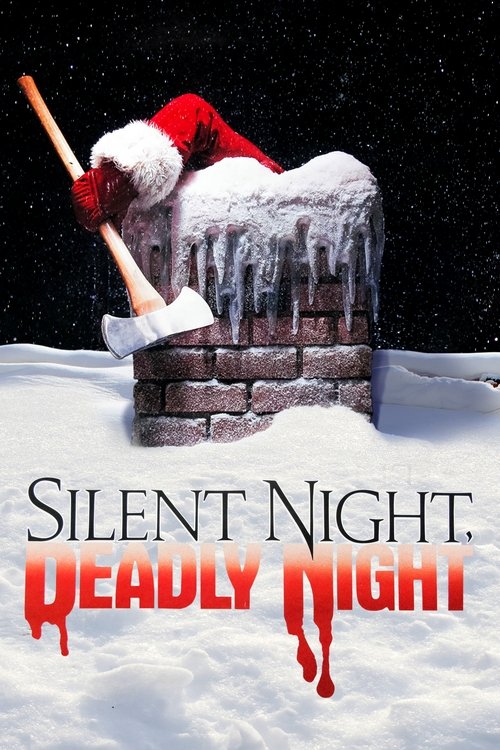
Silent Night, Deadly Night is a classic 1980s slasher film that emphasizes genre clichés over social commentary. The film centers on a homogeneous, white demographic, reinforcing the era's typical suburban horror setting. Although the film lacks depth in exploring multiple aspects of identity, it offers a unique cultural critique. By turning religious symbols and holiday figures into sources of terror, it challenges the perceived benevolence of traditional Western institutions. Ultimately, the film explores individual psychological breakdown through trauma and mental instability, rather than providing a meaningful look into disability or identity.
Category Breakdown
The film does not include any visible LGBTQ+ characters or non-straight identities. It follows a traditional focus on straight relationships.
The story revolves around a male character's descent into violence. Female characters, such as the orphanage nun, are shown as cruel rather than complex social figures.
The cast is mainly white, reflecting a uniform 1980s suburban setting. There is no indication of racially diverse casting to challenge societal norms.
The film turns religious icons and holiday figures into sources of horror, critiquing religious institutions by depicting them as sites of trauma.
Mental instability drives the horror elements but lacks nuanced exploration of neurodivergence. The narrative relies on the common 'unstable killer' cliché.
Present on Screen
Limited or Absent
Official Synopsis
After a man dressed as Santa Claus brutally murders Billy Chapman's parents, little Billy then endures the cruelty of a sadistic nun at his orphanage. Years later, when adult Billy has to fill in for an absent in-store Santa, his childhood trauma brings him to the breaking point.
1980
1988
1978
1987
1989
1988
1990
1990
No reviews yet. Be the first to share your thoughts on this movie!
Use the rating form above to leave a star rating and optional review.