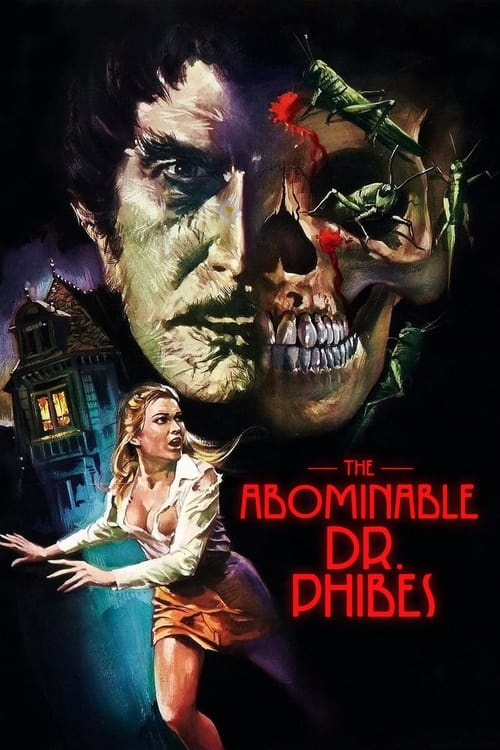
The Abominable Dr. Phibes
1971
No user ratings available yet
Representation score: 2.4 out of 10
Representation Score
Limited
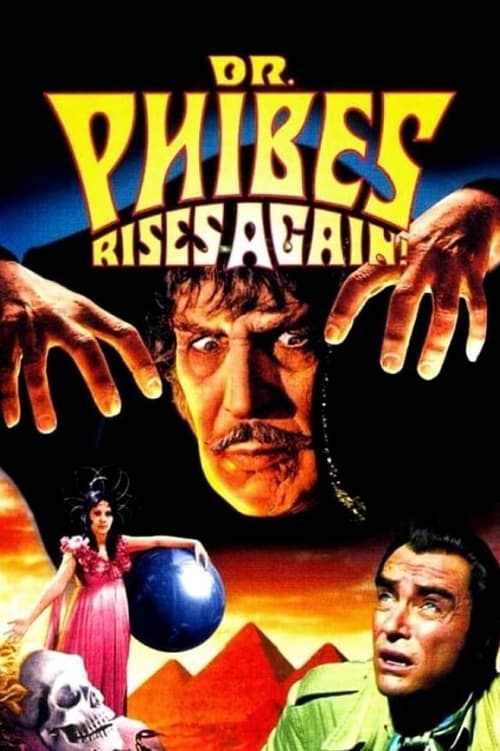
1972
PGDirector
Robert Fuest
Runtime
89 minutes
Average Rating
No ratings yetNew Showbiz Analysis
Dr. Phibes Rises Again is a stylized genre piece that prioritizes theatricality over social complexity. The film centers on a singular, dominant male perspective, limiting the ability to act of other characters. While the film offers a unique take on morality by portraying a protagonist who operates outside of legal institutions, it fails to provide meaningful representation across most demographic categories. The setting and plot serve the protagonist's ritualistic goals rather than exploring broader cultural or ethnic themes. Ultimately, the film reinforces the social hierarchies typical of early 1970s British horror-comedy, lacking the multi-layered depth required for a progressive score.
Category Breakdown
The film focuses solely on heterosexual relationships, with no significant presence of LGBTQ+ identities or subtext.
Gender roles remain traditional, with women primarily serving as passive objects of obsession or catalysts for the male protagonist rather than independent actors.
The cast is predominantly white and Western, with no meaningful exploration of diverse ethnic backgrounds or ability to act.
The narrative challenges traditional legal structures through vigilantism, presenting a moral relativism where the protagonist acts as a self-appointed judge.
There is no nuanced portrayal of physical or neurodivergent disabilities, with no characters depicted with disabilities contributing to character depth or narrative ability to act.
Present on Screen
Limited or Absent
Official Synopsis
The eminent Dr. Phibes awakens from a decade of suspended animation and heads to Egypt with the corpse of his dead wife, which he intends to resurrect by murdering people in strange and heinous ways.
1971

1973
1964

1959
1990
1967

1994
1948
No reviews yet. Be the first to share your thoughts on this movie!
Use the rating form above to leave a star rating and optional review.