
The Return of the Texas Chainsaw Massacre
1995
No user ratings available yet
Diversity score: 2.3 out of 10
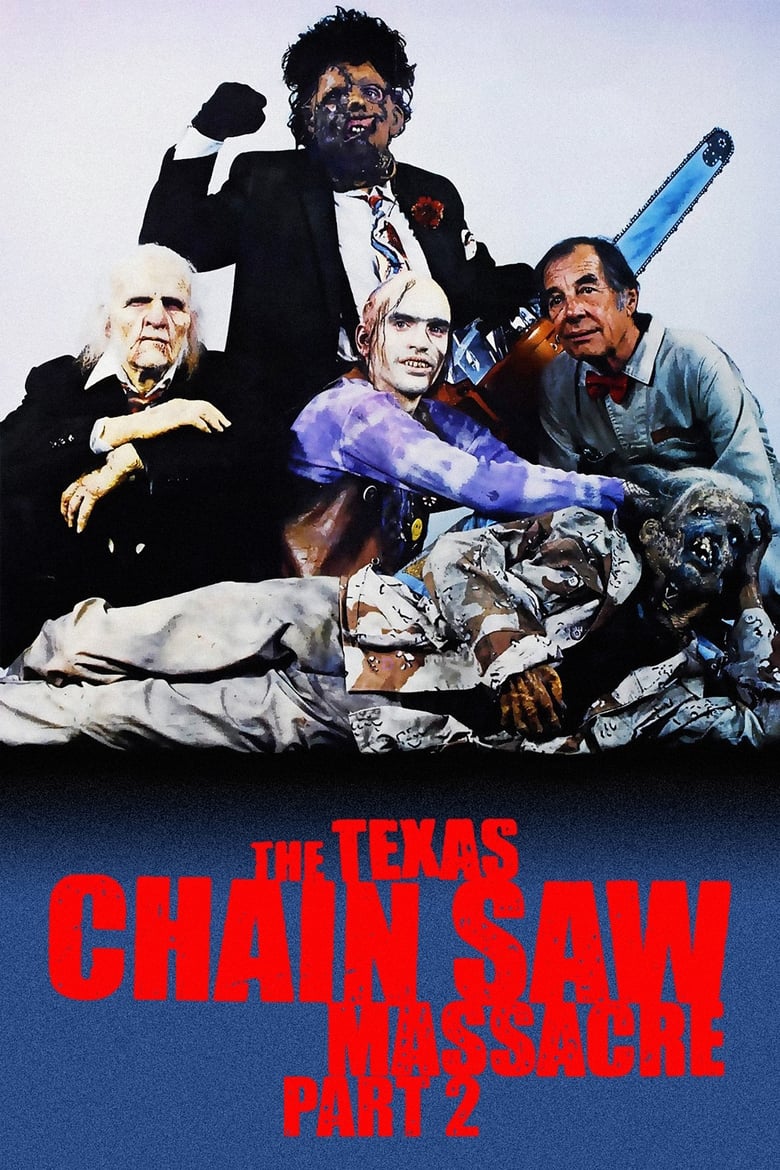
1986
RDirector
Tobe Hooper
Runtime
100 minutes
Average Rating
No ratings yetSynopsis
A radio host is victimised by the notorious cannibal family while a former Texas Marshal hunts them.
Overall Score
Fair
Category Breakdown
LGBTQ+ Representation
The film lacks LGBTQ+ characters or non-heteronormative identities. Social dynamics are confined to traditional, dysfunctional heteronormative frameworks.
Gender Representation
Stretch subverts the damsel in distress trope by demonstrating survivalist agency and intellectual resilience. She actively navigates and disrupts the male-dominated violence.
Racial & Ethnic Diversity
The cast is predominantly white, reflecting a localized, insular Texan setting. The narrative focuses on socioeconomic divides rather than diverse racial perspectives.
Religious & Cultural Diversity
The film offers a cynical critique of the traditional family unit and consumerist capitalism. It blurs the lines between civilized society and primitive savagery.
Disability Representation
Physical trauma and psychological instability serve as visceral horror tools. These elements function as genre plot devices rather than nuanced explorations of lived disability.
Strengths
Areas for Improvement
AI Analysis
Tobe Hooper’s sequel shifts from naturalist horror to a postmodern, satirical deconstruction of the slasher genre. It uses a 'splatterstick' aesthetic to critique 1980s American consumerism and the breakdown of social structures. While the film lacks demographic diversity in terms of race and LGBTQ+ representation, it excels in cultural commentary. It frames traditional institutions like the family and capitalism as decaying or absurd. The narrative's strength lies in its ability to use horror as a vehicle for social critique, challenging the stability of conventional moral and social orders.
1995
1974

1985
2007
2015

1987
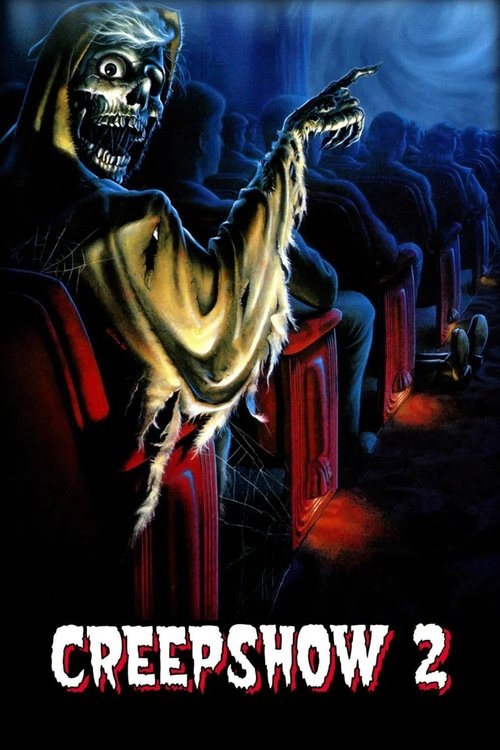
1987
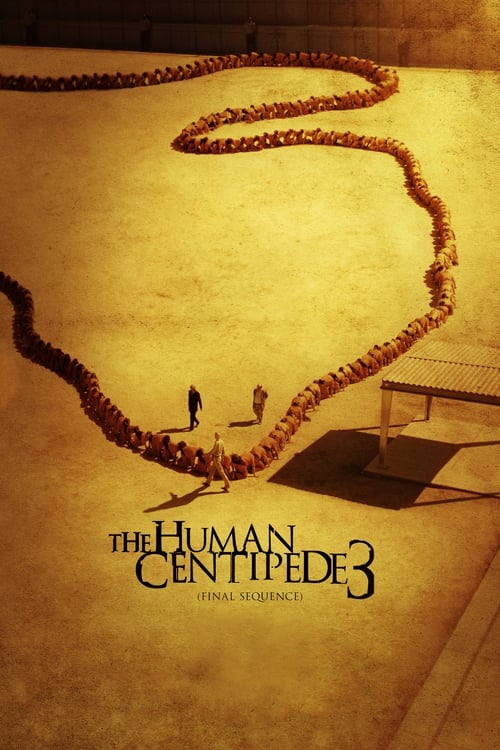
2015
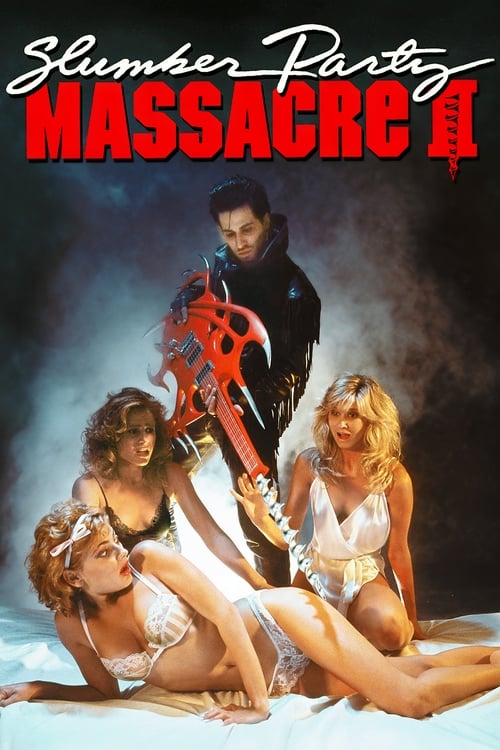
1987

1998

1987
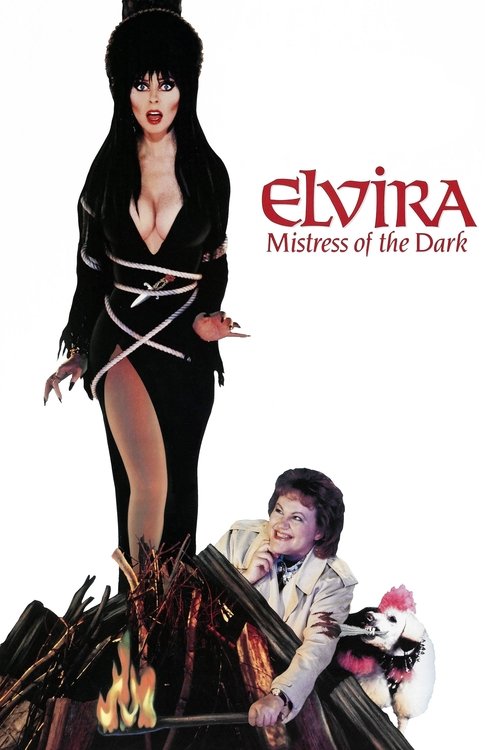
1988
No reviews yet. Be the first to share your thoughts on this movie!
Use the rating form above to leave a star rating and optional review.