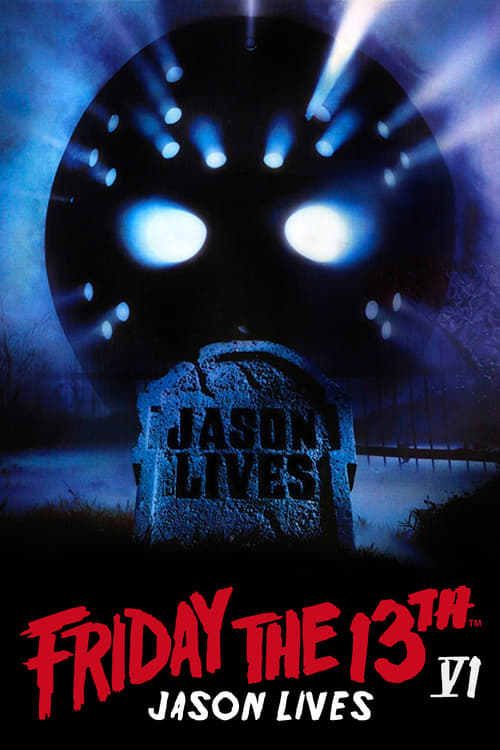
Jason Lives - Friday the 13th Part VI
1986
No user ratings available yet
Representation score: 2.2 out of 10
Representation Score
Limited
1985
RDirector
Danny Steinmann
Runtime
92 minutes
Average Rating
No ratings yetNew Showbiz Analysis
This installment of the franchise serves as a classic 1980s slasher film, focusing on visceral horror mechanics rather than social or cultural commentary. The narrative structure reinforces established cinematic clichés without challenging traditional norms or introducing layered representations.
Category Breakdown
The film does not include any non-straight or non-cisgender identities or intimate relationships between people of the same sex. Interpersonal dynamics follow traditional 1980s social norms.
Tina, the central character, plays a reactive role rather than an active one. Female characters are often portrayed through a highly sexualized lens, reinforcing standard gender stereotypes.
The cast is relatively homogeneous, typical of mid-80s horror films. There is a lack of diverse racial representation or characters of color with significant narrative importance.
The narrative centers on typical adolescent rebellion rather than critiquing institutions. It promotes survivalist ethics without endorsing specific political or religious beliefs.
The film does not meaningfully depict characters with visible or invisible disabilities. Characters are not shown as complex individuals with neurodivergent or physical challenges.
Present on Screen
Limited or Absent
Official Synopsis
Homicidal maniac Jason returns from the grave to cause more bloody mayhem. Young Tommy may have escaped from Crystal Lake, but he’s still haunted by the gruesome events that happened there. When gory murders start happening at the secluded halfway house for troubled teens where he now lives, it seems like his nightmarish nemesis, Jason, is back for more sadistic slaughters.
1986

1995
1984
1982
2008
1986
1981

1981
No reviews yet. Be the first to share your thoughts on this movie!
Use the rating form above to leave a star rating and optional review.