Dos Criados Malcriados
1960
No user ratings available yet
Representation score: 2.0 out of 10
Representation Score
Limited
1953
Director
Gilberto Martínez Solares
Runtime
90 minutes
Average Rating
No ratings yetNew Showbiz Analysis
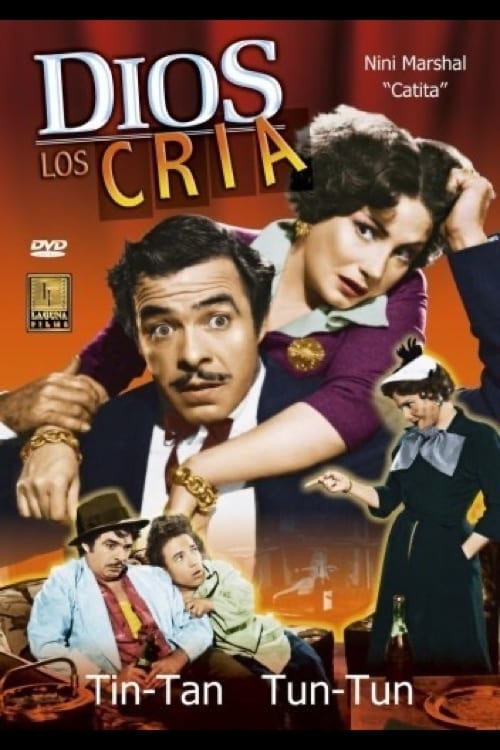
Dios los cría exemplifies mid-century Mexican genre cinema. It offers a culturally specific perspective that contrasts with the homogeneity of Hollywood productions from the same period. While the film presents a non-Western narrative, it adheres to the traditional social hierarchies of the 1950s. The storytelling centers on established comedic archetypes rather than challenging systemic power structures. Overall, the film operates within the social norms of its time without attempting to subvert them.
Category Breakdown
The film sticks to typical mid-century comedic themes focusing on heterosexual relationships and doesn't include any representation of LGBTQ+ identities.
Nínive plays a significant role through her philanthropic goals, but the comedy disrupts the traditional domestic order and follows the gender roles of the 1950s.
The film showcases a predominantly Mexican cast, highlighting a non-Anglo-Saxon narrative. Tin Tan stands out as a symbol of Mexican identity.
It explores socioeconomic tensions through class-based humor and emphasizes philanthropy and communal morality within its cultural context.
There is no representation of visible or invisible disabilities. Characters fit within standard physical and neurotypical comedic roles.
Present on Screen
Limited or Absent
Official Synopsis
Mrs. Nínive Cánovas Cannesi (Marshall) comes back from a long tour visiting Europe and not even realizes that her house is being inhabited by two jobless and homeless bandits (Tin Tán and Tun Tún) with master keys who had been living there worry free. They all share the house for a period of time, unknowingly to each other, in a series of well crafted and perfectly timed scenes where Catita and Tin Tán can be in the same room without seeing each other... When Tin Tán notices her presence, poses as the help, intercepting the real employees and sending to the north pole, literally. So now that Catita has them at her service, she can take time for her real goal, the foundation of a House for old people so they can live happy until the day they die, but Tin Tán and Tun Tún keep getting in her way and complicating everything...
1960
1958
1952

2019
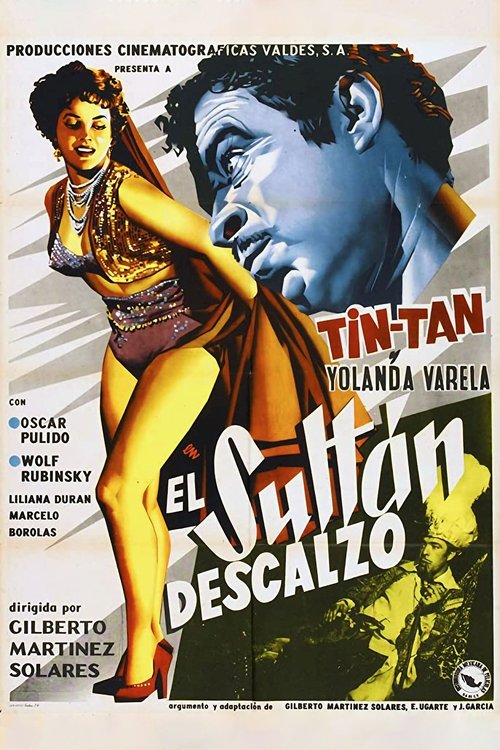
1956
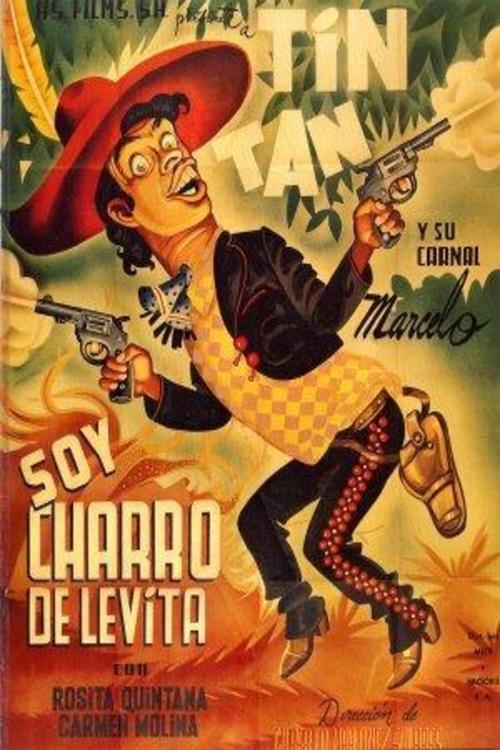
1949
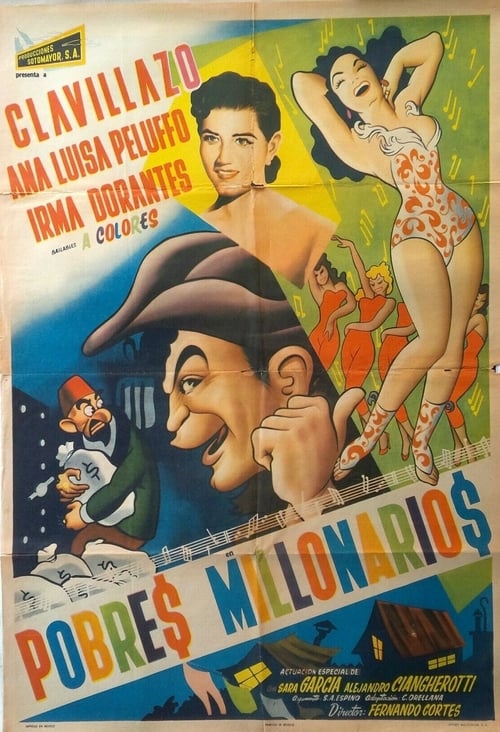
1957
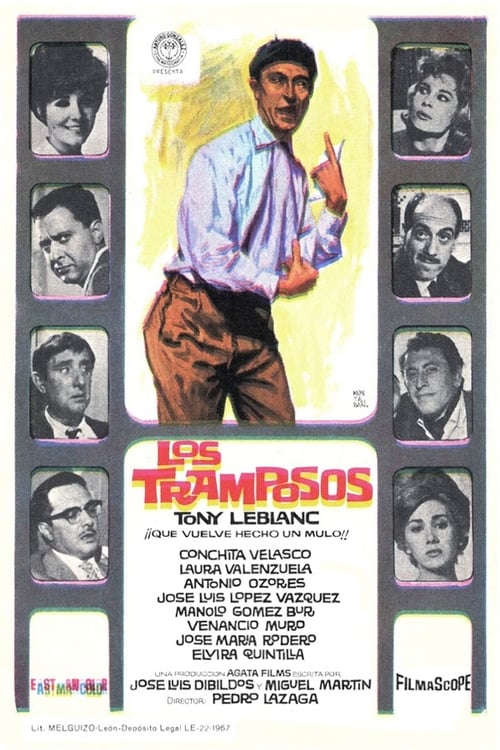
1959
No reviews yet. Be the first to share your thoughts on this movie!
Use the rating form above to leave a star rating and optional review.