
Gran Hotel
1944
No user ratings available yet
Representation score: 2.0 out of 10
Representation Score
Limited
1940
Not RatedDirector
Juan Bustillo Oro
Runtime
112 minutes
Average Rating
No ratings yetNew Showbiz Analysis
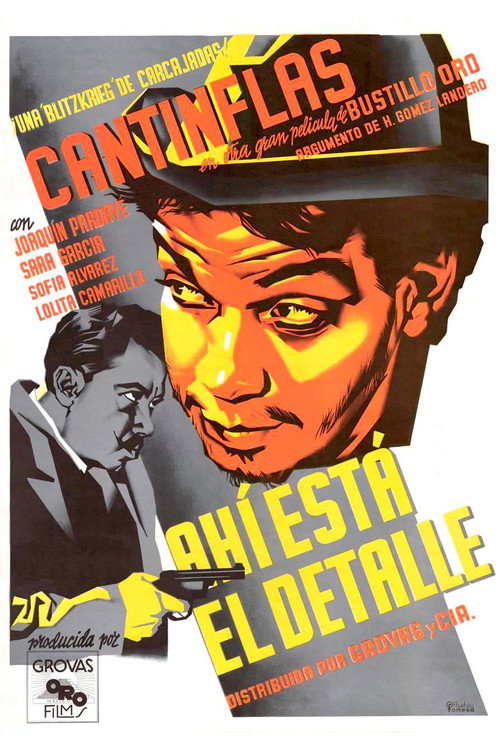
Ahí está el detalle is a classic social comedy that uses class conflict to drive its narrative. While it lacks modern multi-layered elements, it effectively uses the 'trickster' archetype to disrupt established hierarchies. The film's strength lies in its populist critique of the wealthy elite, using a 'bum' to create chaos and challenge the upper class's moral authority. However, the film is limited by the era's social constraints, relying on traditional gender roles and lacking representation for LGBTQ+ identities or characters with disabilities.
Category Breakdown
The film follows 1940s social norms, focusing on traditional romantic relationships. There are no LGBTQ+ characters or stories that question the assumption that everyone is straight.
Gender roles are traditional, with the female servant mainly facilitating the protagonist's journey. However, the comedy uses deception to undermine patriarchal control.
The film features a predominantly Mestizo cast, typical of the Golden Age of Mexican cinema. It explores identity through class and social status.
The story uses a trickster character to challenge the rigidity of the wealthy industrialists. It critiques inherited wealth and strict social structures through situational deception.
The narrative does not include characters with physical or neurodivergent disabilities.
Present on Screen
Limited or Absent
Official Synopsis
Cantinflas, the boyfriend of the servant of a rich industrial man, gets into the house in order to kill a mad dog. Suddenly this man appears so the servant tells him that Cantinflas is his wife's brother (Leonardo), who had been lost for years. The rich man then remembers that his father in law's testament could only be paid when all brothers get together, so treats Cantinflas, a real bum, as a king.
1944
1954
1946

1943
1973

1940
1940
1951
No reviews yet. Be the first to share your thoughts on this movie!
Use the rating form above to leave a star rating and optional review.