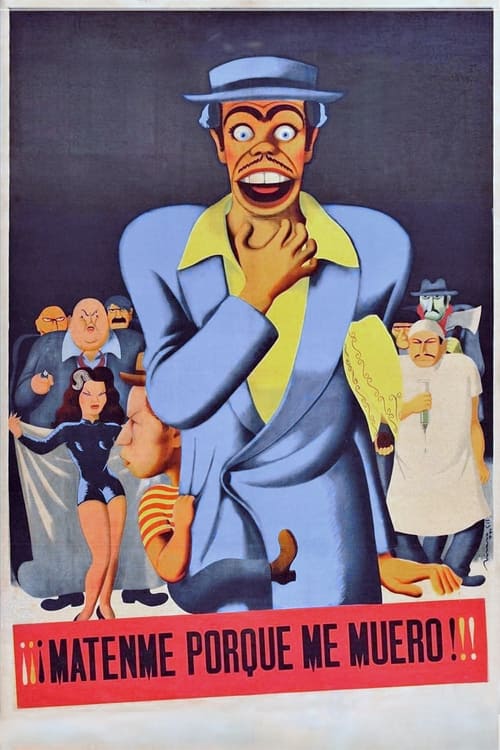
Kill Me Because I'm Dying!!!
1951
No user ratings available yet
Representation score: 4.9 out of 10
Representation Score
Limited
1953
Director
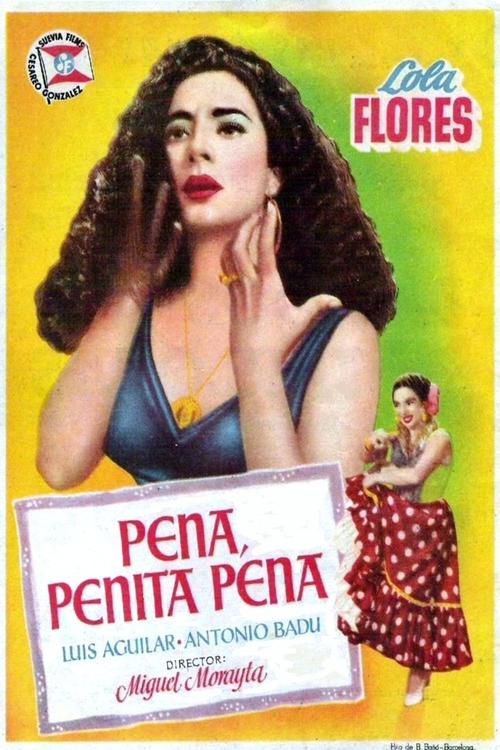
Miguel Morayta
Runtime
95 minutes
Average Rating
No ratings yetNew Showbiz Analysis
Miguel Morayta’s comedy is rooted in mid-century Mediterranean clichés. While the film offers a central character with ethnic depth, it remains anchored in conventional social structures. The narrative provides a degree of female empowerment through Carmela’s professional achievements, yet her emotional journey is defined by her relationship with men. This creates a tension between her personal success and her romantic dependence. Ultimately, the film operates as a traditional tale of luck and longing. It centers a Romani identity but does so within a framework that prioritizes standard romantic and social resolutions.
Category Breakdown
The film does not include any characters with LGBTQ+ identities or same-sex relationships. The main storyline revolves around a bullfighter.
Carmela is a strong female lead who achieves professional success. However, her actions are primarily driven by her pursuit of a romantic relationship with a man.
The story includes a Romani singer who adds cultural richness to the narrative. The plot explores migration between Spain and Mexico through this character.
The movie uses traditional themes of fate and luck. It employs the lottery as a humorous tool for social mobility without critiquing societal issues.
There are no visible or hidden disabilities shown in the main character arcs.
Present on Screen
Limited or Absent
Official Synopsis
Carmela is a Gypsy singer who sells lottery tickets. She meets two penniless Mexican brothers and they buy a ticket between the three: if it is awarded, could share the prize and go to Mexico, they to return to their homeland and her for bullfighter boyfriend whom has no news. The fate accompanies them, but, on reaching Mexico, her boyfriend rejects her. This way, she ends up acting in a cafe where reaps many successes.
1951
1951
1952
1945

1956
1958
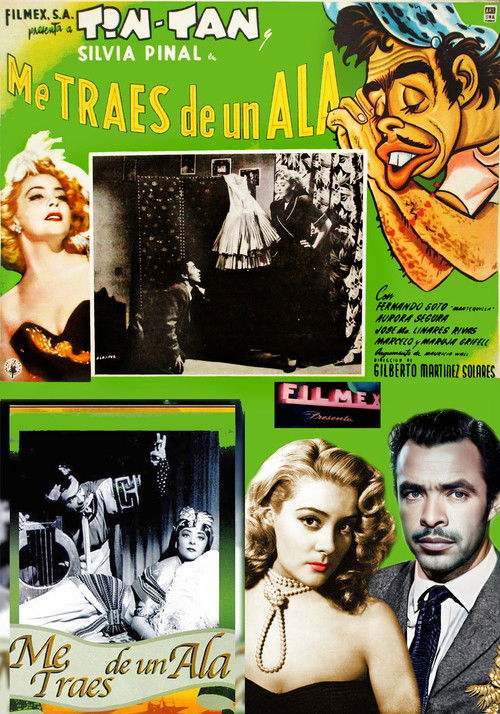
1953
1958
No reviews yet. Be the first to share your thoughts on this movie!
Use the rating form above to leave a star rating and optional review.