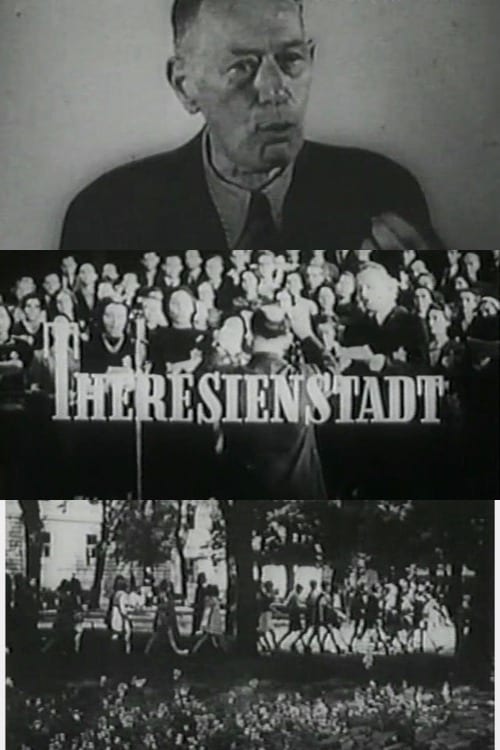
Theresienstadt
1944
No user ratings available yet
Diversity score: 1.5 out of 10

2011
Director
Ray Comfort
Runtime
33 minutes
Average Rating
No ratings yetSynopsis
180 (2011) boldly confronts abortion as modern genocide. Ray Comfort uses Holocaust imagery—11 million murdered under Hitler—to expose ignorance via street interviews, asking if people would kill baby Hitler. He then equates 50M+ U.S. abortions to the "American Holocaust," forcing viewers to face the moral horror of child-killing. No evasion: equates elective abortion with premeditated murder of innocent image-bearers. Powerful pro-life wake-up call from Living Waters, ending with urgent repentance. Uncompromising truth exposing bloodguilt. (33 min)
Overall Score
Minimal
Category Breakdown
LGBTQ+ Representation
The film contains no LGBTQ+ characters or exploration of non-heteronormative identities. It maintains a strictly traditionalist moral framework without engaging with queer perspectives.
Gender Representation
The narrative operates within a traditionalist paradigm that aligns with conservative social structures. It seeks to establish an authoritative moral standard rather than subverting gender hierarchies.
Racial & Ethnic Diversity
While street interviews include various members of the public, race is not a central theme. The film focuses on universalizing theological arguments rather than exploring intersectional or post-colonial perspectives.
Religious & Cultural Diversity
This is a direct expression of traditional Western religious values. It functions as an anti-secularist tool, positioning Christian morality as the ultimate source of truth against secular viewpoints.
Disability Representation
There is no evidence that disability, neurodivergence, or chronic illness are addressed as narrative elements or character traits within the film.
Strengths
Areas for Improvement
AI Analysis
180 functions as a vehicle for traditionalist religious instruction rather than a diverse narrative. The film uses a comparative framework between historical atrocities and contemporary social issues to reinforce established moral hierarchies. By centering its arguments on absolute Christian doctrine, the production actively rejects moral relativism. It prioritizes the preservation of traditional religious values over the inclusion of marginalized identities or the subversion of social norms. Ultimately, the work lacks intersectional complexity. It is designed to uphold religious authority, positioning it in direct opposition to secular or progressive social frameworks.
1944

2020
1960
2005
1994
1940
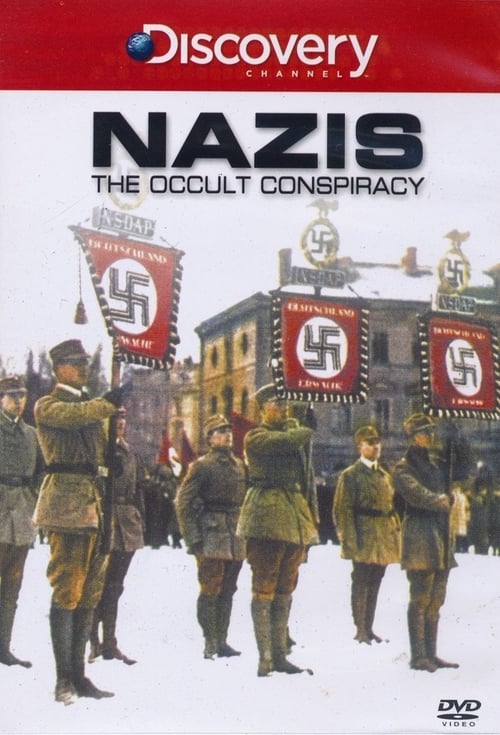
1998
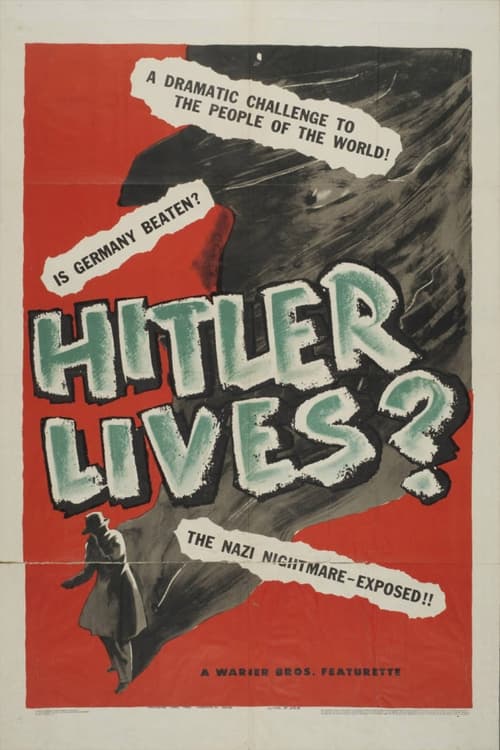
1945
2014
1945
2011
2002
No reviews yet. Be the first to share your thoughts on this movie!
Use the rating form above to leave a star rating and optional review.