
Hitler's Supergun
2015
No user ratings available yet
Diversity score: 1.9 out of 10
No Poster Available
1994
UNRATEDDirector
Ted Newsom
Runtime
90 minutes
Average Rating
No ratings yetSynopsis
Documentary describing the rise of Nazi Germany and the resultant Holocaust, with a focus on the lives of two Germans with vastly different attitudes and agendas, Oskar Schindler and Adolf Hitler.
Overall Score
Limited
Category Breakdown
LGBTQ+ Representation
The film focuses on historical figures from the Nazi era. There is no evidence of LGBTQ+ characters or narratives addressing non-cisnormative identities.
Gender Representation
The narrative centers on the agendas of two primary male figures, Hitler and Schindler. This framing prioritizes male-driven political and moral agency.
Racial & Ethnic Diversity
While the Holocaust involves the persecution of diverse groups, the focus remains on the lives of two Germans. Marginalized groups appear primarily through a lens of victimhood.
Religious & Cultural Diversity
The documentary functions as a historical chronicle of mid-20th-century European politics. It lacks a critique of Western institutions or the deconstruction of traditional norms.
Disability Representation
There is no specific evidence regarding the portrayal of individuals with physical or neurodivergent disabilities.
Strengths
Areas for Improvement
AI Analysis
This documentary employs a comparative biographical framework, juxtaposing the lives of Adolf Hitler and Oskar Schindler. By centering the narrative on these two German men, the film adopts a traditional patriarchal lens of historical storytelling. While the subject matter inherently involves the systemic persecution of various ethnic and racial groups, the film's focus remains on individual German agency. This approach limits the narrative depth of marginalized groups, who are framed by the historical context rather than as characters with high agency. Ultimately, the film serves as a pedagogical historical account rather than a tool for social critique. It adheres to conventional storytelling structures that prioritize male-driven political and moral narratives over intersectional representation.
2015
1945
2000
2017

2015

2020
2013
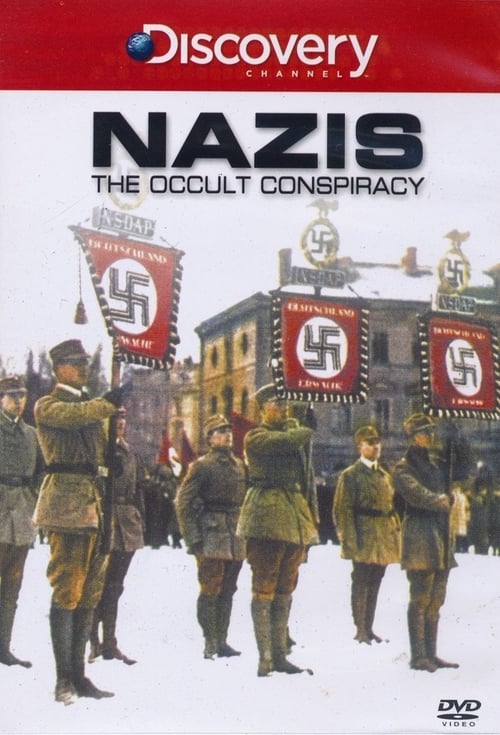
1998
1944

2011

2009
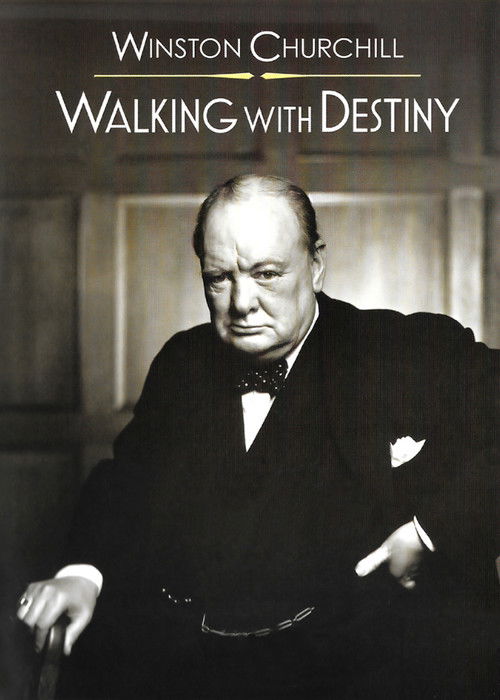
2010
No reviews yet. Be the first to share your thoughts on this movie!
Use the rating form above to leave a star rating and optional review.