Executions
1995
No user ratings available yet
Representation score: 5.8 out of 10
Representation Score
Minimal
2011
PGDirector
Arnaud Gaillard, Florent Vassault
Average Rating
No ratings yetNew Showbiz Analysis
Honk! is a visceral character study that emphasizes psychological intensity over demographic diversity. It uses a homogeneous social structure to explore the mechanics of peer-group cruelty and the erosion of communal morality. While the film offers a critique of social institutions and the failure of empathy, it does so through a narrow lens focused on traditional, aggressive masculine dynamics. The narrative lacks complexity in representing various identities and backgrounds. Ultimately, the work serves as a study of systemic social failure rather than an exercise in inclusive representation, focusing on a localized, white, male-dominated environment.
Category Breakdown
The film does not include any representation of non-binary or transgender identities. It focuses solely on a male-dominated peer group and a single male protagonist.
The story is centered around aggressive, traditional masculinity. Women have minimal roles and ability to act in the narrative.
The film is set in rural France and features a predominantly white cast. It examines a homogeneous social structure.
The film highlights the breakdown of social cohesion and community structures. It portrays the cruelty and lack of empathy in peer groups.
There are no characters with visible or invisible disabilities in the film. The focus is on psychological trauma rather than neurodivergence or physical disabilities.
Present on Screen
Limited or Absent
Official Synopsis
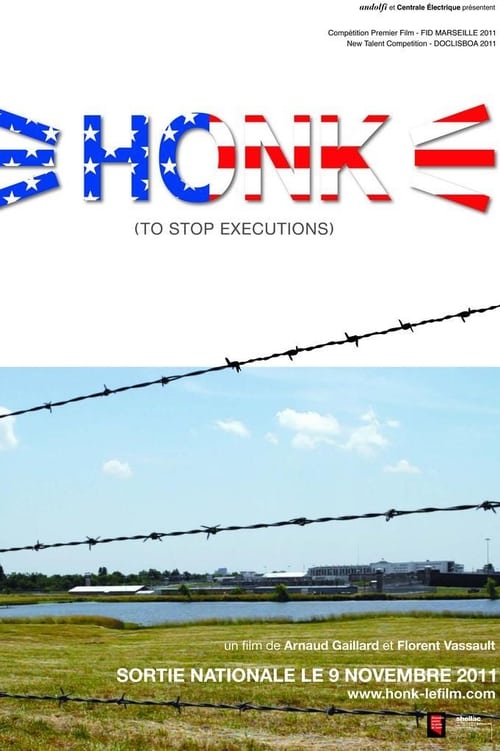
The death penalty still holds sway in the United States. Three painful encounters bear witness to this.
1995
1978

2018
2015
2017

2011
2016

2020
No reviews yet. Be the first to share your thoughts on this movie!
Use the rating form above to leave a star rating and optional review.