Ears of Experience
1938
No user ratings available yet
Diversity score: 1.8 out of 10

1936
ApprovedDirector
Leslie Goodwins
Runtime
21 minutes
Average Rating
No ratings yetSynopsis
Henry Morton just wants to go fishing. Little things thwart him: Maxine the maid makes noise, Sonny, a lad in the household, makes a mess, and Henry's wife wants the car for shopping. A newly arrived friend, Bert, suggests that Henry fake his own death, don a disguise and appear as Bert's English valet, and skulk about. They'll mourn and the truth can later be revealed. Sonny hears the entire plan and alerts Henry's wife and the rest of the household. Only Maxine is in the dark. Henry's wife gives the valet an attic room, throws herself in his arms, complains about her late husband, and sends Henry into a tizzy. He and Bert set up a séance to try to fix their ruse.
Overall Score
Limited
Category Breakdown
LGBTQ+ Representation
The film lacks any LGBTQ+ characters or non-heteronormative identities. The plot centers entirely on traditional heterosexual marriage and male friendship.
Gender Representation
The story relies on the 'henpecked husband' trope, framing women as domestic annoyances. While the wife shows agency, it is used for comedic effect within traditional hierarchies.
Racial & Ethnic Diversity
The setting appears to be a homogeneous Western household. There is no evidence of a diverse cast or non-Anglo-Saxon characters.
Religious & Cultural Diversity
The narrative focuses on the sanctity of the nuclear family and domestic service. It utilizes standard Western social structures to drive its farce.
Disability Representation
There is no mention of characters with visible or invisible disabilities in the narrative.
Strengths
Areas for Improvement
AI Analysis
One Live Ghost is a standard 1930s domestic farce that operates strictly within the social norms of its era. The comedy is derived from situational mishaps and traditional archetypes rather than any attempt to subvert systemic hierarchies or introduce diverse perspectives. The film reinforces a homogeneous worldview, focusing on a white, middle-class domestic setting. It lacks representation of LGBTQ+ identities, diverse racial backgrounds, or characters with disabilities, making it a product of its specific historical context. Ultimately, the film functions as a period piece that utilizes conventional gender roles and social structures to fuel its comedic momentum, offering little in the way of intersectional or inclusive storytelling.
1938
1936
1952
1931
1931
1945
1934
1936
1927

1944
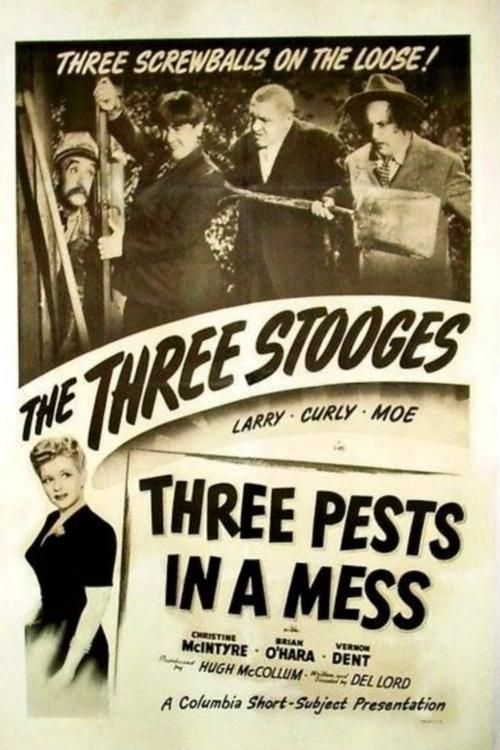
1945
1936
No reviews yet. Be the first to share your thoughts on this movie!
Use the rating form above to leave a star rating and optional review.