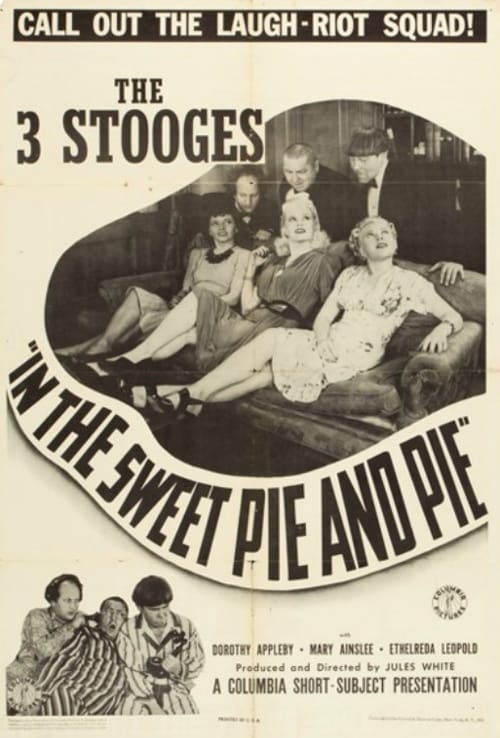
In the Sweet Pie and Pie
1941
No user ratings available yet
Representation score: 0.1 out of 10
Representation Score
Minimal
1939
NRDirector
Jules White
Runtime
18 minutes
Average Rating
No ratings yetNew Showbiz Analysis
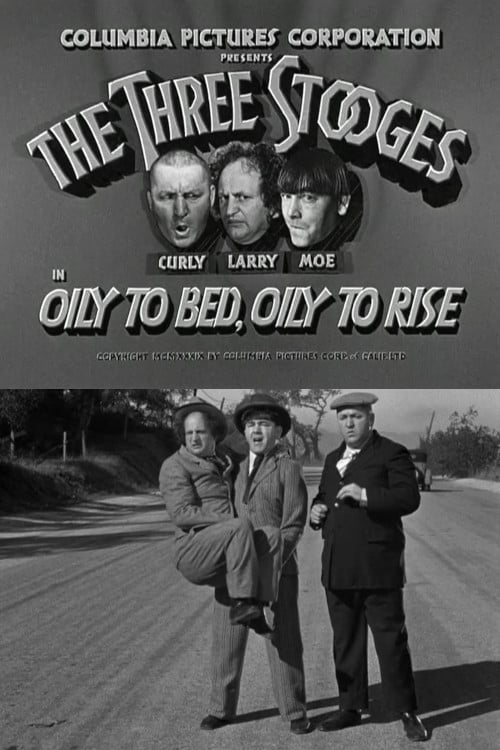
This Three Stooges short is a product of its era, prioritizing traditional slapstick humor over any exploration of identity. The narrative reinforces existing social hierarchies rather than challenging them. The film relies on traditional gender roles and straight relationships to drive its comedy. It operates within a narrow, homogeneous framework typical of 1930s American media. Ultimately, the work lacks diversity across all measured categories, focusing instead on conventional social stability and physical humor.
Category Breakdown
The film strictly follows conventions that assume everyone is straight or cisgender. The plot focuses on marriage and traditional romantic relationships, excluding any representation of LGBTQ+ identities.
Female characters mainly serve as catalysts for the plot or prizes for the male protagonists. Despite holding wealth, they have little individual influence or control over their own stories.
The cast appears uniform, reflecting Anglo-centric casting norms of the time. There is no visible effort to include diverse ethnic backgrounds.
The story upholds Western social structures and emphasizes the importance of property ownership. It aligns with conservative ideals about domestic life and the nuclear family.
Characters with disabilities are not shown with real influence or ability to act. Slapstick comedy relies on physical clumsiness rather than meaningful representation of disability.
Present on Screen
Limited or Absent
Official Synopsis
Once again, the Stooges are three hapless tramps. After nearly destroying a farmer's (Richard Fiske) pile of firewood, the boys come to the assistance of the Widow Jenkins (Eva McKenzie), who has just been cheated out of her land by a trio of swindlers (Dick Curtis, Eddie Laughton, James Craig). Attempting to fix the woman's well, the Stooges instead unleash an oil geyser. They manage to retrieve the deed to the land and are allowed to marry the now wealthy Widow Jenkins' daughters. Moe tells Curly to wish for quintuplets, and Curly replies, "We'll honeymoon in Canada!" (a reference to the Dionne quintuplets).
1941
1933
1952
1933
1944
1939
1952

1957
No reviews yet. Be the first to share your thoughts on this movie!
Use the rating form above to leave a star rating and optional review.