
The Magnificent Tramp
1959
No user ratings available yet
Representation score: 5.0 out of 10
Representation Score
Fair
1929
Director
André Sauvage
Runtime
17 minutes
Average Rating
No ratings yetNew Showbiz Analysis
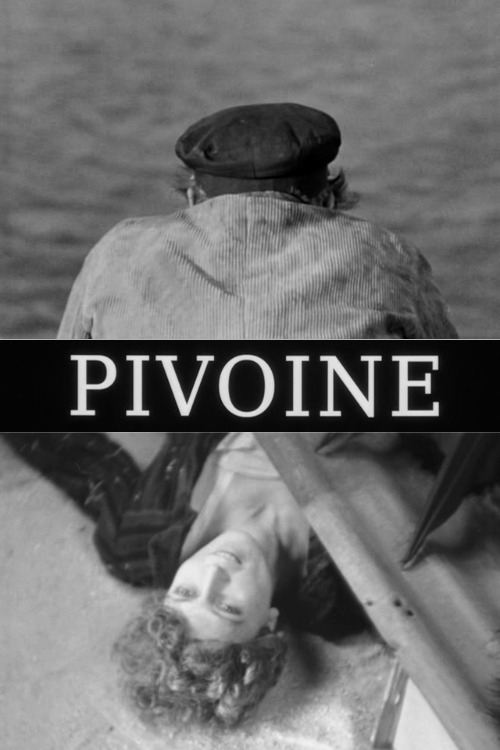
Pivoine is a social realist film that highlights the lives of those on the margins of society. It focuses on a tramp and his companions, shifting the spotlight from the dominant classes to the less fortunate. Though the film lacks modern identity-based representation like LGBTQ+ themes or explicit racial subversion, it effectively critiques the systemic pressures of 1920s Paris through the struggles of the disenfranchised. Ultimately, the film's strength lies in its naturalistic portrayal of social stratification, offering insight into the hardships faced by the lower socioeconomic classes.
Category Breakdown
There are no LGBTQ+ characters or narratives in the film. The story does not question the assumption that everyone is straight or cisgender.
The film includes female characters like Macaroni and Georgette, but their roles in driving the story are unclear. The focus is on shared misfortune rather than challenging gender hierarchies.
The film likely reflects the demographics of 1929 France. Without specific casting information, it seems to follow the typical patterns of the time.
By centering on misfits and those excluded from society, the film critiques the social order through the struggles of the urban poor.
No specific disabilities are mentioned. However, the tramp archetype often involves physical hardship or social isolation, though this is speculative without concrete evidence.
Present on Screen
Limited or Absent
Official Synopsis
Pivoine, a tramp living on the docks near Notre Dame, Macaroni and Georgette are his companions in misfortune. Could no longer bear the insults of passersby and stone throwing children, Pivoine decided to move...
1959

1932

1932

1938

1935
1927
1925

1924
No reviews yet. Be the first to share your thoughts on this movie!
Use the rating form above to leave a star rating and optional review.