
Passing Fancy
1933
No user ratings available yet
Representation score: 5.3 out of 10
Representation Score
Limited
1935
NRDirector
Henry King
Runtime
87 minutes
Average Rating
No ratings yetNew Showbiz Analysis
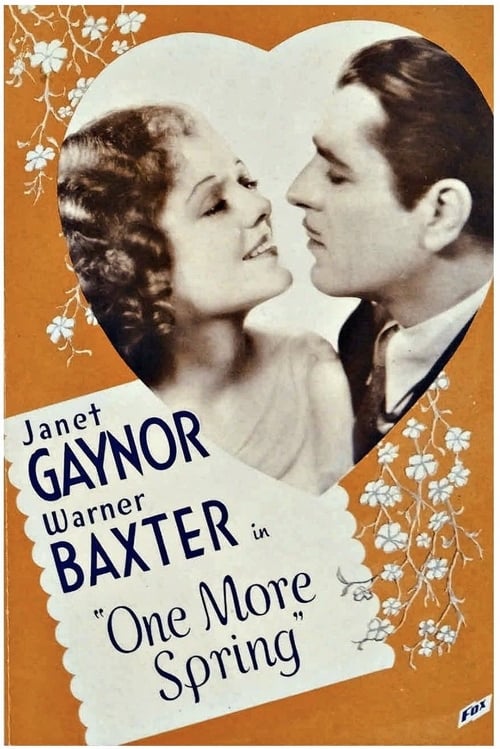
One More Spring provides a sentimental glimpse into the social anxieties of the Great Depression. It excels in portraying the human struggle for survival and the fragility of the middle class. By focusing on characters facing homelessness, the film critiques the failure of economic systems to ensure security. However, the film remains bound by the constraints of its time. It lacks meaningful multi-layered complexity regarding racial and ethnic representation and adheres to traditional gender and romantic social scripts. The narrative emphasizes communal resilience rather than challenging established power dynamics. Ultimately, One More Spring is a period-specific exploration of economic displacement that prioritizes human connection over political or social subversion.
Category Breakdown
The film does not include any representation of LGBTQ+ identities or non-cisgender narratives. It follows the social norms of the 1930s and does not challenge the assumption that everyone is straight or cisgender.
Janet Gaynor plays a central role, providing female characters with emotional depth. However, these character arcs remain within conventional romantic frameworks and do not challenge traditional gender hierarchies.
The story focuses on a predominantly white urban experience in New York City. While some Black performers appear, the narrative lacks multi-layered complexity or a significant role in driving the story for these characters.
The film offers a nuanced look at economic instability during the Great Depression. It highlights communal support and human connection as characters navigate the loss of traditional jobs.
There is no significant evidence regarding the portrayal of physical or neurodivergent disabilities within the narrative.
Present on Screen
Limited or Absent
Official Synopsis
Three people live together in the maintenance shed at Central Park as an alternative to living on the streets.
1933
1942
1929
1921
1927

2002
1931

2012
No reviews yet. Be the first to share your thoughts on this movie!
Use the rating form above to leave a star rating and optional review.