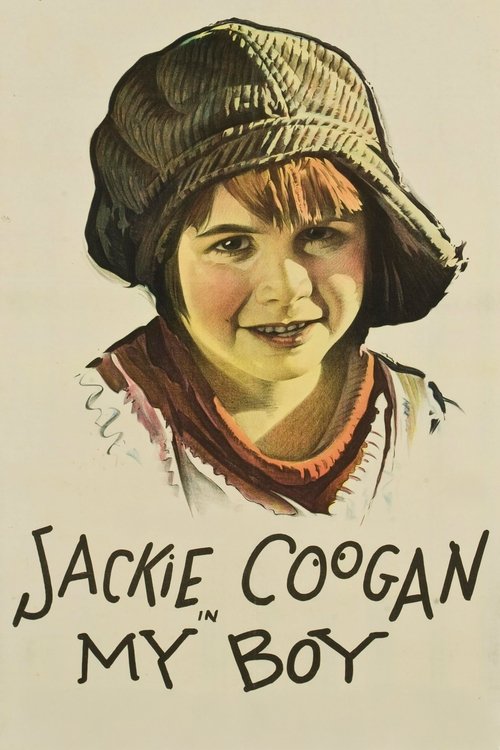
My Boy
1921
No user ratings available yet
Representation score: 1.2 out of 10
Representation Score
Fair
1925
PassedDirector
Edward F. Cline
Runtime
68 minutes
Average Rating
No ratings yetNew Showbiz Analysis
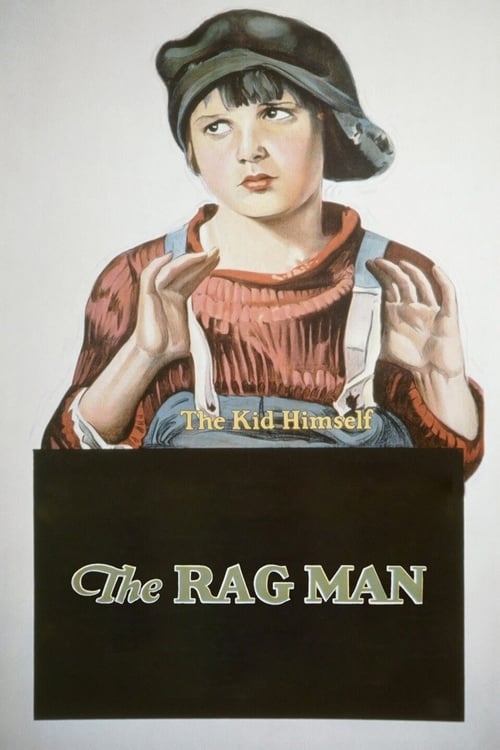
The Rag Man serves as a study of urban survival and socioeconomic struggles during a specific time period. Its primary strength lies in its departure from homogeneous protagonist archetypes by featuring a Jewish character in a central partnership. However, the film adheres closely to the cinematic conventions of 1925, lacking in-depth exploration of diverse identities and focusing mainly on male-driven narratives. Ultimately, the film achieves some diversity by highlighting characters living outside traditional institutional frameworks, offering a glimpse into the lives of the urban disenfranchised.
Category Breakdown
The film does not include any queer narratives or non-straight identities. The main relationship is a platonic friendship between an orphan and an older mentor.
The story emphasizes male companionship and survival, following the traditional gender roles typical of early 20th-century comedies.
The inclusion of Max Ginsberg, a Jewish junk dealer, adds meaningful ethnic representation. His partnership helps diversify the cast beyond Anglo-centric roles.
The narrative highlights life on the fringes through themes of systemic instability and institutional failure. It focuses on the experiences of those underrepresented in urban New York.
Max Ginsberg is shown with rheumatism, introducing a physical ailment to the story. It is unclear if this condition allows him to take a leading role or merely serves as a point of sympathy.
Present on Screen
Limited or Absent
Official Synopsis
Tim Kelly is an orphan who runs away after his orphanage burns down. Presumed to be killed in the fire, he is able to roam the streets of New York City freely. He meets Max Ginsberg, an old Jewish junk dealer with rheumatism, and the two strike a partnership and a close friendship.
1921
1937
1918
1928
1929

1921
1935
1936
No reviews yet. Be the first to share your thoughts on this movie!
Use the rating form above to leave a star rating and optional review.