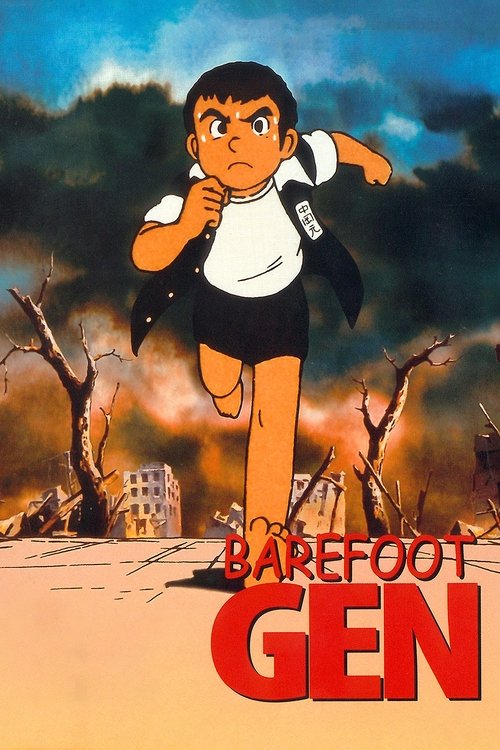
Barefoot Gen
1983
No user ratings available yet
Representation score: 6.5 out of 10
Representation Score
Good
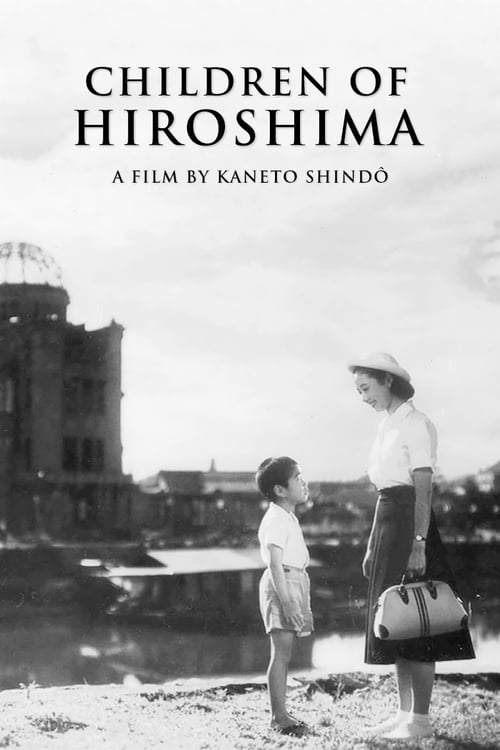
1952
Not RatedDirector
Kaneto Shindō
Runtime
97 minutes
Average Rating
No ratings yetNew Showbiz Analysis
Kaneto Shindō’s work is a masterclass in social realism, shifting the cinematic gaze away from military strategy toward the systemic trauma of civilian populations. By centering the lived experiences of the hibakusha, the film provides an authentic, localized perspective that challenges dominant Western geopolitical narratives. The film excels in its visceral, unvarnished portrayal of disability and ethnic identity. Rather than treating physical or mental trauma as secondary, the narrative integrates these struggles into the characters' roles and survival. While the film lacks modern markers of diversity like LGBTQ+ representation, its profound deconstruction of institutional power and its empathetic focus on underrepresented survivors create a powerful, humanistic portrait of history.
Category Breakdown
The film centers on the collective survival of youth in a post-war landscape. There are no visible queer narratives or non-cisgender identities present.
Women and children play significant roles in driving the story while navigating the city's ruins. The film avoids traditional patriarchal clichés by showing how catastrophe renders old hierarchies ineffective.
The narrative offers a vital non-Western perspective on a global event. By centering Japanese survivors, it resists the orientalism common in mid-century international cinema.
The story serves as a critique of Western hegemony and the military-industrial complex. It frames the nuclear deployment as a profound ethical and geopolitical failure.
Radiation sickness and psychological trauma are treated as central, integral parts of identity. The film avoids using disability as a mere plot device or inspiration porn.
Present on Screen
Limited or Absent
Official Synopsis
Shows the devastation caused by the atomic bomb, and by use of a fictional storyline, portrays the struggle of the ordinary Japanese people in dealing with the aftermath.
1983
1959

1990

1984
2008
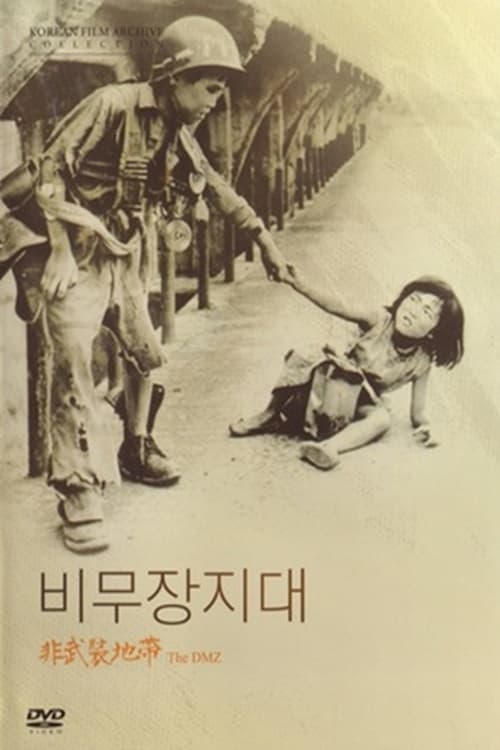
1965
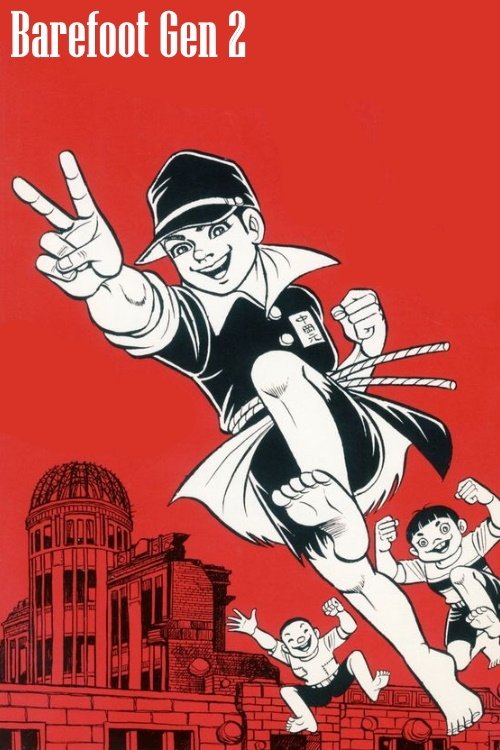
1986
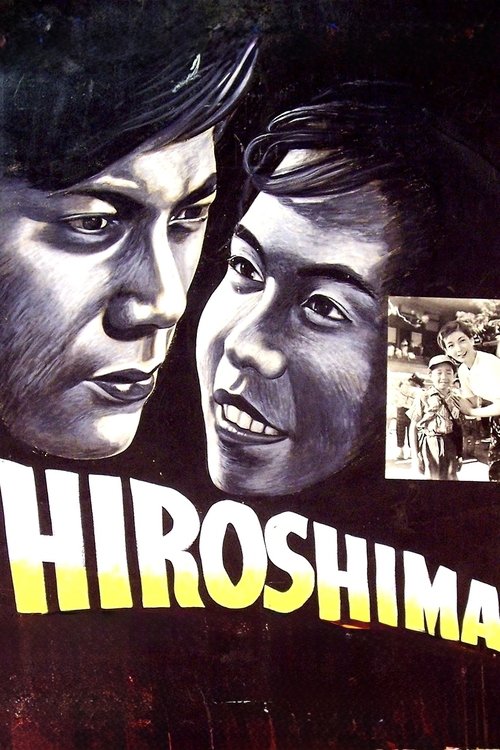
1953
No reviews yet. Be the first to share your thoughts on this movie!
Use the rating form above to leave a star rating and optional review.