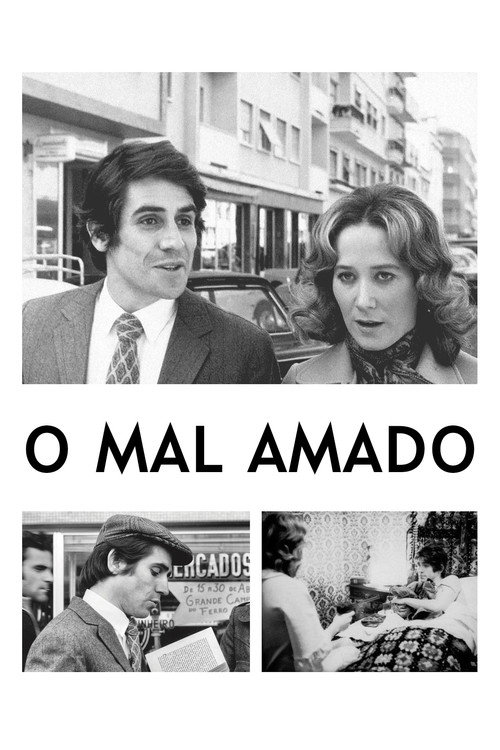
O Mal-Amado
1974
No user ratings available yet
Representation score: 3.9 out of 10
Representation Score
Good
1967
Director
Júlio Bressane
Runtime
72 minutes
Average Rating
No ratings yetNew Showbiz Analysis
Júlio Bressane’s work functions as a powerful subversion of traditional cinematic and social hierarchies. By utilizing a fragmented, non-linear structure, the film rejects the ordered, cohesive morality typical of mainstream Western storytelling. The film's strength lies in its narrative structure, which uses psychological chaos to critique institutional reliability. It moves away from stable domesticity and traditional leadership, favoring a more radical, subjective experience. However, the film lacks explicit markers of diverse identities. While it challenges social norms through its avant-garde style, it provides little overt representation regarding LGBTQ+ identities or specific racial diversity.
Category Breakdown
The film focuses on existential fragmentation rather than identity politics. There is no explicit evidence of non-straight or non-cisgender identities or same-sex intimacy within the narrative.
The story challenges traditional masculine stereotypes by portraying the protagonist through psychological instability. It avoids the cliché of the stable, competent patriarch in favor of social disintegration.
Set within the Brazilian Cinema Novo movement, the film deviates from Eurocentric narrative logic. It explores urban Brazilian alienation rather than homogeneous Western family structures.
The film excels at deconstructing Western institutions through fragmented storytelling. It critiques bourgeois social structures and the corruption of political systems by prioritizing subjective truth.
Mental health and psychological alienation serve as central themes. However, these portrayals function as tools for existential exploration rather than providing characters with specific control over their actions.
Present on Screen
Limited or Absent
Official Synopsis
The story of a civil servant who lives with his elderly mother. Falling in love with a corrupt politician's young and rich daughter, he abandons himself to crazy and violent situations.
1974
1961
1985
1962
1965

1961

1980

1969
No reviews yet. Be the first to share your thoughts on this movie!
Use the rating form above to leave a star rating and optional review.