In Spring
1929
No user ratings available yet
Diversity score: 5.6 out of 10
1943
Director
Yuliya Solntseva, Oleksandr Dovzhenko
Runtime
71 minutes
Average Rating
No ratings yetSynopsis
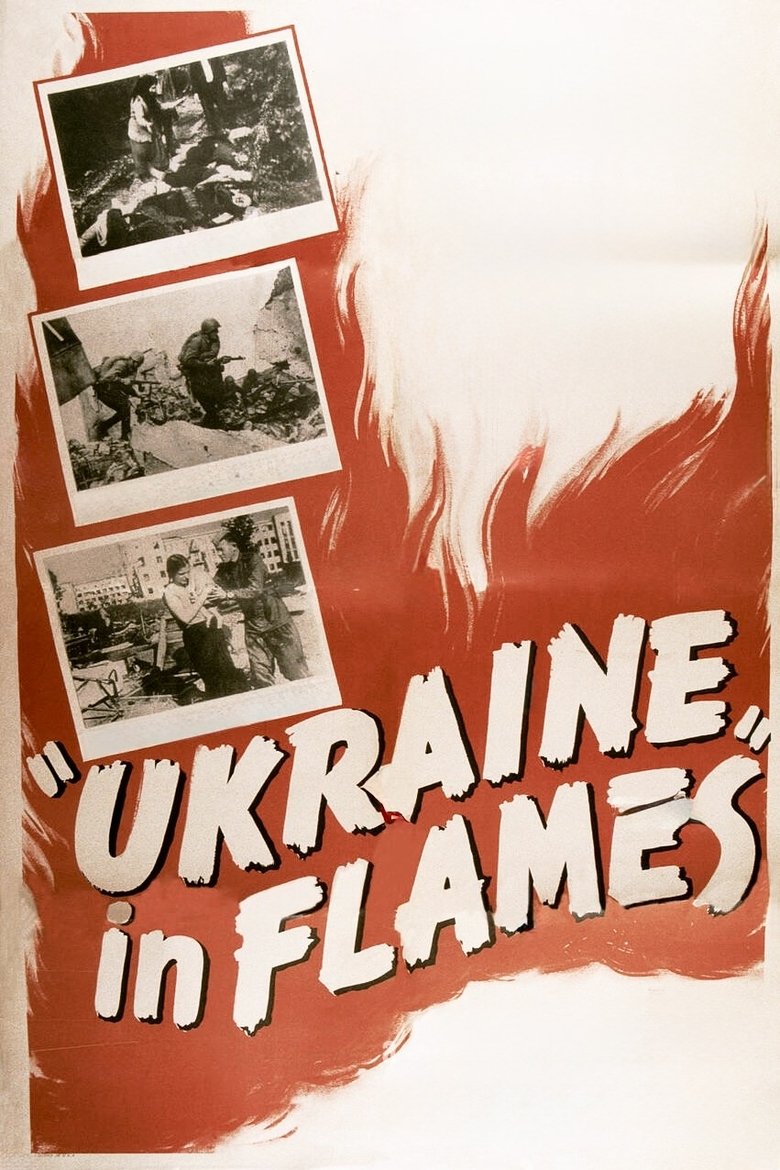
A 1943 Soviet war propaganda film by Ukrainian director Oleksandr Dovzhenko and Yuliya Solntseva. It is Dovzhenko's second World War II documentary, and dealt with the Battle of Kharkiv. The film incorporates German footage of the invasion of Ukraine, which was later captured by the Soviets.
Overall Score
Fair
Category Breakdown
LGBTQ+ Representation
The film operates within a strictly heteronormative and state-sanctioned social framework. There is no evidence of non-cisnormative gender identities or same-sex intimacy.
Gender Representation
Women are depicted as active participants in labor and partisan activities rather than passive figures. This portrayal subverts the 'helpless female' trope by centering women within the resistance mobilization.
Racial & Ethnic Diversity
The narrative focuses heavily on Slavic and Ukrainian ethnic identity as a unified front. It emphasizes a shared ethnic struggle through the Ukrainian peasantry and the Red Army.
Religious & Cultural Diversity
The film prioritizes collectivism over individualism, framing strength as a communal force. It explicitly critiques Western hierarchies in favor of a centralized, ideological communalism.
Disability Representation
There is no discernible focus on disability or neurodivergence. Characters are presented solely through the lens of physical capability required for wartime survival and labor.
Strengths
Areas for Improvement
AI Analysis
Ukraine in Flames serves as a sophisticated piece of ideological architecture, using the documentary format to construct a specific national identity. It succeeds in subverting traditional gendered passivity by presenting a mobilized female population essential to the socio-political struggle. However, the film's scope is narrow, focusing almost exclusively on a unified Slavic ethnic front. This results in a lack of multicultural intersectionality or diverse ethnic representation beyond the immediate struggle of the Ukrainian people. Ultimately, the work achieves its goals by deconstructing individualistic frameworks in favor of state-oriented collectivism. While it lacks representation for LGBTQ+ identities and disability, it remains a powerful example of cinema used to build a specific, non-Western social reality.
1929
1937
1979
1924
2010
1934
1939

1930
1934
1923

1939
2022
No reviews yet. Be the first to share your thoughts on this movie!
Use the rating form above to leave a star rating and optional review.