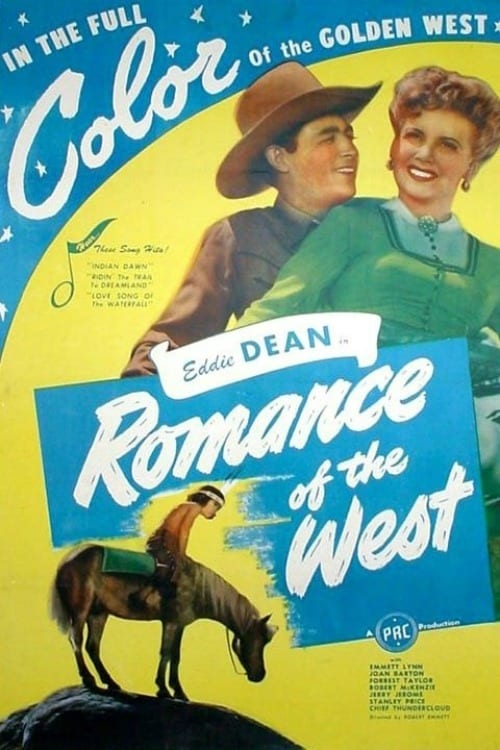
Romance of the West
1946
No user ratings available yet
Representation score: 3.1 out of 10
Representation Score
Limited
1949
NRDirector
John English
Runtime
68 minutes
Average Rating
No ratings yetNew Showbiz Analysis
The film is a standard mid-century Western that reflects the era's traditional narrative hierarchies. While it moves beyond a purely Anglo-Saxon cast by including Indigenous characters and addressing systemic exploitation, it remains tethered to conventional genre clichés. The central conflict involves the suffering of an Indigenous community, yet the ability to act to resolve these injustices is primarily held by the white protagonist. This structure reinforces the 'White Savior' archetype rather than providing true ethnic autonomy. Ultimately, the film functions as a traditional genre piece. It focuses on clear moral binaries and individual heroism rather than attempting any intentional social or cultural subversion.
Category Breakdown
The film does not include any LGBTQ+ characters or narratives. It adheres to the traditional masculine archetypes typical of 1949 Western cinema.
Men like Gene, Lakhona, and Martin play significant roles in driving the story. Women are likely relegated to passive or domestic roles, with limited control over their own lives.
Indigenous characters are present, but the story relies on the 'White Savior' cliché. While it addresses systemic malnutrition and exploitation, the white protagonist mediates the resolution.
The plot critiques predatory commerce through a conflict between a underrepresented group and a capitalist antagonist. However, it follows a standard moral struggle rather than exploring complex cultural perspectives.
There is no evidence of characters with visible or invisible disabilities within the film's narrative.
Present on Screen
Limited or Absent
Official Synopsis
Finding Indians stealing from his ranch, Gene learns they are suffering from malnutrition. Store owner Martin is cheating them and now he is after the Chief's valuable necklace. When the dying chief is found, having been attacked and robbed, Martin blames Lakhona who would become the new chief. When Gene helps Lakhona they soon find themselves fleeing from the law.
1946
1940
1948
1959

1946
1965
1941
1963
No reviews yet. Be the first to share your thoughts on this movie!
Use the rating form above to leave a star rating and optional review.