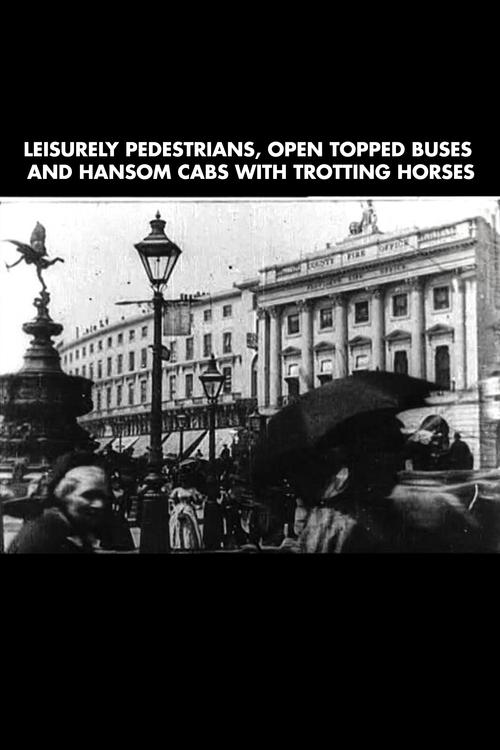
Leisurely Pedestrians, Open Topped Buses and Hansom Cabs with Trotting Horses
1889
No user ratings available yet
Diversity score: 2.1 out of 10
1889
Director
William Friese-Greene
Runtime
1 minutes
Average Rating
No ratings yetSynopsis
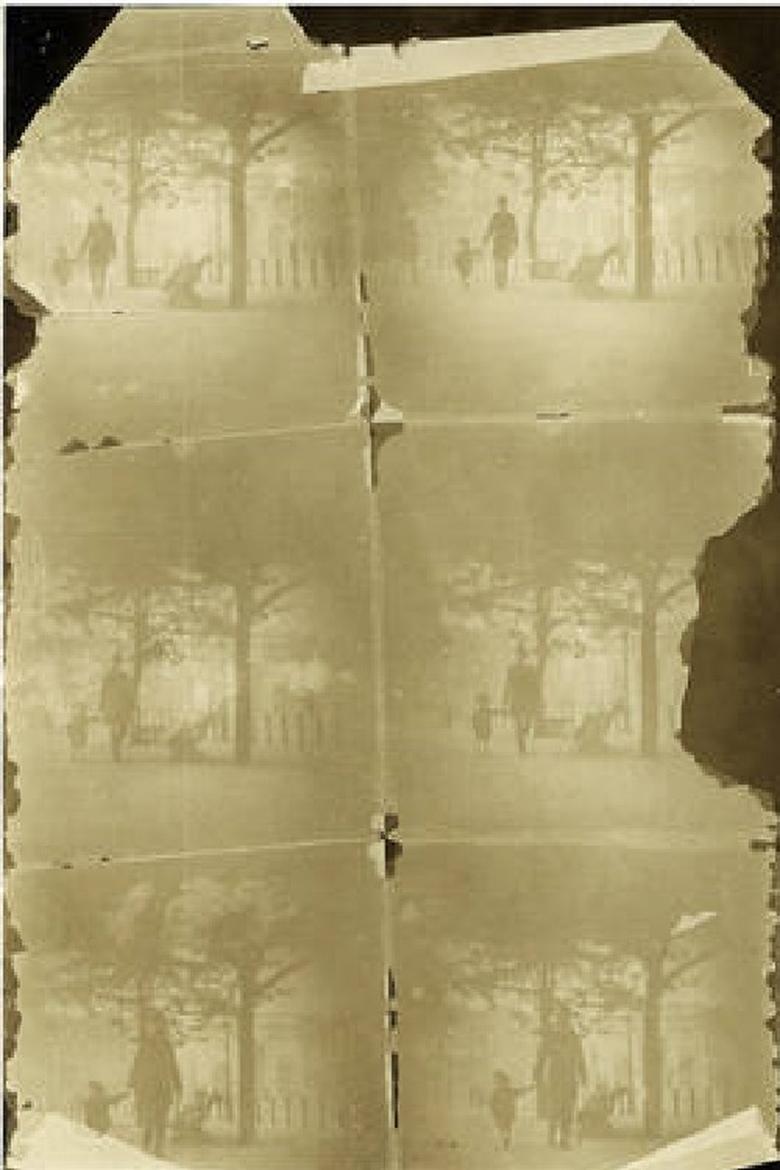
Hyde Park Corner (also known as Leisurely Pedestrians, Open Topped Buses and Hansom Cabs with Trotting Horses) depicts life at Hyde Park Corner in London. It is claimed to be the first film set in London, as well as the first to be filmed on celluloid. It is currently considered a partially lost film, with only 6 possible film frames preserved as part of the Jonathan Silent Film Collection.
Overall Score
Limited
Category Breakdown
LGBTQ+ Representation
The footage contains no evidence of queer identities or non-heteronormative depictions. The observational nature of the work precludes intentional identity-based storytelling.
Gender Representation
Visual evidence is insufficient to evaluate the subversion of gender hierarchies. While pedestrians are captured, no specific agency or subversion is identifiable within the surviving fragments.
Racial & Ethnic Diversity
The setting reflects a period of high colonial homogeneity. Without visible evidence of non-Anglo-Saxon presence, the score reflects the likely historical baseline of 1889 London.
Religious & Cultural Diversity
The film serves as a raw document of Western urban life. It lacks the narrative tools to engage in religious or anti-capitalist critique.
Disability Representation
There is no evidence of characters with visible or invisible disabilities within the surviving frames.
Strengths
Areas for Improvement
AI Analysis
Hyde Park Corner is a foundational historical artifact rather than a narrative film. Because it functions as an observational documentary fragment, it lacks the character development and dialogue necessary to engage with intersectional frameworks. The extreme scarcity of material, with only six frames preserved, makes a deep analysis of subtext impossible. The work captures urban movement in Victorian London rather than constructed cinematic storytelling. Ultimately, the low diversity score reflects the film's status as a non-narrative record from an era characterized by traditional social hierarchies and limited visual preservation.
1889
1890
1888
1900
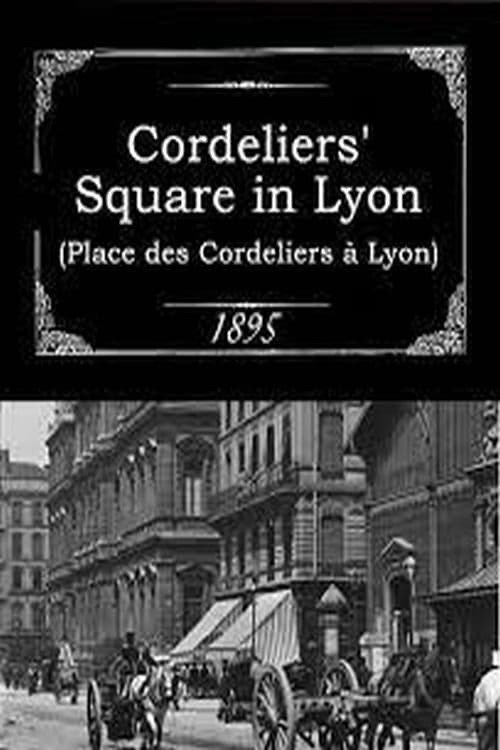
1895
1896
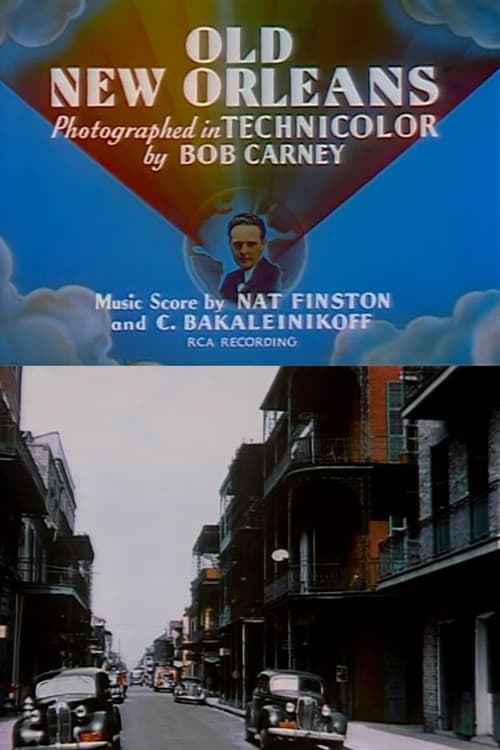
1940
1896
1896
1900
1908
1895
No reviews yet. Be the first to share your thoughts on this movie!
Use the rating form above to leave a star rating and optional review.