Le retour, Place de l'Etoile
1899
No user ratings available yet
Representation score: 0.6 out of 10
Representation Score
Minimal
1896
Director
Louis Lumière, Auguste Lumière
Runtime
1 minutes
Average Rating
No ratings yetNew Showbiz Analysis
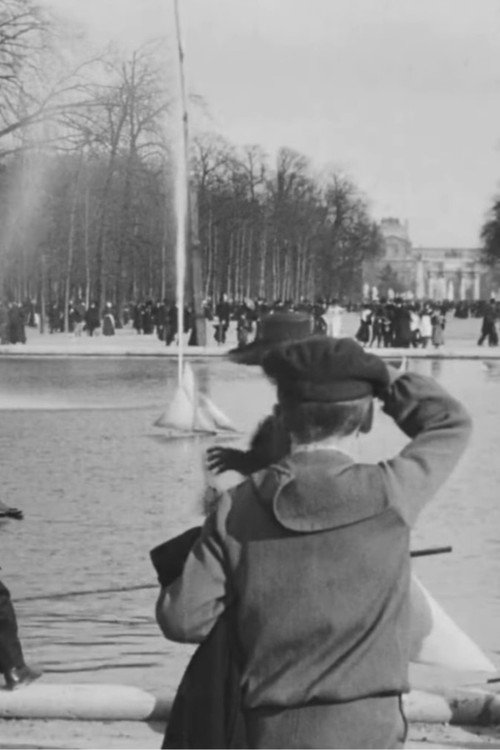
As a foundational documentary short, *Place de l'Opéra* primarily demonstrates the technical capabilities of early motion pictures. It captures a candid, non-narrative slice of life reflecting the social hierarchies of late 19th-century Paris. The work lacks the narrative complexity or intentionality needed for multi-layered commentary. It serves as a historical artifact of its time, providing a realistic but homogeneous view of the Parisian public sphere. Ultimately, the film reflects the demographic and social constraints of its era, presenting a realistic but limited perspective of the time.
Category Breakdown
The film does not show any evidence of queer identities or same-sex relationships. It portrays anonymous pedestrians within a traditional 19th-century social setting.
Women are shown as passive participants within the urban crowd. The footage does not highlight female empowerment or challenge traditional masculinity.
The visual data reflects the demographic homogeneity of 1896 Paris. There is no significant non-white presence in the street scenes.
The film presents a neutral view of Western urban life. It showcases existing societal structures without critique or challenge.
There is no visible or mentioned representation of individuals with disabilities. The footage focuses on general urban movement without specific inclusion.
Present on Screen
Limited or Absent
Official Synopsis
A Paris street scene.
1899
1896
1897
1896
1896
1897
1896
1896
No reviews yet. Be the first to share your thoughts on this movie!
Use the rating form above to leave a star rating and optional review.