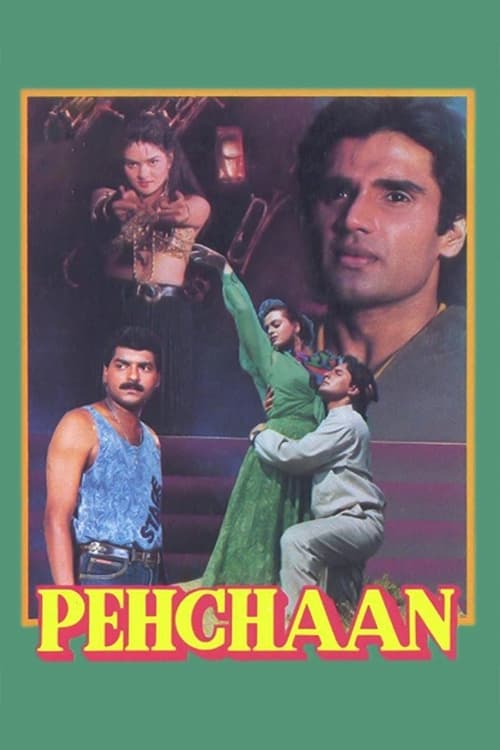
Pehchaan
1993
No user ratings available yet
Representation score: 1.8 out of 10
Representation Score
Limited
1994
Not RatedDirector
Deepak Bahry
Runtime
160 minutes
Average Rating
No ratings yetNew Showbiz Analysis
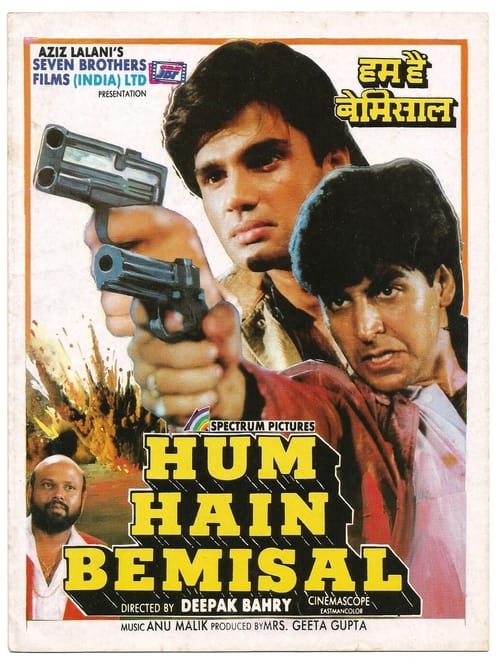
Hum Hain Bemisaal is a quintessential 1990s Bollywood action-drama that prioritizes established genre clichés over social representation. The story revolves around a cycle of vengeance and paternal mentorship, anchoring the film in traditional masculine archetypes. The narrative structure reinforces conventional social hierarchies. By focusing on male-driven conflict and institutional corruption through a personal lens, the film lacks the intentionality needed to challenge standard cinematic expectations regarding identity or systemic power dynamics. Ultimately, the film functions as a culturally specific crime drama rather than a vehicle for diverse storytelling.
Category Breakdown
The film operates within a framework that assumes everyone is straight or cisgender. There are no queer identities represented in the narrative.
The plot centers on male-driven conflict and patriarchal hierarchies. It emphasizes masculine clichés such as policing and physical altercations, leaving women's ability to drive the story largely unaddressed.
The cast is ethnically homogeneous, reflecting the specific cultural context of the Indian film industry. It does not blend different ethnicities to disrupt traditional hierarchies.
The story critiques institutional corruption through individual morality and personal revenge. It prioritizes traditional notions of justice over progressive systemic deconstruction.
There is no mention of characters navigating physical, sensory, or neurodivergent disabilities. The narrative does not address disability representation.
Present on Screen
Limited or Absent
Official Synopsis
D' Souza witnessed a physical alteration between his friend Kishan and Tootie Shah. As a result of which his friend is killed and he is arrested and sentenced to jail. D' Souza struggles in jail in order to educate and brings up his friend's son. Years later the boy grows up to be a police officer, Vijay Sinha and is a brave police officer of the corrupt police department, who often gets into confrontation with Tootie Shah and is misunderstood. D' Souza wanted Vijay to take revenge on Tootie Shah but Vijay is under a wrong impression and will only ensure total destruction of his father's killer - none other than D' Souza himself.
1993
1990
2001
1997
1995

2002
1997

1994
No reviews yet. Be the first to share your thoughts on this movie!
Use the rating form above to leave a star rating and optional review.