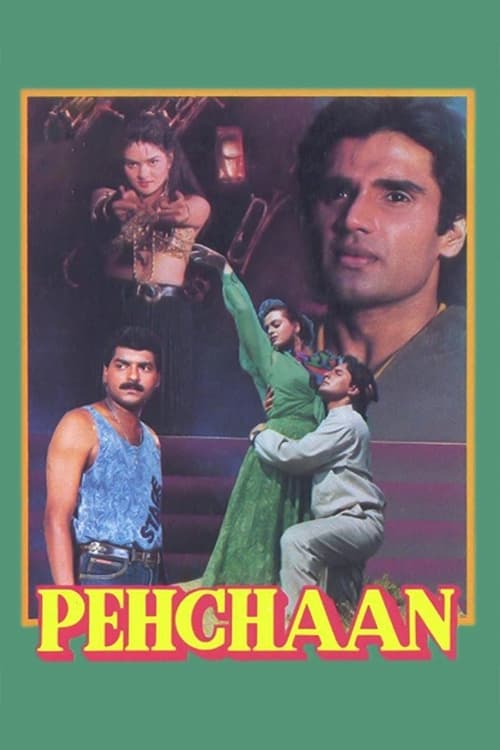
Pehchaan
1993
No user ratings available yet
Representation score: 1.8 out of 10

Representation Score
Limited
1990
Not RatedDirector
Rajkumar Santoshi
Runtime
163 minutes
Average Rating
No ratings yetNew Showbiz Analysis
Ghayal is a classic vigilante drama that prioritizes a critique of institutional corruption over demographic diversity. The narrative focuses on the tension between an individual and a flawed legal system, using moral relativism to justify the protagonist's quest for justice. While the film lacks representation for LGBTQ+ and disabled characters, it provides a nuanced cultural critique. It challenges the notion of the state as a benevolent entity, instead portraying institutions as tools for the powerful. Ultimately, the film's strength lies in its exploration of socioeconomic issues and its challenge to traditional authority, while maintaining conventional gender roles and a homogeneous ethnic cast.
Category Breakdown
The film does not include any LGBTQ+ characters or representations of non-straight relationships. It follows traditional heterosexual romantic structures typical of early 1990s mainstream cinema.
Gender roles remain traditional, with the female lead serving mainly as an emotional support for the male protagonist. The narrative emphasizes male physical prowess and competence.
The cast and setting are predominantly Indian, with diversity shown through socioeconomic differences rather than ethnic variety.
The story questions the reliability of legal institutions by presenting extrajudicial actions as morally necessary. It critiques systemic corruption within established power structures.
There are no prominent depictions of physical or neurodivergent disabilities. Such traits do not play a central role in the plot or character development.
Present on Screen
Limited or Absent
Official Synopsis
Ajay is framed by Balwant Rai for his brother's murder and sent to prison. Later, he befriends three convicts and sets out to seek revenge against Balwant Rai.
1993

2012
1987
1975
1988
1990
1990
1995
No reviews yet. Be the first to share your thoughts on this movie!
Use the rating form above to leave a star rating and optional review.