Ghayal
1990
No user ratings available yet
Representation score: 2.4 out of 10
Representation Score
Minimal
1993
Director
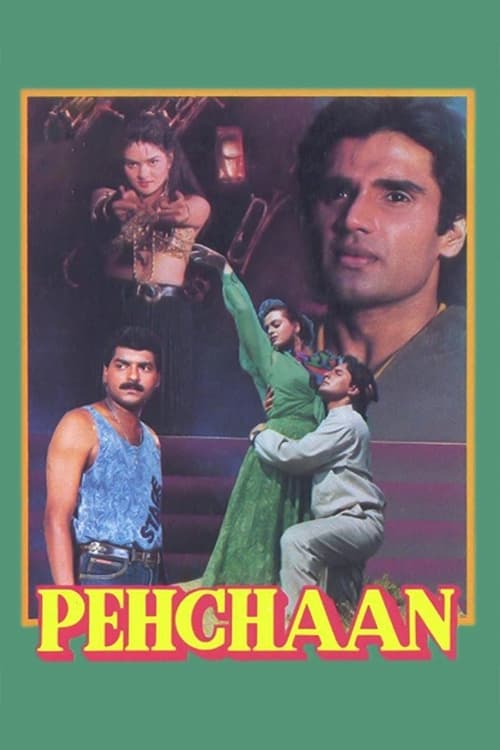
Deepak S. Shivdasani
Runtime
136 minutes
Average Rating
No ratings yetNew Showbiz Analysis
Pehchaan is a conventional 1990s crime drama that emphasizes traditional hierarchies of authority and domestic life. The narrative relies on standard genre clichés, focusing on legal retribution and family tragedy rather than progressive social commentary. The film offers limited depth in representing different aspects of identity and maintains a strictly straight-centered perspective. Female characters have little control over their lives, and there is no critique of the assumption that everyone is straight or cisgender or LGBTQ+ representation. Overall, the film reinforces traditional gender and social roles without exploring diverse or underrepresented perspectives.
Category Breakdown
The film centers on a traditional heterosexual couple, with no representation of LGBTQ+ identities. It does not explore any non-straight relationships or identities.
Women in the film are portrayed in reactive roles, lacking independent ability to act or control over their lives. They serve primarily as plot devices rather than driving the narrative themselves.
The cast is predominantly of a single ethnicity, reflecting a localized Indian production. There is no blending of diverse ethnicities or challenging of racial stereotypes.
The story adheres to traditional moral and family structures, focusing on justice and retribution within a family context. It does not deconstruct or challenge these conventions.
There is no evidence regarding the portrayal of physical or neurodivergent disabilities in this work.
Present on Screen
Limited or Absent
Official Synopsis
A convict by the name of Yogi Shankar is accused of sexual molestation in court. The Judge Jagdish Verma who is responsible for passing Jogi's sentence is well aware of Jogi's behavior as he was once Jogi's defense advocate. With no hesitation Jagdish Verma grant a seven years period of rigorous punishment to Jogi despite his pleadings. The Judge family consists of his wife Urmilla, sons Kunal and Karan Verma; on completion of his seven years sentence Jogi is released from jail and abducts Urmilla, finds out that she is pregnant, ensures that she gives birth to a baby girl Tina and then kills her.
1990

2012

1990
1988
1987

2002
1990
1990
No reviews yet. Be the first to share your thoughts on this movie!
Use the rating form above to leave a star rating and optional review.