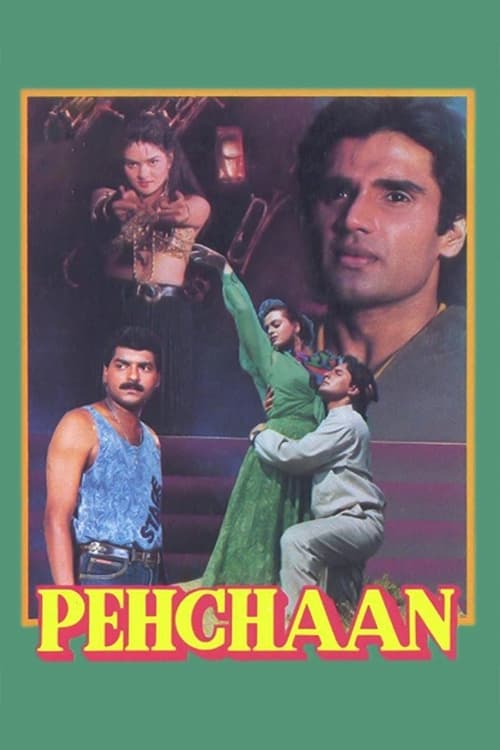
Pehchaan
1993
No user ratings available yet
Representation score: 1.8 out of 10
Representation Score
Limited
1997
Director
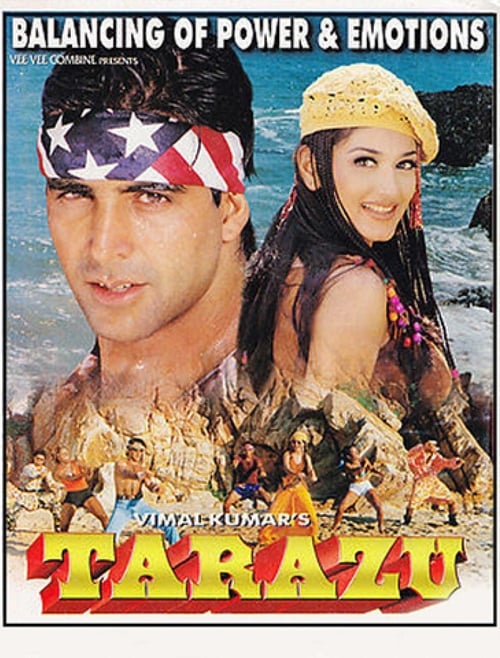
Vimal Kumar
Runtime
144 minutes
Average Rating
No ratings yetNew Showbiz Analysis
Tarazu is a traditional crime drama that emphasizes a singular, heroic narrative of justice and family stability. It adheres closely to the moralistic genre conventions of 1990s Indian cinema, focusing on the conflict between incorruptible law enforcement and systemic corruption. The film relies on established social hierarchies rather than challenging them. While it provides a culturally specific South Asian setting, it lacks the complexity of diverse identity representation found in more contemporary works. Ultimately, the story centers on male control and traditional domestic structures, leaving little room for underrepresented perspectives or non-traditional identities.
Category Breakdown
The film does not include any LGBTQ+ characters or stories that challenge the assumption that everyone is straight or cisgender. The main romantic relationship follows a typical path focused on marriage and domestic life.
Gender roles in the film follow traditional patterns, with the male protagonist acting as the protector. Female characters often serve as catalysts for male action or use domestic strategies to strengthen bonds.
The film focuses on a homogeneous South Asian cultural context. It offers a standard representation of its specific regional environment without blending multiple cultural identities.
The narrative upholds traditional social hierarchies and emphasizes the importance of the family unit. It presents a clear moral contrast between personal honesty and institutional corruption.
There are no characters with physical, sensory, or neurodivergent disabilities in the story.
Present on Screen
Limited or Absent
Official Synopsis
Police Inspector Ram Yadav is a honest, handsome, and incorruptible young man. He lives with his sister-in-law, Shakuntala, and elder brother, Raj . A lovely yet petty thief, Pooja admires Ram so much that she moves in to his house in the guise of a maid-servant, and eventually claims that she is to bear his child. Ram, unable to handle this, agrees to marry her. His duties and investigation lead him to suspect the renowed and influential Appa Rao. Appa Rao is engraged at Ram, and watches and waits for an opportunity to strike back at him. Janardan (Mohnish Behl), Appa Rao's spoiled and way-ward son, initially attempts to pick up a college-girl, when she refuses and humiliates him publicly, he retaliates by setting her on fire in broad daylight, in front of several college students. No one is bold enough to stop Janardan, nor even attempt to save the girl. When Ram finds out, he immediately arrests Janardan and holds him in custody.
1993
1990
2000
1990
1988

1985
1997
1990
No reviews yet. Be the first to share your thoughts on this movie!
Use the rating form above to leave a star rating and optional review.