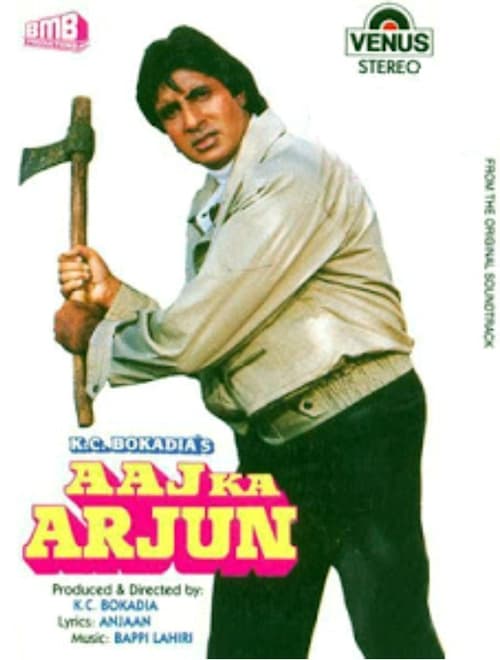
Aaj Ka Arjun
1990
No user ratings available yet
Representation score: 2.7 out of 10

Representation Score
Fair
1994
Not RatedDirector
Mehul Kumar
Runtime
159 minutes
Average Rating
No ratings yetNew Showbiz Analysis
Krantiveer is a high-stakes drama that focuses on systemic critique rather than identity-based representation. It effectively highlights the conflict between individuals and oppressive systems. However, the film relies on traditional social archetypes, reinforcing hyper-masculinity and lacking meaningful roles for women or diverse identity groups. This reflects the era in which it was made. Ultimately, the film's impact stems from its portrayal of individuals as disruptors of oppressive structures, even while upholding conventional gender and social hierarchies.
Category Breakdown
The film does not include any LGBTQ+ characters or explore non-straight relationships. Romantic storylines follow typical heterosexual structures without any deeper exploration of queer identities.
Gender roles adhere to 1990s commercial standards, emphasizing a hyper-masculine lead character. Megha's role as a journalist supports the male protagonist's journey, but she does not have much independent ability to act.
The cast reflects the local cultural context, focusing on regional identity and economic struggles. It does not blend multiple ethnic backgrounds.
The story criticizes corrupt Western-style institutions and capitalist greed. Vigilantism is shown as a necessary response to systemic failures and the exploitation of workers.
The film does not offer a nuanced depiction of physical or neurodivergent disabilities. Vulnerable characters mainly serve as emotional stakes for the protagonist without independent ability to act.
Present on Screen
Limited or Absent
Official Synopsis
Lack-lustred and alcoholic Pratap Narayan Tilak is given a rude awakening when he meets with journalist Megha Dixit, and decides to instill some sense of justice and fair play within his community, and get them to assertively defend their rights and freedom. He is met with strong resistance, both from within his very own community, the police, and some very powerful and influential politicians. Unable to bear the injustice, and frustrated at his community to act proactively, Pratap decides to take the law into his own hands, resulting in chaos, violence, and uncertainty for everyone, and a path to his own grave.
1990

2001

2016
2015
1990
2013
2018
1989
No reviews yet. Be the first to share your thoughts on this movie!
Use the rating form above to leave a star rating and optional review.