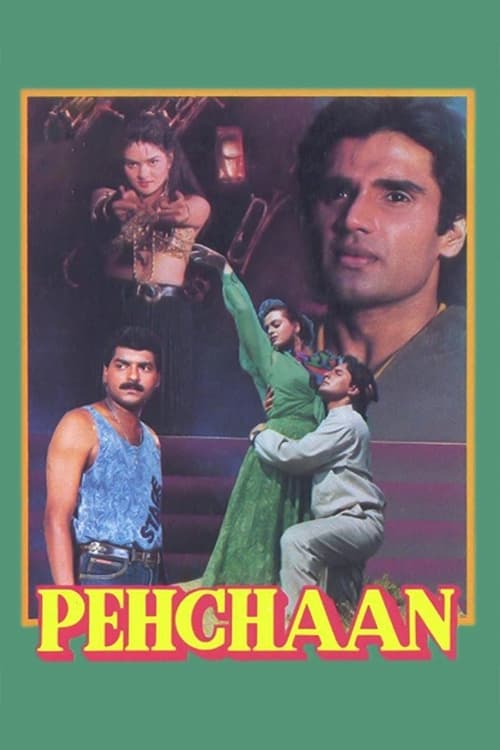
Pehchaan
1993
No user ratings available yet
Representation score: 1.8 out of 10
Representation Score
Limited
1997
Director
Anil Mattoo
Runtime
145 minutes
Average Rating
No ratings yetNew Showbiz Analysis
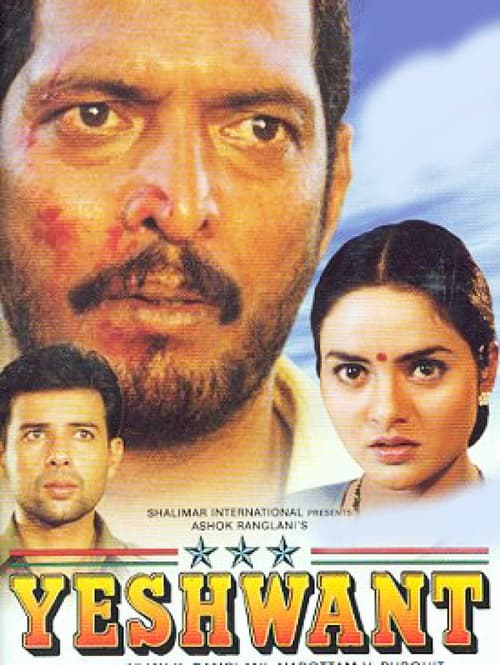
Yeshwant is a typical 1990s crime drama that emphasizes traditional storylines over complex representations of identity. While it offers depth through its female lead's resilience, the story remains tied to conventional clichés. The film's strength lies in its character-driven conflict, particularly the wife's struggle against systemic corruption. However, it lacks diversity in identity and relies on predictable narrative devices to advance the plot. Ultimately, the film operates as a straightforward hero's journey. It fails to provide progressive representation or delve into complex systemic critiques.
Category Breakdown
The story focuses on a traditional heterosexual marriage between Yeshwant and Ragini. There are no characters with non-binary gender identities or LGBTQ+ identities present in the narrative.
Ragini shows strong resilience by resisting bribery and intimidation from the antagonist. However, the plot relies on infidelity clichés to create tension, which often benefits the male protagonist's storyline.
The film sets its story in a South Asian cultural context through character names and settings. It highlights internal systemic corruption within a largely homogeneous ethnic group.
The narrative follows a conventional moral framework of good versus evil. It critiques individual corruption within the police force without addressing broader systemic issues.
The provided narrative does not include any characters with visible or invisible disabilities.
Present on Screen
Limited or Absent
Official Synopsis
After arresting a drug dealer during an undercover operation, police officer Yeshwant Lohar is framed for murder and imprisoned by his corrupt supervisor, Salim Shaikh, who is involved in distributing narcotics. Determined to prove her husband's innocence, wife Ragini resists Salim's attempts to intimidate or bribe her. Salim then releases false photos of Ragini having an affair with police officer Atul, shaking Yeshwant's faith in his wife.
1993

2019
2001
2000
1997
2004

2001
1990
No reviews yet. Be the first to share your thoughts on this movie!
Use the rating form above to leave a star rating and optional review.