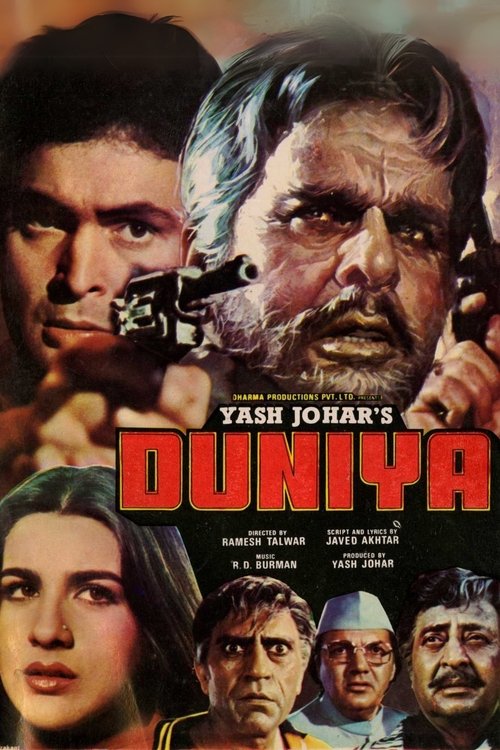
Duniya
1984
No user ratings available yet
Representation score: 3.7 out of 10
Representation Score
Limited
1995
Director
Bharat Rangachary
Runtime
147 minutes
Average Rating
No ratings yetNew Showbiz Analysis
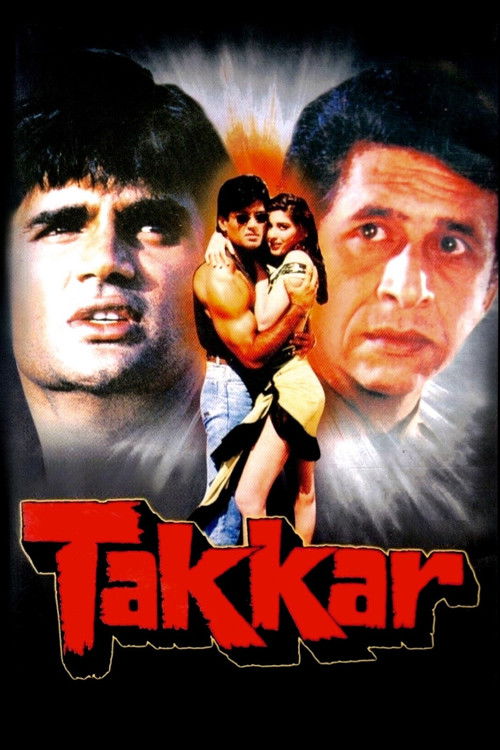
Takkar is a typical mid-90s action-drama that emphasizes masculine ability to act and genre clichés. The story revolves around a convict's transformation into a lawyer to seek justice against a corrupt official. While the film offers a critique of state corruption, it remains rooted in traditional storytelling. It lacks the layered exploration of identity and social issues found in more diverse contemporary works. Ultimately, the film operates as a conventional piece of commercial cinema, focusing on individual heroism rather than complex social or identity-based exploration.
Category Breakdown
The film adheres to traditional structures that assume everyone is straight or cisgender. It does not include characters with diverse gender or sexual identities or challenge these assumptions.
The story focuses on a male character's journey of vengeance and legal battles. Women in the film mainly serve as romantic interests or emotional triggers for the male protagonist.
As an Indian production, the film showcases South Asian representation. However, it does not delve into the complexities of caste or ethnic hierarchies.
The storyline criticizes systemic corruption through a corrupt police officer. However, the themes of revenge and honor align with traditional moral frameworks.
There are no characters with physical, sensory, or neurodivergent disabilities in the narrative.
Present on Screen
Limited or Absent
Official Synopsis
A convict studies law in prison and becomes a lawyer to seek revenge against the corrupt police officer who framed him on the very day of his marriage.
1984
1982
1993
1993
1990

2004
1985
1995
No reviews yet. Be the first to share your thoughts on this movie!
Use the rating form above to leave a star rating and optional review.