
The Tinder Box
1959
No user ratings available yet
Diversity score: 2.4 out of 10

1956
Director
Helmut Spieß
Runtime
83 minutes
Average Rating
No ratings yetSynopsis
When Prince Vain got his shirt fixed, he proclaims that he had slain two lizards in front of the tailor's house - "two in one strike". When the tailor swats seven flies at once, he sows himself a banner saying "seven in one strike", and together with his bird he starts a journey into the world to pronounce his deed.
Overall Score
Limited
Category Breakdown
LGBTQ+ Representation
The film follows a traditional folkloric structure typical of 1956 European cinema. There is no evidence of non-cisnormative identities or critiques of heteronormativity within the narrative.
Gender Representation
The story centers on a male protagonist who drives the plot through his own agency. The framework reinforces traditional gender roles and patriarchal structures common to mid-century fairy tales.
Racial & Ethnic Diversity
As a German production based on Germanic folklore, the film reflects a homogeneous cultural landscape. The setting appears localized and lacks indications of a diverse or non-Anglo-Saxon cast.
Religious & Cultural Diversity
The narrative emphasizes singular moralities and the triumph of the individual. It lacks any indicators of secular or anti-Western institutional critiques, adhering to traditional moral clarity.
Disability Representation
The film provides no mention of characters with visible or invisible disabilities. Consequently, there is no evidence regarding the representation of disability or related tropes.
Strengths
Areas for Improvement
AI Analysis
Helmut Spieß’s adaptation of the Brothers Grimm tale is a quintessential mid-century European fantasy. It relies on the 'clever underdog' archetype, focusing on a protagonist who uses wit to navigate a mythic world. The film adheres strictly to the social and narrative hierarchies of its era. It presents a conventional hero's journey that lacks intersectional complexity or the subversion of established cultural norms. Ultimately, the work functions as a traditional piece of family entertainment, mirroring the homogeneous cultural landscape of 1950s Germany.
1959
1964
1957
1965
1979
1967
1978
1975

1968
1953
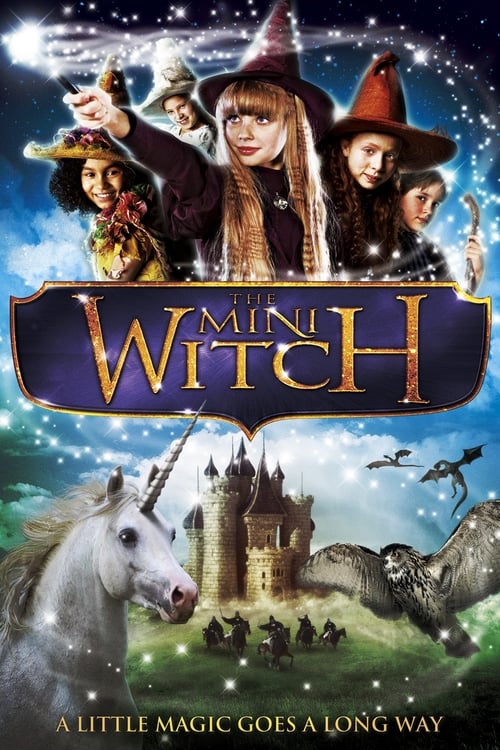
2010
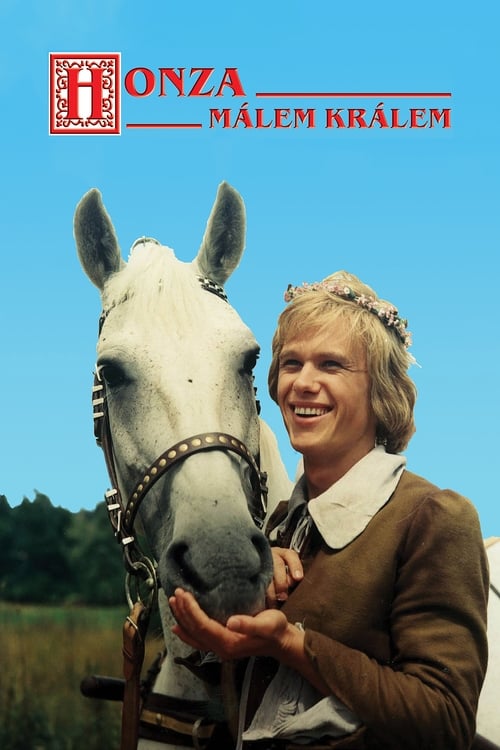
1977
No reviews yet. Be the first to share your thoughts on this movie!
Use the rating form above to leave a star rating and optional review.