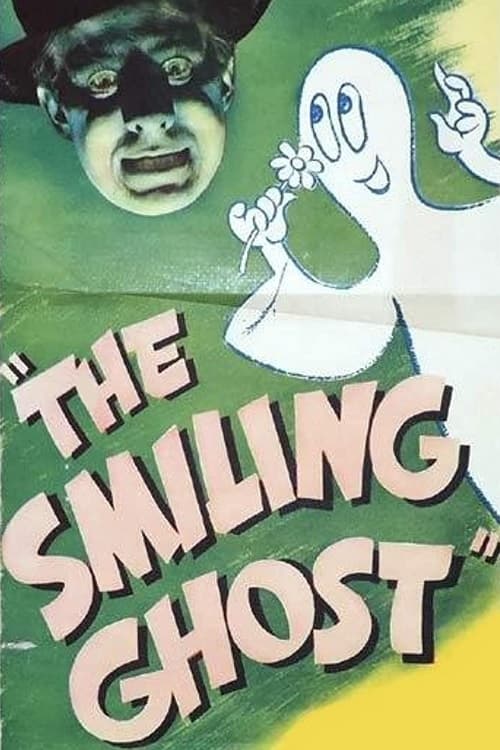
The Smiling Ghost
1941
No user ratings available yet
Representation score: 0.4 out of 10
Representation Score
Limited
1943
NRDirector
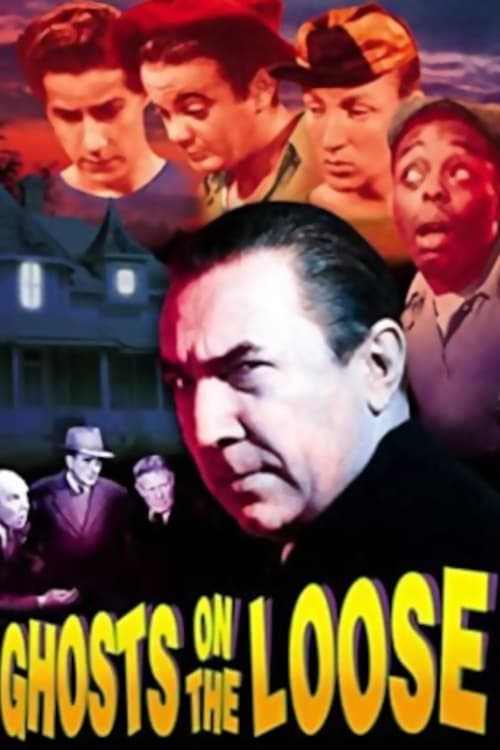
William Beaudine
Runtime
67 minutes
Average Rating
No ratings yetNew Showbiz Analysis
Ghosts on the Loose operates within the standard mid-century cinematic framework, emphasizing traditional hierarchies and conventional social roles centered around a homogeneous, male-driven ensemble. While the film offers a glimpse into mid-century working-class urban life through its irreverent protagonists, it lacks the intention to challenge systemic power structures. The focus remains on populist, genre-standard entertainment rather than cultural subversion. Ultimately, the film provides limited characters who reflect more than one aspect of diversity, relying instead on established clichés of the Bowery Boys era.
Category Breakdown
The film follows strict 1940s social norms and does not include any queer subtext, non-assuming gender matches what was assigned at birth identities, or same-sex intimacy.
Male characters are the active protagonists driving the plot, while women are confined to supporting, reactive roles within domestic settings, reinforcing traditional gender roles.
The cast is predominantly homogeneous, representing a specific urban, working-class demographic. There is no evidence of significant racial blending or color-blind casting.
The narrative focuses on the struggles and irreverent behavior of working-class urban residents, providing a comedic contrast to middle-class morality.
There is no representation of physical or neurodivergent disabilities in the character arcs. Physical clumsiness is used for slapstick comedy rather than meaningful portrayal.
Present on Screen
Limited or Absent
Official Synopsis
The East Side Kids try to fix up a house for newlyweds, but find the place next door "haunted" by mysterious men.
1941
1937

1946
1941
1951
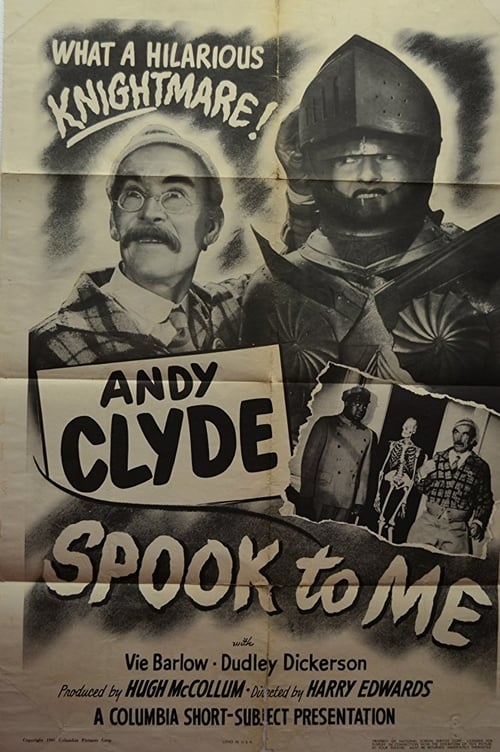
1945
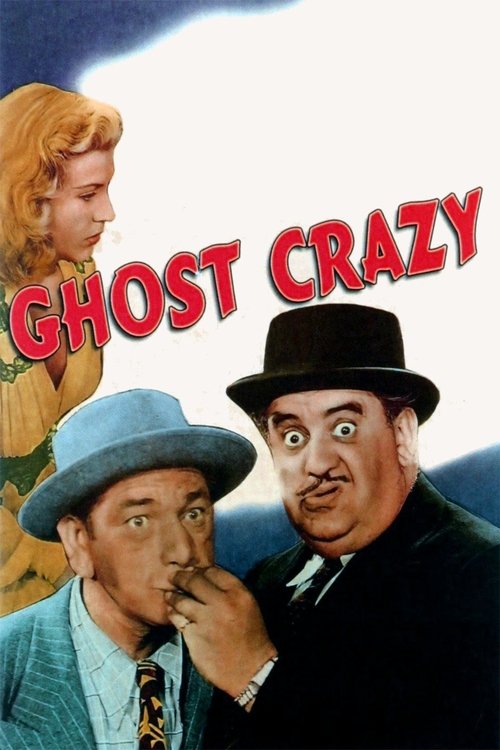
1944
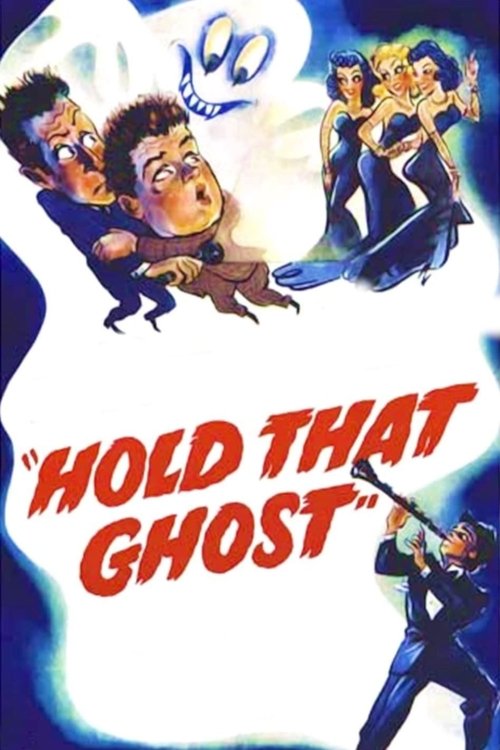
1941
No reviews yet. Be the first to share your thoughts on this movie!
Use the rating form above to leave a star rating and optional review.