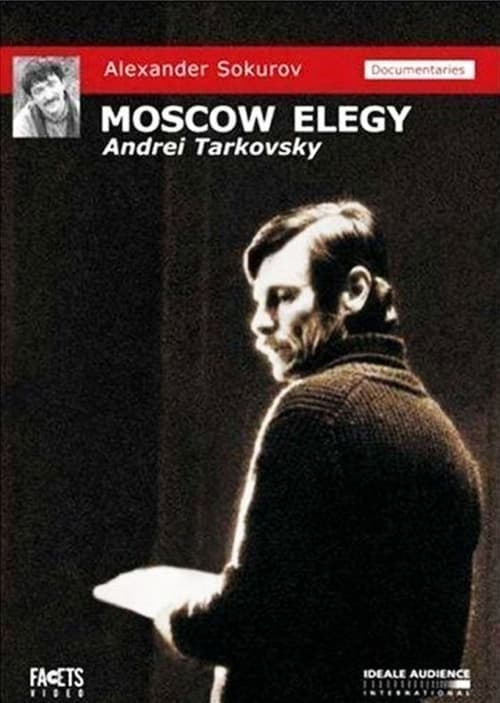
Moscow Elegy
1987
No user ratings available yet
Diversity score: 4.4 out of 10
No Poster Available
1979
Director
Aleksandr Sokurov
Runtime
11 minutes
Average Rating
No ratings yetSynopsis
As with so many early films by Sokurov, this film has two dates: the first is the date of its creation (the film was then banned), the second is the date of the final edition and legal public screening. The film consists of German and Soviet archive footage of the World War II — to be exact, from the end of the war. An attempt to make a large–scale documentary on this subject had been undertaken in the Soviet cinema of the 1960s: the film — “Ordinary Fascism” — by the outstanding Soviet film–maker Mikhail Romm had become a classic retrospective investigation of fascism. But Sokurov uses the expressive power of the documentary image in an absolutely different way. He does not amass materials for a large–scale picture of Nazi crimes.
Overall Score
Fair
Category Breakdown
LGBTQ+ Representation
The film lacks contemporary character arcs or explicit depictions of LGBTQ+ identities. As a documentary composed of WWII archival footage, it focuses on historical documentation rather than narrative character development.
Gender Representation
Reliance on military and political archives reflects mid-20th-century gendered hierarchies. The film lacks the narrative agency or character-driven subversion needed for a higher score, as subjects are historical figures.
Racial & Ethnic Diversity
The film utilizes German and Soviet archives to capture the conflict's scale. It avoids Western-centric whitewashing by centering the Soviet perspective, though it remains bound by archival demographics.
Religious & Cultural Diversity
Sokurov embraces moral relativism and subjective truth over state-sanctioned morality. By deconstructing heroic narratives, the film challenges traditional institutional storytelling through a complex, non-linear understanding of power.
Disability Representation
There is no evidence within the archival context of intentional characterization regarding neurodivergence or physical disability as a central narrative theme.
Strengths
Areas for Improvement
AI Analysis
Sonata for Hitler is an intellectual interrogation of history that eschews traditional documentary structures. Rather than a didactic investigation of Nazi crimes, Sokurov uses archival imagery to explore the atmospheric complexities of the Second World War's end. The film's strength lies in its progressive narrative architecture. By rejecting monolithic, heroic frameworks, it offers a sophisticated deconstruction of how historical truth is constructed and consumed. However, the work is limited by its medium. Because it relies on mid-century military archives, it cannot provide contemporary identity-based representation or character-driven subversion of gender and social hierarchies.
1987

1998
2018
1943

2014
2014
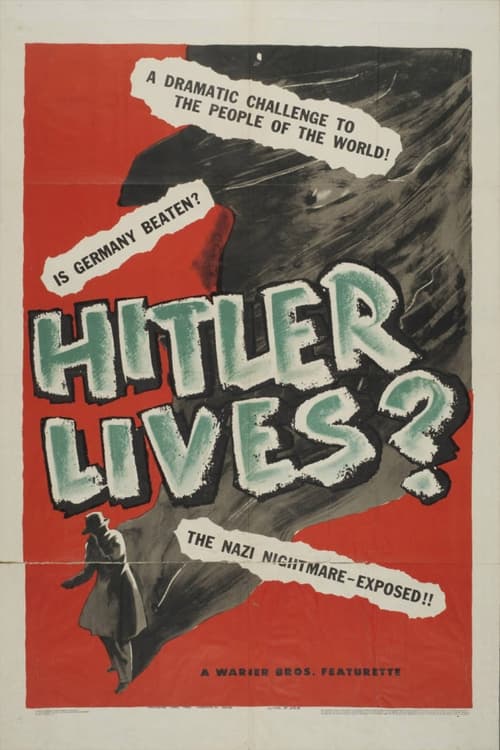
1945
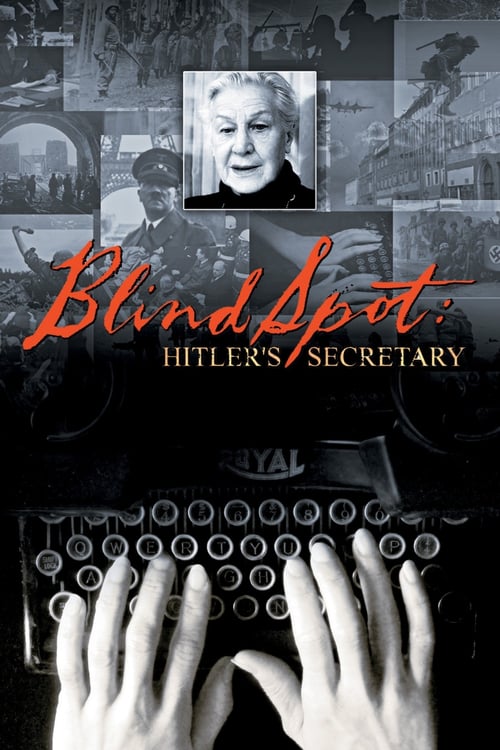
2002
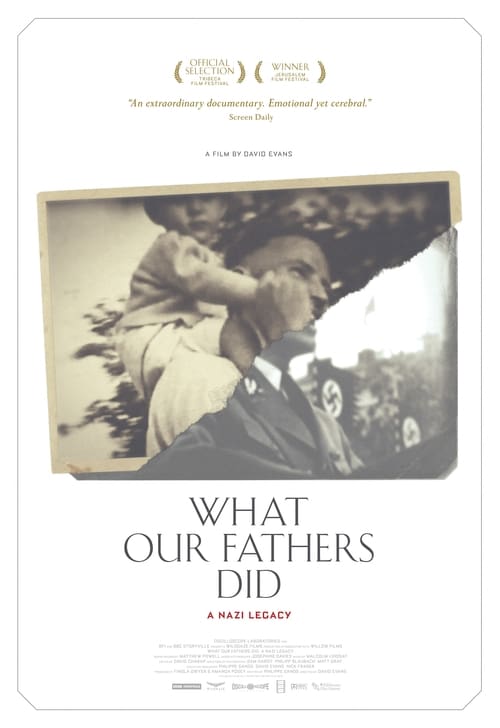
2015
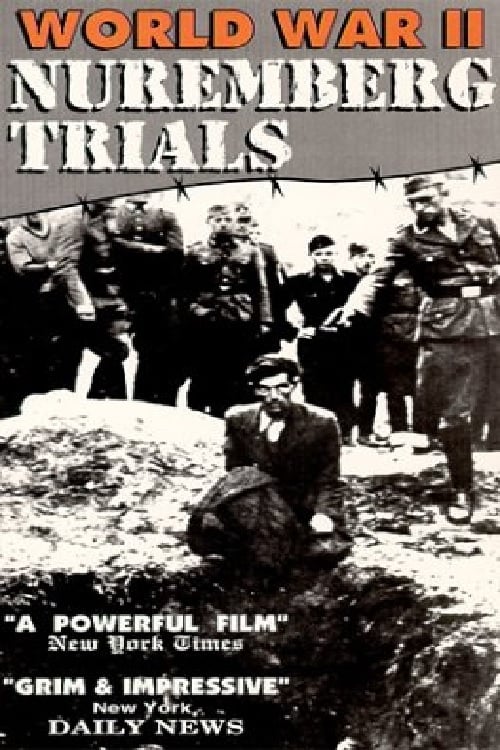
1946
1984
2022
No reviews yet. Be the first to share your thoughts on this movie!
Use the rating form above to leave a star rating and optional review.