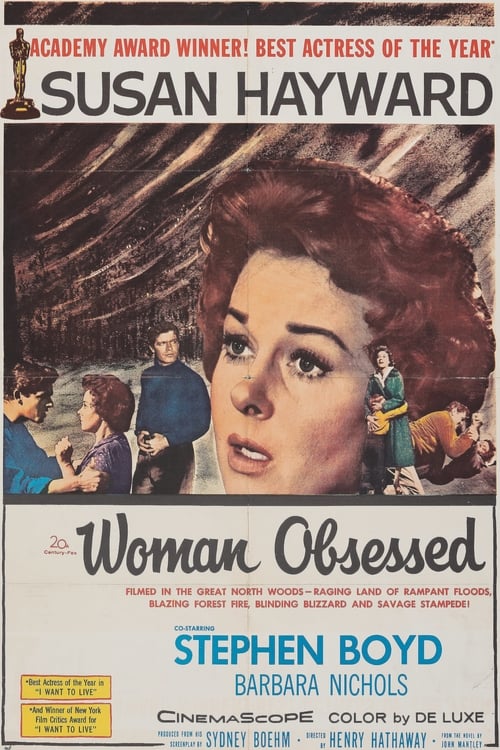
Woman Obsessed
1959
No user ratings available yet
Diversity score: 1.8 out of 10

1965
NRDirector
Walter Grauman
Runtime
101 minutes
Average Rating
No ratings yetSynopsis
Grace Caldwell, a young Pennsylvania newspaper heiress living with her widowed mother, has trouble restraining herself when it comes to the amorous attentions of young men. As word starts to spread about her behavior, Grace becomes a major source of heartache for her mother and a big source of concern to her brother.
Overall Score
Limited
Category Breakdown
LGBTQ+ Representation
The story focuses on romantic interests between the female lead and young men. There is no evidence of non-heteronormative identities or LGBTQ+ characters within the narrative.
Gender Representation
While the film centers on a female protagonist, her agency is framed by the social consequences of her actions. The conflict emphasizes her impact on her mother and the oversight of her brother.
Racial & Ethnic Diversity
The setting involves a Pennsylvania heiress and her family. The narrative context suggests a conventional, likely Anglo-Saxon depiction of the American upper class typical of the 1960s.
Religious & Cultural Diversity
The film operates within a traditional Western moral framework. It prioritizes social cohesion and the maintenance of family reputation over any anti-institutional or diverse cultural perspectives.
Disability Representation
The synopsis provides no information regarding characters with visible or invisible disabilities.
Strengths
Areas for Improvement
AI Analysis
A Rage to Live is a mid-1960s domestic drama that adheres strictly to the social and moral hierarchies of its era. The narrative focuses on the tension between individual impulse and the preservation of a family's social standing. The film's structure reinforces traditional patriarchal oversight. The protagonist's behavior is scrutinized through its effect on her family's reputation rather than through a lens of personal liberation or diverse identity. Ultimately, the work serves as a study of conventional social norms, offering little to no representation of marginalized groups or non-traditional lifestyles.
1959

1946
1966

1961

1961
1953

1959

1959
1962
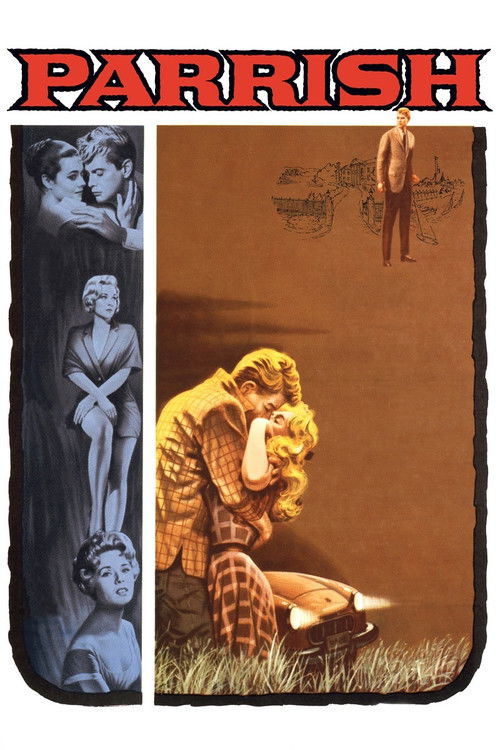
1961
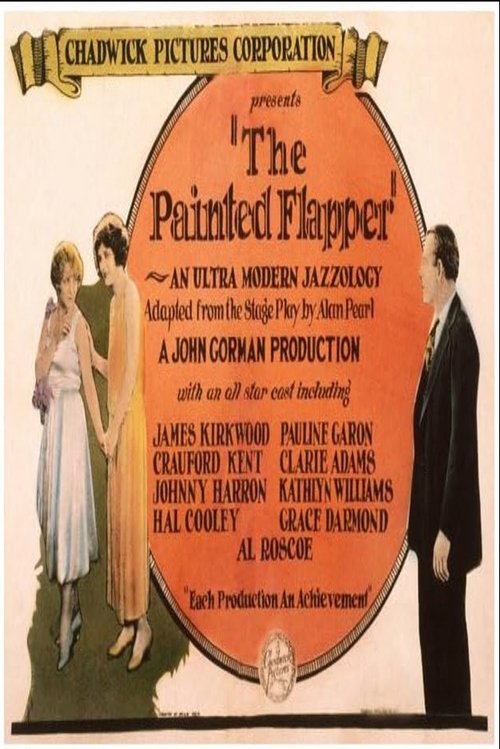
1924

1952
No reviews yet. Be the first to share your thoughts on this movie!
Use the rating form above to leave a star rating and optional review.