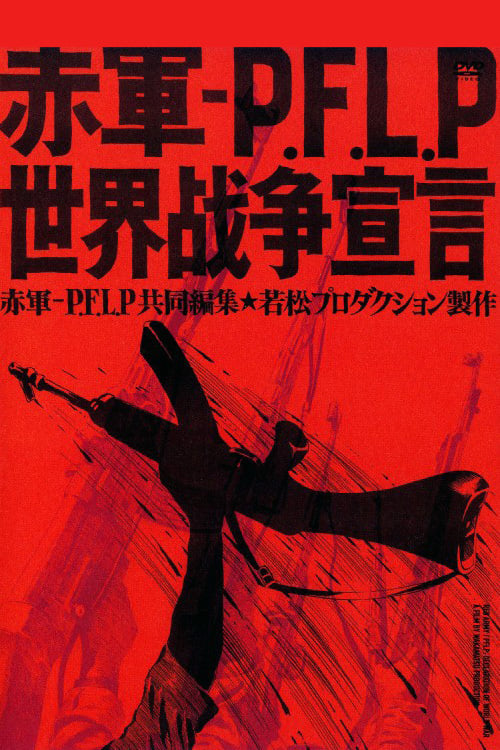
Red Army/PFLP: Declaration of World War
1971
No user ratings available yet
Representation score: 4.9 out of 10
Representation Score
Good
2011
Director
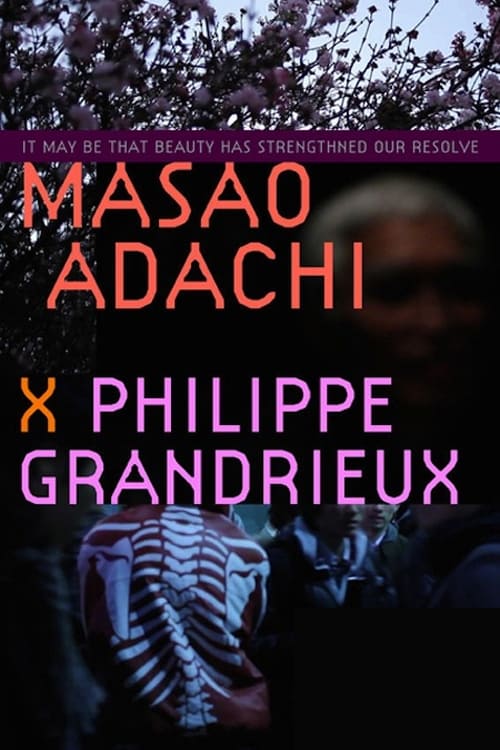
Philippe Grandrieux
Runtime
73 minutes
Average Rating
No ratings yetNew Showbiz Analysis
The film succeeds as a specialized study of radical political history and avant-garde cinema. It effectively challenges Western cinematic dominance by centering a Japanese intellectual and his involvement in global revolutionary movements. While the documentary provides deep cultural and racial insights, it lacks explicit representation in other demographic areas. The focus remains on ideological complexity and the rejection of traditional social structures rather than diverse character archetypes. Ultimately, the work functions as a disruption of conventional hierarchies, prioritizing the intersection of art and militant politics over mainstream narrative norms.
Category Breakdown
The film explores themes of non-normative sexuality through its subject's work in the sexploitation genre, but it does not explicitly depict LGBTQ+ identities on screen.
The documentary challenges traditional masculinity by focusing on a male subject who rejected domestic life and the nuclear family, emphasizing his political volatility and artistic transgression.
This film offers a crucial non-Western perspective by centering a Japanese filmmaker, challenging Western-centric film histories and highlighting the ability to act of Eastern radical intellectuals.
The film excels by examining anti-capitalist sentiments and the dismantling of state authority. It prioritizes systemic critiques and disruptions of established institutional social orders.
There is no discernible evidence regarding the portrayal of physical or neurodivergent disabilities within this work.
Present on Screen
Limited or Absent
Official Synopsis
The first in a planned series of films about radical filmmakers by film critic Nicole Brenez and filmmaker Philippe Grandrieux, It May Be That Beauty Has Strengthened Our Resolve is a portrait of Masao Adachi, who emerged during the Japanese New Wave of the 1960s as a screenwriter for Nagisa Oshima and Koji Wakamatsu, and directed a series of avant-garde films that grafted radical politics to the sexploitation genre. A 1971 visit to a Popular Front for the Liberation of Palestine (PFLP) training camp while on the way back from Cannes resulted in Adachi's most infamous film, the agit-prop documentary Red Army/PFLP: Declaration of World War, which he co-directed with Wakamatsu. Soon after, Adachi joined a splinter cell of the Japanese Red Army in Lebanon, where he stayed from 1974 until he was deported to Japan in 1997 to serve time for passport violations.
1971
2012
2011
1976
1971
2011
2002
2012
No reviews yet. Be the first to share your thoughts on this movie!
Use the rating form above to leave a star rating and optional review.