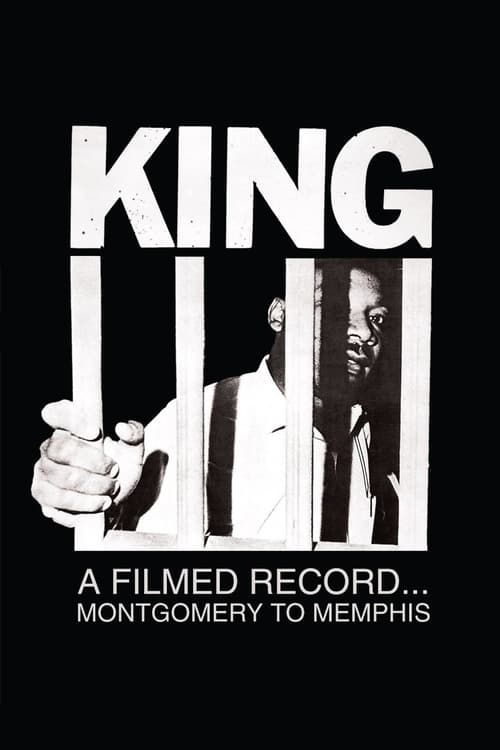
King: A Filmed Record... Montgomery to Memphis
1970
No user ratings available yet
Representation score: 3.9 out of 10
Representation Score
Good
1968
Director
Horace Ové
Runtime
46 minutes
Average Rating
No ratings yetNew Showbiz Analysis
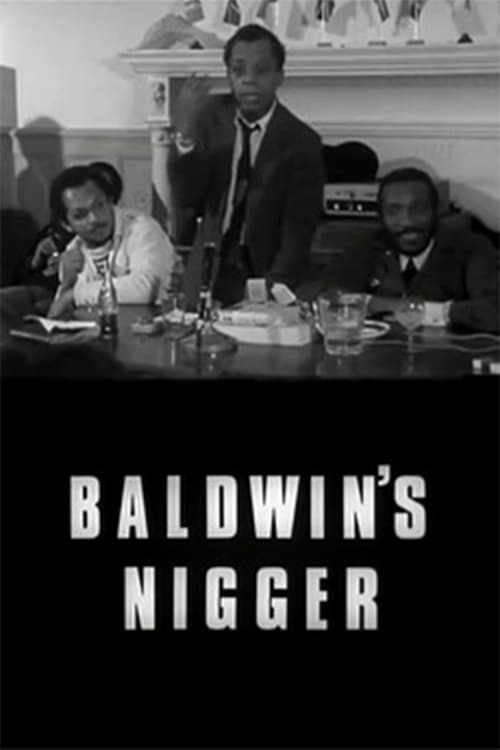
Horace Ové’s documentary is a landmark piece of Black British cinema that successfully disrupts the colonial gaze. By centering James Baldwin and Dick Gregory, the film moves Black intellectuals from the periphery to the absolute center of the narrative structure. The work excels at deconstructing Western hegemony and racial hierarchies. It provides a vital platform for voices that were historically sidelined in the 1960s British cinematic landscape, using high-level dialogue to challenge systemic power dynamics. While the film is a triumph of racial and cultural ability to act, it remains a narrow intellectual exchange between men. It lacks explicit representation of gender diversity or LGBTQ+ identities, focusing instead on the sociopolitical mechanics of the Civil Rights Movement.
Category Breakdown
The film focuses on sociopolitical discussions rather than explicit depictions of sexuality. While Baldwin's intellectual framework often intersects with queer theory, no specific LGBTQ+ intimacy is shown.
The documentary centers a high-level intellectual exchange between influential male figures. It indirectly challenges 1960s patriarchal structures by prioritizing intellectual engagement and dismantling traditional power hierarchies.
This film is an exceptional example of racial ability to act. By centering Baldwin and Gregory, it shifts focus away from white-dominated media and positions Black intellectuals as primary drivers of discourse.
The documentary engages deeply with systemic critiques of Western institutional authority. It highlights the friction between Western societal structures and the lived experiences of the diaspora through political mobilization.
There is no discernible focus on physical or neurodivergent representation within this specific documentary.
Present on Screen
Limited or Absent
Official Synopsis
James Baldwin and Dick Gregory discuss the Civil Rights Movement in 1960s Great Britain.
1970
2017
1989
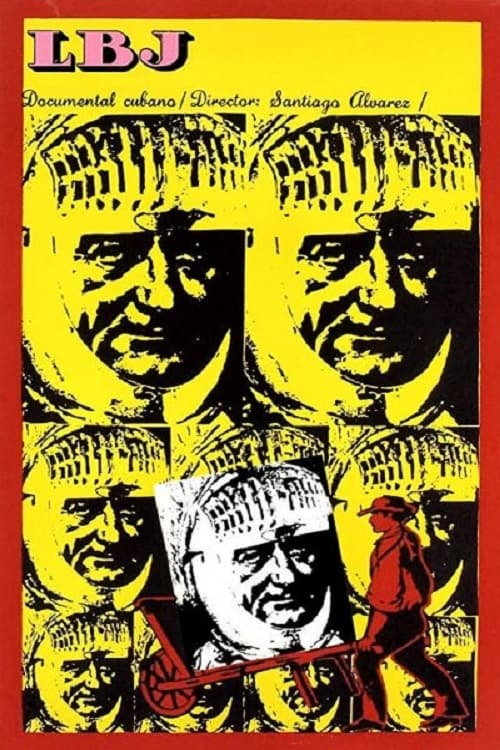
1968
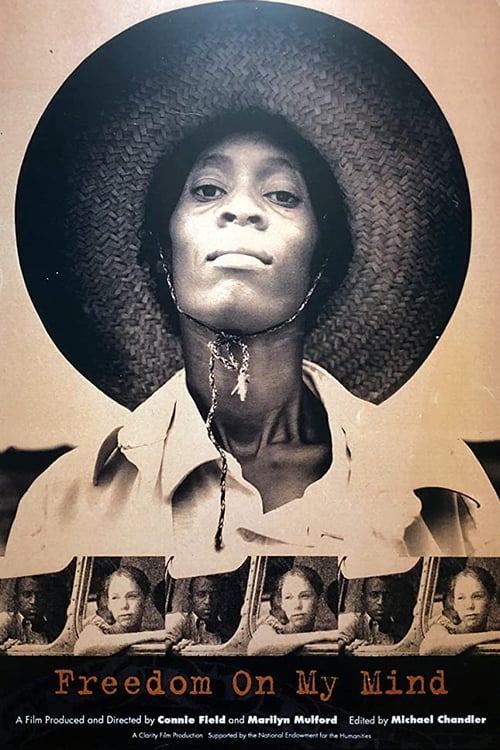
1994
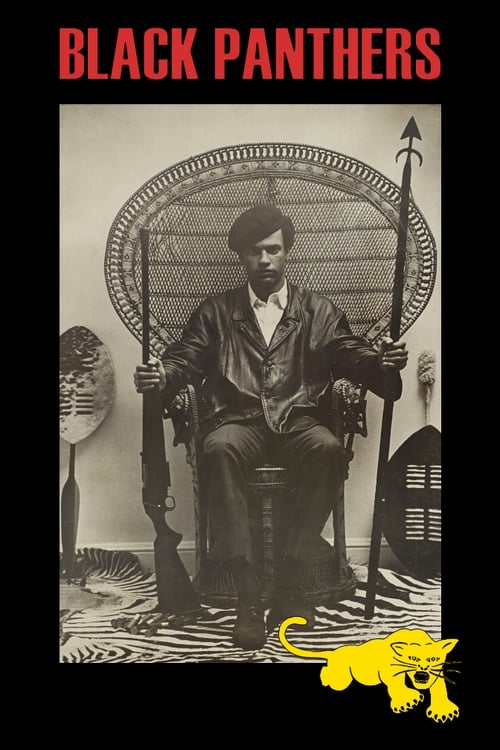
1968
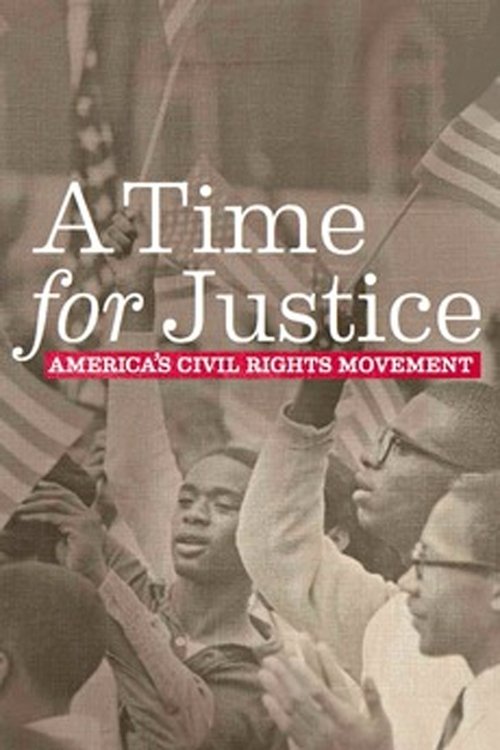
1994
1964
No reviews yet. Be the first to share your thoughts on this movie!
Use the rating form above to leave a star rating and optional review.