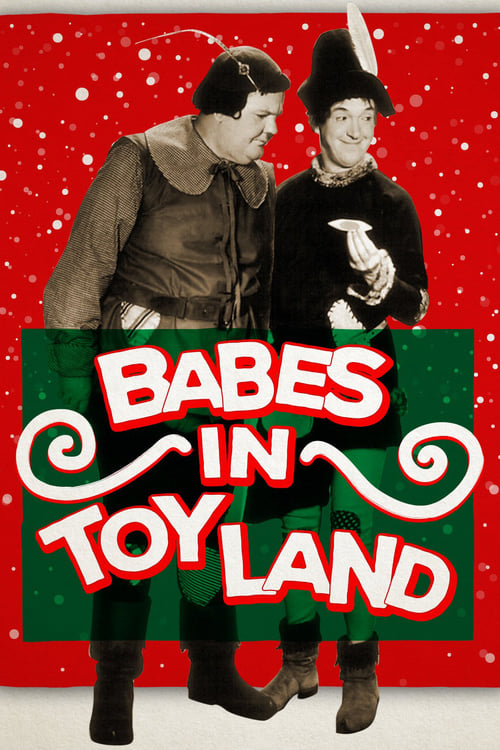
Babes in Toyland
1934
No user ratings available yet
Representation score: 0.6 out of 10
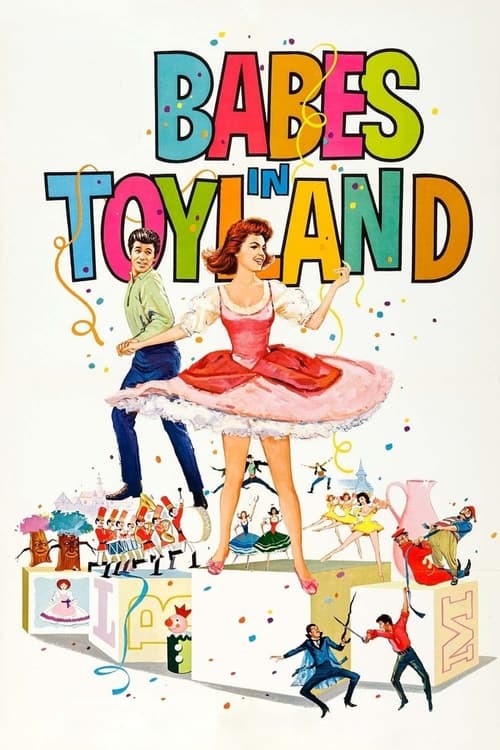
Representation Score
Minimal
1961
GDirector
Jack Donohue, Austen Jewell
Runtime
106 minutes
Average Rating
No ratings yetNew Showbiz Analysis
Babes in Toyland is a quintessential mid-century musical that prioritizes conventional storytelling and clear moral dichotomies. The narrative is designed to uphold established social hierarchies rather than challenge them, resulting in a very low diversity score. The film relies on a homogeneous cast and a binary view of morality. It functions as a cultural artifact of its time, emphasizing traditional Western virtues and predictable social structures. Because the film lacks depth in representing multiple aspects of identity and avoids any disruption of traditional norms, it offers little representation for underrepresented identities or diverse perspectives.
Category Breakdown
The film follows a strictly heterosexual structure centered on the romance between Mary Contrary and Tom Piper. There is no presence of queer subtext or non-cisgender identities.
Mary Contrary is a central figure, but her role remains tied to traditional domestic ideals and her romantic relationship. Masculinity is depicted through standard heroic and villainous archetypes.
The production reflects the demographic homogeneity of its era, featuring a primarily white cast. The setting functions as a culturally insulated space without diverse ethnic perspectives.
This morality play reinforces traditional Western values and the sanctity of marriage. It celebrates a stable social order where good triumphs over evil without any moral relativism.
The characters are defined by archetypal roles like the hero or the villain. There are no visible or invisible disabilities portrayed within the primary cast or arcs.
Present on Screen
Limited or Absent
Official Synopsis
All roads lead to magical, merry Toyland as Mary Contrary and Tom Piper prepare for their wedding! But villainous Barnaby wants Mary for himself, so he kidnaps Tom, setting off a series of comic chases, searches, and double-crosses! The "March Of The Wooden Soldiers" helps put Barnaby in his place, and ensures a "happily ever after" for Tom and Mary!
1934
1971
1958
1953
1969
1986
1977

1970
No reviews yet. Be the first to share your thoughts on this movie!
Use the rating form above to leave a star rating and optional review.